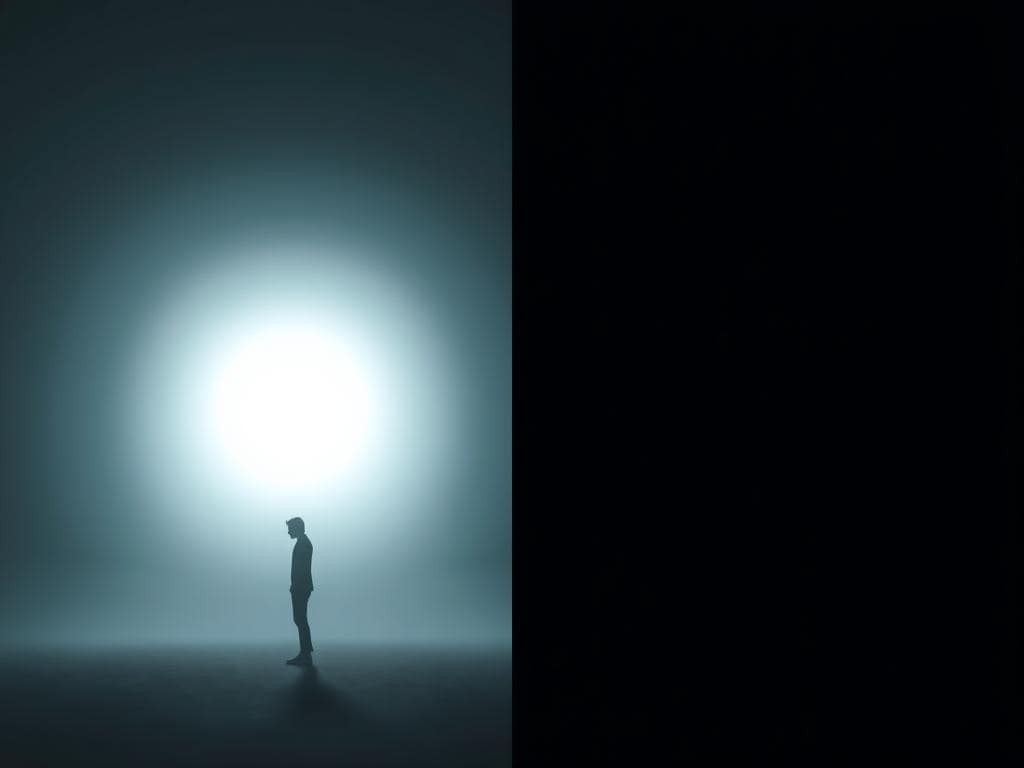

Did you know “high key” and “low key” photography started in the early 1900s? These methods have grown a lot and are key to dramatic photography. They help photographers make images that feel deep and emotional. Light and shadow are used in special ways to make ordinary scenes look amazing.
High-key photos are bright and have few shadows. They have most of their tones on the right side of the histogram. Low-key photos, on the other hand, are dark and focus on shadows. They have most of their tones on the left side of the histogram. Using these techniques right can make your photos stand out with great drama.
Want to get better at these styles? You’re in the right spot. This tutorial will cover the basics of high-key and low-key photography. You’ll learn practical tips and techniques to use today. We’ll talk about lighting, exposure, and how to tell stories with shadows. You’ll learn how to improve your photography skills.
Key Takeaways
- High-key and low-key photography were first conceptualized in the early 20th century.
- High-key images are characterized by predominantly light tones and minimal shadows.
- Low-key images mainly feature darker tonal values, adding to their dramatic effect.
- These techniques are essential for creating dramatic photography full of emotional depth.
- Mastering these styles requires a deep understanding of lighting, exposure, and storytelling.
Understanding High-Key & Low-Key Photography
High-key and low-key photography use light in unique ways. High-key images are bright, feeling light and hopeful. Low-key photos are dark, creating a mysterious and intense mood. Exploring these styles helps us see how light can change the feel of a photo.
Definitions and Characteristics
In photography, ‘key’ means the main light or dark areas. High-key photos use lots of white and light, with little black. This makes the image feel bright and airy.
To get this look, studios use many lights. They also prefer shooting on overcast days. The goal is to make the shadows brighter.
Low-key photos, on the other hand, use lots of dark and shadows. They often have just one light source. Photographers might use black velvet for a deeper dark look.
Shooting at night or under artificial light works best for low-key. Techniques like Rembrandt lighting add highlights, making the image more dramatic.
Historical Context
High-key and low-key photography started in the early 20th century. They first appeared in film, then in photography. Knowing their history helps us understand their use today, thanks to new tech and trends.
High-key is popular in corporate and wedding photos. Low-key is great for dramatic shots and telling stories. Learning these styles helps us make lasting images.
Techniques to Achieve High-Key Shots
To get high-key images, you need to plan and execute well. This means making sure the scene is evenly lit, with no shadows. You want a bright, clean look. Think about your lighting and how to keep details sharp without overexposing.
Lighting Setup
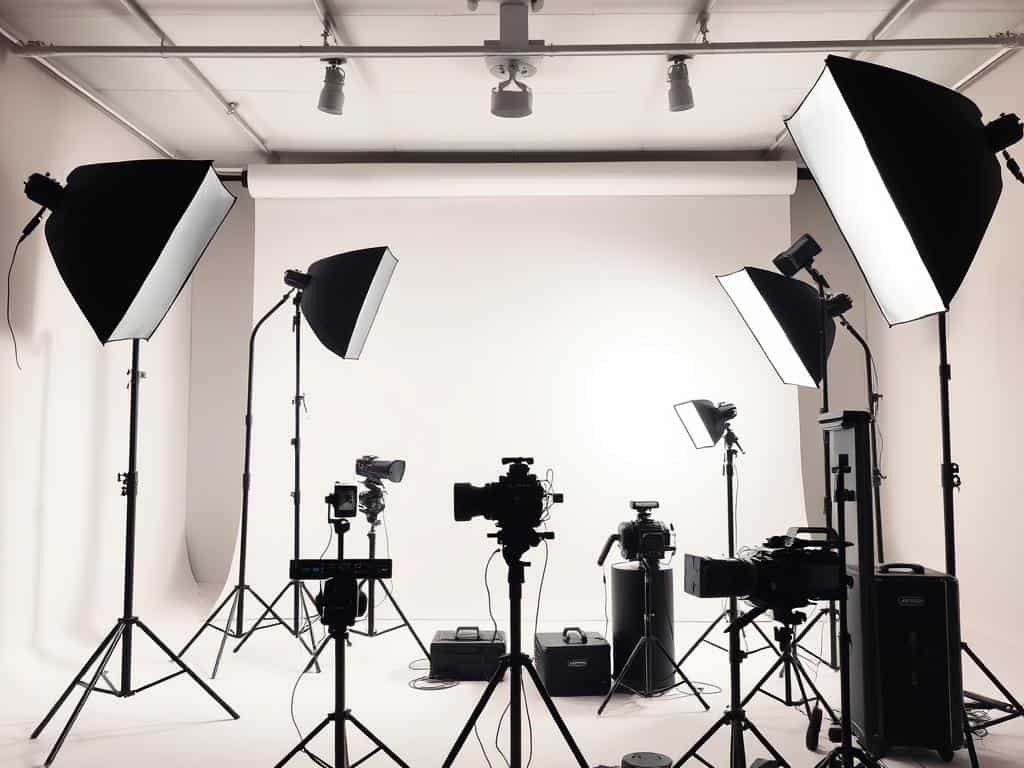
Good lighting is key in high-key photography. You might use many lights or reflectors to fill shadows and light everything evenly.
A common setup has four lights: two for the background and two for the subject. The key and fill lights are set to match each other. This makes sure the lighting is balanced, which is vital for high-key shots.
You can also use white walls or natural light instead of studio lights. Place your subject near bright windows but not in direct sunlight. This adds to the effect while keeping the lighting balanced.
Balancing Exposure
Getting the exposure right in high-key photography means adjusting your camera settings. Start with a higher exposure and use the histogram to check the light.
In high-key shots, most of the data is on the right side of the histogram. This shows highlights and lighter areas. It’s important to avoid overexposing to keep details sharp. Try “exposing to the right” to get a balanced image.
Shooting in RAW is best because it keeps more data than JPEGs. This lets you edit more freely, ensuring your image looks great. Also, keep your ISO low to reduce digital noise. This is important for keeping your high-key images looking top-notch.
Low-Key Photography for Dramatic Effect
Low-key photography focuses on shadows and dark colors. It contrasts with bright focal points. Portraits in this style show most data on the left side of the histogram, showing dark tones.
This style is great for boudoir, maternity, and fine art nude photography. Deep shadows highlight the subject’s form.
Lighting Ratios
Lighting ratios are key in low-key photography. They show a big contrast between light and dark. Ratios start at 8:1, making shadows deep and light sources stark.
Light quality is either hard or soft. Hard light is best for sharp shadows and light transitions.
Storytelling with Shadows
Shadows in low-key photos tell stories. They create mystery or drama by controlling what’s seen. Evening light can add to this, using street or shop lights.
This method works well in thriller and horror. Shadows and negative space add to the unease.
Modifiers and Equipment
For low-key photography, you need snoots, barn doors, and honeycombs. They help shape light and shadows. Light should hit at oblique angles for better shadows.
Expose for highlights and let shadows be dark. Use spot metering. Natural light is great, using windows with curtains and doors.
Keep the ISO low to avoid noise.
Conclusion
Mastering photography techniques is key to expressing creativity through images. High-key photography is great for capturing radiant, dreamy scenes, like weddings. It makes subjects look appealing. Low-key photography, with its strong contrast, is perfect for telling emotional stories and adding luxury to your photos.
Knowing how to use these techniques is important. High-key shots need a bit of overexposure. This is done with a wide aperture, slow shutter speed, or high ISO. Low-key shots, on the other hand, use underexposure. This is achieved with a narrow aperture or fast shutter speed to keep shadows detailed.
Post-production is also vital. For high-key images, editing focuses on brightening and keeping skin tones natural. Low-key images need careful adjustments to shadows and highlights. Tools like Adobe Lightroom or Photoshop help achieve the desired look.
Trying out these techniques can make your photos stand out. It boosts your portfolio and keeps your photography fresh. Whether you’re aiming for clarity or depth, mastering these methods will help you grow as a photographer.
