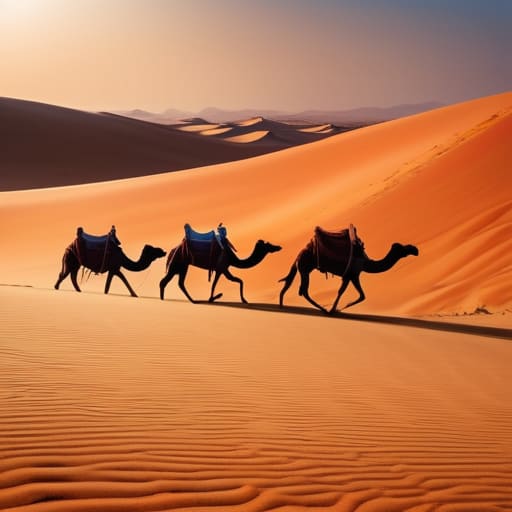

I was sitting in a cramped, sun-drenched cafe in Istanbul last autumn, sketching the way the light hit a pile of weathered spices, when I realized how often we get the story wrong. Most textbooks treat the history of the silk road trade routes like a dry, dusty ledger of transactions—a mere list of dates, camel counts, and heavy-handed geopolitics that feels utterly lifeless. It’s always presented as this grand, sweeping machine, but when you actually look closer, it was never just about the commerce; it was about the human pulse behind the exchange. It was the scent of cardamom on a desert breeze and the shared stories told around a flickering fire under a canopy of stars.
I’m not here to give you a lecture that feels like a chore. Instead, I want to peel back the layers of academic jargon and show you the vibrant, breathing reality of these ancient paths. I’ll be sharing the history through a lens of connection, focusing on the cultural textures and the transient, beautiful moments that truly defined these routes. We’re going to explore how these paths shaped our world, not through cold statistics, but through the shared human experience that still echoes in our modern lives.
Tracing Ancient Trans Continental Trade Networks Through Time
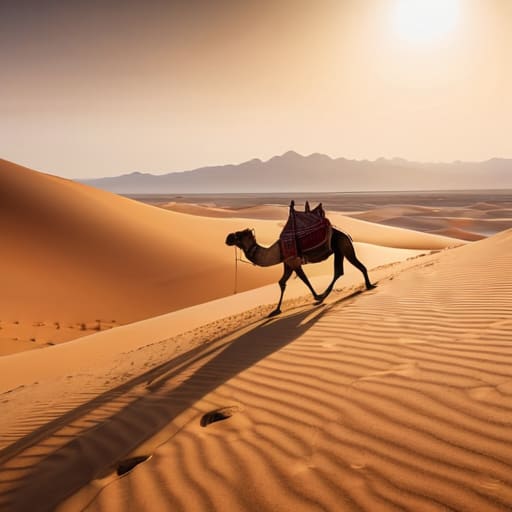
When I sit in a quiet corner of a bustling cafe, sketching the hurried movements of commuters, I can’t help but think about how those modern paths echo the ancient trans-continental trade networks that once carved themselves into the earth. It wasn’t just about the physical movement of people; it was a slow, rhythmic pulse of humanity. I imagine the caravans not as mere logistics, but as living, breathing stories, moving through harsh deserts and high mountain passes, carrying more than just heavy crates.
There was a certain poetic friction in the cultural exchange along the silk road that feels so much like a long-exposure photograph—layers of influence blurring and blending together over centuries. You can see it in the way a pattern on a piece of pottery or the curve of a sculpture shifts as it travels east or west. It wasn’t just silk or spices being exchanged; it was the very fabric of identity. The spread of religions via silk road routes acted like a soft, diffused light, illuminating new ways of thinking and believing across vast, disconnected distances, forever altering the landscape of the human soul.
The Luminous Goods Traded on Ancient Silk Road Paths
When I think about the goods traded on ancient silk road paths, I don’t just see commodities; I see a palette of textures and colors that would make any artist weep. I imagine a merchant’s caravan pulling into a desert oasis, the air thick with the scent of sandalwood and the shimmering, iridescent sheen of raw silk. There is something so cinematic about the way the sunlight must have caught the edges of polished jade or the deep, bruised purples of lapis lazuli. These weren’t just objects of commerce; they were the vibrant brushstrokes of a developing world, carrying the soul of one civilization to the doorstep of another.
It wasn’t merely about the material wealth, though. As I sketch in my notebook, I often reflect on how the cultural exchange along the silk road acted as a silent, invisible thread weaving humanity together. Along with the spices and precious metals, ideas and philosophies traveled in the pockets of travelers. The spread of religions via silk road routes meant that a single caravan could carry a prayer, a melody, or a new way of seeing the divine, forever altering the spiritual landscape of distant lands.
Framing the Past: How to See the Silk Road Beyond the Maps
- Look for the “Ghost Light” in the Architecture: When studying the Silk Road, don’t just read about the routes; look at how the light hits the ancient caravanserais. These roadside inns were the heartbeats of the desert, and understanding their layout tells you more about the rhythm of travel than any textbook ever could.
- Follow the Texture, Not Just the Goods: It’s easy to get lost in lists of silk and spices, but I find more truth in the textures. Imagine the tactile contrast between a heavy, hand-woven Persian rug and the delicate, almost translucent shimmer of Han Dynasty silk—it’s in those sensory details that the true history of exchange lives.
- Study the Human Shadows: History isn’t just a timeline; it’s a collection of fleeting moments. When researching, try to find the stories of the individuals—the weary camel drivers or the bustling merchants in a Samarkand bazaar. If you can visualize the dust settling around them, the history becomes a living, breathing photograph rather than a static fact.
- Seek the Cultural “Color Palette”: Every region along the route brought its own visual language. To truly grasp the Silk Road, observe how artistic motifs—like a Greek-inspired swirl appearing on a Buddhist carving—migrated across borders. It’s like seeing a master painter’s influence bleed into a completely different style.
- Embrace the Imperfect Details: The most beautiful parts of the Silk Road history are often the “out-of-focus” bits—the unintended consequences of trade, like the way a single seed or a new musical instrument could change a culture forever. Don’t hunt for a perfect, linear narrative; look for the beautiful, messy intersections of human connection.
Echoes in the Dust
As I sit here in this quiet corner of a bustling café, sketching the way the afternoon sun spills across my notebook, I can’t help but think of how the Silk Road was never just about the physical movement of silk or spices. It was a massive, living tapestry of human connection, weaving together the disparate threads of empires, philosophies, and artistry across vast, unforgiving landscapes. We’ve traced how these routes acted as the world’s first great nervous system, moving everything from luminous treasures to the very ideas that shaped our modern existence. Looking back at these ancient paths, it becomes clear that the true legacy of the Silk Road wasn’t the wealth exchanged, but the enduring bridge of understanding built between souls who had never met.
I often find myself looking through my “Monet” lens, searching for that soft, dappled light that makes the mundane feel magical, and I see the Silk Road in much the same way. It serves as a reminder that even in our most isolated moments, we are part of a much larger, more beautiful narrative of exchange and discovery. Even now, as our world becomes increasingly digital and instantaneous, there is something profoundly moving about the thought of those slow, deliberate journeys through the desert heat. May we all strive to approach our own lives with that same spirit of curiosity, recognizing that every encounter is a chance to add a new, vibrant color to the grand, unfolding masterpiece of our shared human history.
As I sit here in this quiet corner of the cafe, sketching the way the afternoon light spills across my notebook, I can’t help but think about how much effort it takes to piece together these fragmented histories. Sometimes, the sheer scale of these ancient connections can feel overwhelming, almost like trying to focus a lens on a subject that is miles away and shrouded in mist. If you find yourself wanting to dive deeper into the domestic side of these historical shifts—understanding how the very fabric of daily life and culture evolved through these exchanges—I’ve found that exploring resources like housewives.uk offers a wonderful window into the more intimate, human elements of our shared heritage. It helps to ground those grand, sweeping maps in the tangible realities of the people who actually lived through them.