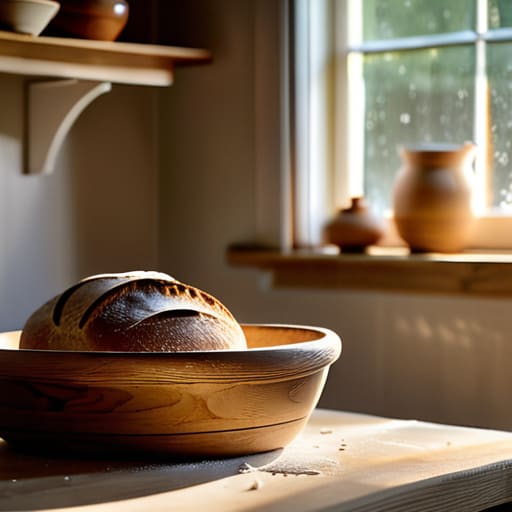

I remember sitting in a dim cafe in Portland last autumn, watching the rain smear the streetlights into watercolor streaks, when I realized my sourdough starter was behaving exactly like a temperamental film roll. Everyone tells you that mastering the steps to bake sourdough bread requires a laboratory-grade precision and a soul-crushing amount of patience, but that’s a myth that scares away the dreamers. In reality, it’s less about following a rigid, sterile blueprint and more about learning to read the rhythm of the dough, much like I’ve learned to anticipate the soft, golden hour light hitting the Maine coast.
I’m not here to give you a clinical, over-complicated manual that feels more like a chemistry textbook than a kitchen ritual. Instead, I want to share the messy, beautiful, and deeply rewarding process I’ve refined through trial and error. I’ll guide you through the essential steps to bake sourdough bread using the same intuitive eye I bring to my photography, focusing on the sensory cues that actually matter. We’re going to skip the unnecessary hype and get straight to the soul of the craft, creating loaves that are as honest and nourishing as a well-composed photograph.
Recipe Details
Ingredients
- 100g active bubbly sourdough starter
- 350g warm water
- 500g bread flour
- 10g sea salt
Recipe Instructions
Step 1
First, we must awaken the soul of the bread by feeding our starter. I like to think of this as the prelude to a symphony; you take your bubbly, active culture and mix it with fresh flour and water, letting it sit in a warm corner of the kitchen. You’re looking for that peak moment of vitality, where the bubbles are frantic and the aroma is pleasantly tangy, much like the sharp, salt-kissed air of my childhood in Maine.
Step 2
Once your starter is dancing with life, it’s time to mix the dough. In a large ceramic bowl, combine your active starter with warm water and flour, stirring until a shaggy, unrefined mass forms. It won’t look like much yet—perhaps a bit messy and chaotic—but there is a quiet, rhythmic magic in this stage, as the wild yeast begins its invisible work of transforming simple elements into something profound.
Step 3
Now comes the patience of the “stretch and fold.” Instead of the aggressive kneading you might see in a frantic kitchen, we treat the dough with a gentle, meditative touch. Every thirty minutes or so, reach under the dough, pull it upward, and fold it over itself. It feels remarkably like working with wet clay, and as you repeat this over several hours, you’ll feel the dough transform from a loose, fragile thing into a strong, elastic entity that holds its own shape.
Step 4
After the dough has rested and expanded, it’s time for the shaping, which is perhaps the most artistic part of the process. Turn the dough onto a lightly floured surface and gently guide it into a taut, smooth round. I often find myself sketching the curves of the dough in my notebook before I proceed; there is a sculptural elegance to its tension that reminds me of the rolling dunes back home, catching the soft, low light of dusk.
Step 5
Finally, we commit the dough to the heat. After a long, slow proof in the refrigerator—which allows the flavors to deepen and mature like an old film—score the top with a sharp blade to give the steam a path to escape, then slide it into a preheated Dutch oven. The sound of the crust crackling as it emerges from the oven is the perfect coda, a golden, singing testament to the time and devotion you’ve poured into every fold.
Nurturing the Wild Yeast Bread Recipe With Tender Care
Nurturing the Wild Yeast Bread Recipe with Tender Care
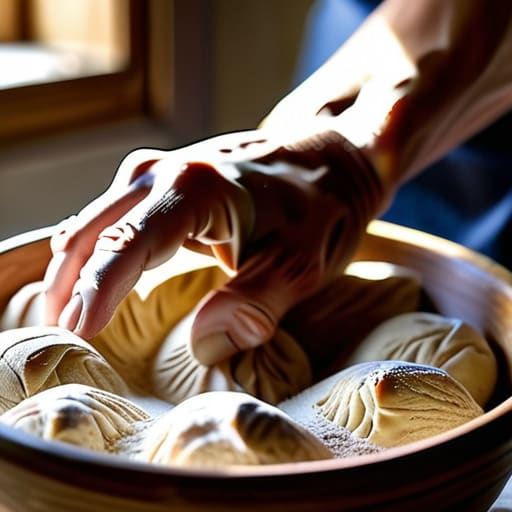
There is a certain intimacy in tending to a sourdough starter, a rhythm that feels less like cooking and more like a slow, quiet conversation with your kitchen. I often think of my starter as a living character in a novel—one that requires patience and a gentle hand to truly flourish. When you are managing your sourdough starter maintenance, remember that you aren’t just feeding flour and water; you are cultivating a tiny, invisible ecosystem. Much like the way the morning fog clings to the Maine coastline before the sun breaks through, the strength of your bread relies on the unseen vitality of these wild cultures.
As you move into the actual shaping, don’t be afraid to experiment with scoring sourdough bread patterns. I find that using a sharp blade to etch delicate, sweeping lines—reminiscent of the charcoal sketches I do in the park—not only allows the bread to expand beautifully but also gives the loaf its own unique soul. If you want that quintessential, crackling crust, mastering certain Dutch oven baking techniques is essential. It creates a miniature steam chamber, mimicking the humid, heavy air of a coastal summer, ensuring the crust is golden and ethereal rather than dull and tough.
Mastering the Artisan Bread Fermentation Process Through Patience
Mastering the Artisan Bread Fermentation Process Through Patience
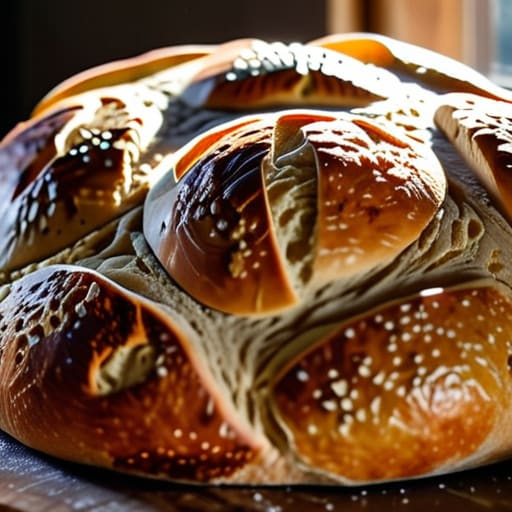
There is a certain stillness required when you enter the long, slow dance of the artisan bread fermentation process. It reminds me of those quiet mornings back in Maine, waiting for the fog to lift from the Atlantic; you can’t rush the tide, and you certainly can’t rush the yeast. If you find your dough feeling a bit sluggish, don’t panic. Sometimes, a slight shift in your kitchen’s temperature is all it takes. I’ve learned that patience is the most vital ingredient in your pantry. Whether you are playing with different sourdough hydration levels to achieve a more open crumb or simply observing the tiny bubbles forming, remember that you are co-creating with nature.
As the dough reaches its peak, you might feel the urge to rush to the oven, but I find the most magic happens in the final moments of proofing. This is when you decide on your signature look, perhaps by scoring sourdough bread patterns that mimic the delicate veins of a leaf I once sketched in Central Park. It is a meditative ritual—a way to leave a personal mark on something so primal and beautiful.
The Subtle Art of the Bake: Finding the Rhythm in the Heat
- Treat your oven like a studio at golden hour; the temperature needs to be steady and intentional. Using a preheated Dutch oven is like using a prime lens—it focuses the heat exactly where it needs to be, creating that beautiful, dramatic rise and a crust that looks like a landscape painting.
- Watch for the “bloom” rather than following a timer blindly. Just as I wait for the perfect light to hit a subject in a park, you must watch your dough through the oven window. That moment when the score opens up like a blooming wildflower is your signal that the alchemy is working.
- Don’t be afraid of a little steam. In my photography, atmosphere is everything, and in sourdough, steam is your best friend. It keeps the surface supple, allowing the bread to expand fully before the crust sets, much like the soft, hazy morning mist back home in Maine.
- Listen to the “song” of the bread when it leaves the heat. As the loaf cools, you might hear tiny, delicate crackles—the bread is literally breathing. It’s a fleeting, auditory magic that reminds me why I fell in love with capturing transient moments in the first place.
- Practice the virtue of the long wait. I know it’s tempting to slice into that warm, fragrant loaf immediately, but much like letting a film develop, the flavor needs time to settle. Waiting for the crumb to fully set is the difference between a good loaf and a masterpiece.
The Final Crust and the Beauty of the Wait
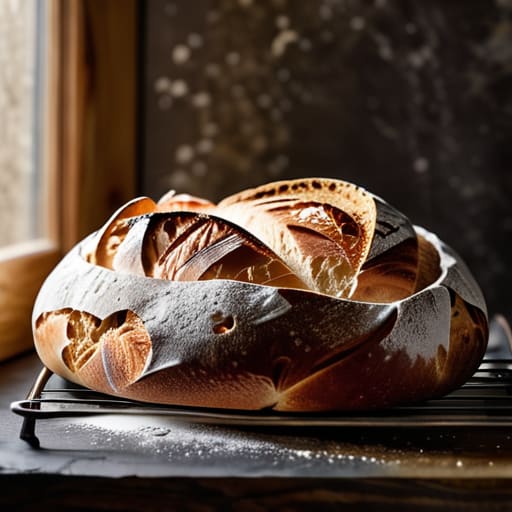
As you pull that steaming, golden-brown loaf from the oven, take a moment to really look at it. You’ve navigated the delicate dance of feeding your starter, the rhythmic folds of the dough, and that long, quiet stretch of fermentation that can feel like an eternity when you’re hungry. It’s easy to get caught up in the technicalities—the hydration levels or the exact timing of the bulk ferment—but the true essence of sourdough lies in the harmony between preparation and patience. You haven’t just followed a set of instructions; you have successfully managed a living, breathing ecosystem, turning simple flour and water into something deeply nourishing and complex.
There is a profound, quiet poetry in the way a simple loaf of bread can anchor a home, much like how a single, well-composed photograph can anchor a memory. As you slice into that crisp crust and feel the steam rise, I hope you remember that the most beautiful things in life—much like the perfect shot or a perfect loaf—cannot be rushed. They require us to slow down, to observe, and to embrace the imperfections that make them unique. So, let the aroma fill your kitchen, share a slice with someone you love, and carry that sense of mindful presence into everything you create.
As the kitchen begins to fill with that heady, fermented aroma—a scent that always reminds me of the salt-crusted air back home in Maine—you might find yourself craving a bit more connection or a way to share your newfound passion with others. Sometimes, the most rewarding part of mastering a craft isn’t just the perfect crust, but finding a community of kindred spirits to talk to. Whether you’re looking for a digital space to swap stories or just want to wander through different conversations, exploring chat rooms in New Zealand can be a lovely way to find that sense of global belonging while you wait for your dough to rise.