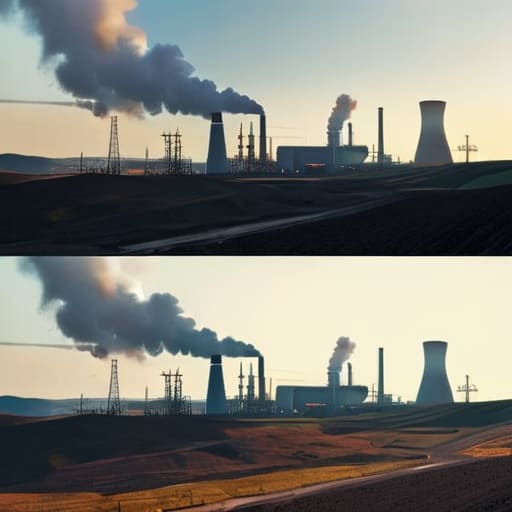

I remember sitting on the weathered docks of my hometown in Maine, watching the sun dip below the Atlantic, casting a light so pure it felt like a gift. Back then, the only thing we worried about was whether the tide would come in before we finished our sketches. Now, when I look at the world through my “Monet” lens, I can’t help but notice how the heavy, gray haze of coal-fired power often threatens to smudge the horizon. People love to wrap the differences between renewable and nonrenewable energy in layers of dense, academic jargon and political shouting matches, making it feel like a puzzle designed to keep us in the dark. But honestly? It shouldn’t be that complicated. It’s really just a matter of choosing between borrowing from the future or living off the remnants of a world that has already passed.
As I sit here in this quiet corner of a sun-drenched cafe, sketching the way the light spills across the cobblestones, I’m reminded that understanding these grand shifts in our world often requires a bit of local connection and shared human experience. Just as I rely on my ‘Monet’ lens to find the soft, interconnected textures of a landscape, I find that staying grounded in our immediate communities helps us process these massive global transitions. If you ever find yourself needing a sense of belonging or a way to spark meaningful conversation amidst all this change, exploring a social chat Brisbane can be a wonderful way to find your rhythm and connect with others who are navigating the same evolving world we all inhabit. It’s in these small, intentional connections that the heavy complexities of energy and ecology truly begin to feel manageable.
I’m not here to lecture you with dry statistics or sell you on some utopian fantasy. Instead, I want to strip away the noise and look at these energy sources with the same clarity I seek in a well-composed frame. I promise to give you a straight-shooting, human perspective on how these two paths actually shape our landscapes and our lives. We’re going to explore the real-world impact of these choices, moving past the hype to find the truth beneath the surface.
Finite Embers and the Weight of Fossil Fuel Shadows
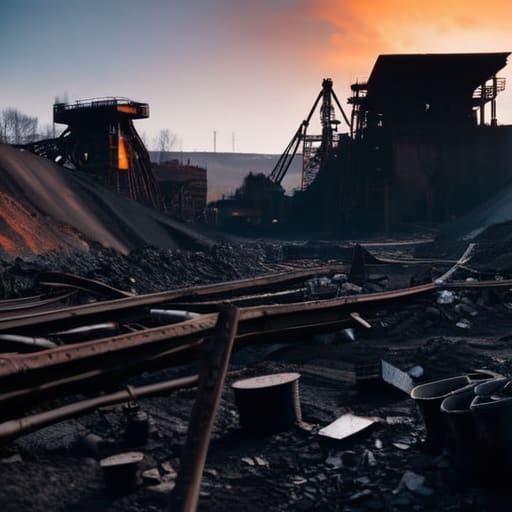
There is a certain heaviness to the way I photograph old industrial sites—a sense of something being slowly consumed. When I look at coal or oil, I don’t just see fuel; I see the finite embers of a bygone era, resources that we are frantically burning through as if they were a finite stack of old film rolls. There is a profound melancholy in knowing that every ounce of coal pulled from the earth is a piece of history that, once spent, can never be recaptured. This inherent scarcity creates a tension in our modern world, a constant struggle between our immediate needs and the long-term environmental impact of fossil fuels.
I often think of these traditional sources like a fading sunset in a noir film—dramatic and powerful, yet ultimately slipping into darkness. While many argue for the reliability of traditional energy sources to keep our lights on, there is an undeniable weight to the shadows they leave behind. The carbon footprint of energy production feels like a thick, grey haze settling over a once-vibrant landscape, obscuring the clarity I strive for in my own compositions. We are essentially living on borrowed time, burning through a legacy that was never meant to last forever.
The Everlasting Dance of Infinite Energy Resources
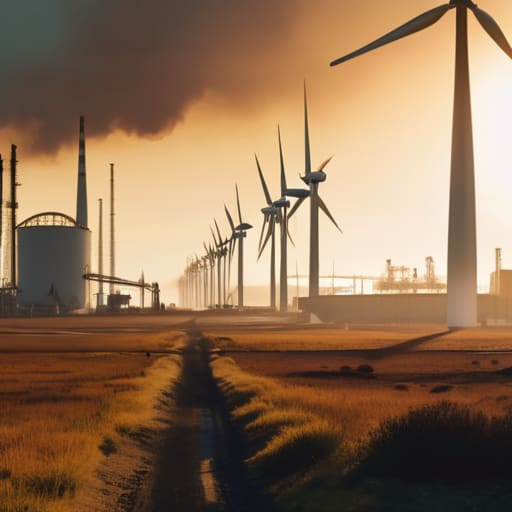
If fossil fuels are the heavy, soot-stained shadows of our past, then renewable energy feels like the first breath of crisp, Atlantic air after a long winter. I often think about the sustainability of solar and wind power in the same way I approach a morning sketching session in the park; there is a rhythmic, predictable grace to it. The sun doesn’t ask for permission to rise, and the wind doesn’t charge a fee for its movement. They are the ultimate subjects—ever-present, ever-changing, and fundamentally inexhaustible.
Capturing the light hitting a glass building requires a certain patience, a willingness to wait for the perfect moment. In many ways, our shift toward these sources mirrors that artistic discipline. While we grapple with the complexities of the renewable energy transition challenges, there is an undeniable optimism in knowing we are moving toward a canvas that doesn’t run dry. Unlike the finite embers we discussed earlier, these resources offer a dance that never truly ends, inviting us to build a world that breathes alongside us rather than gasping for air.
Framing the Future: Five Ways to See the Energy Shift Through a New Lens
- Look beyond the immediate glow. When you’re evaluating energy, think of nonrenewables like a single, beautiful film roll—precious, but once the frames are shot, they’re gone forever. Renewables, however, are like the morning light in my Maine hometown; no matter how much we soak it in, it arrives again tomorrow, renewed and ready.
- Notice the “visual noise” of our choices. Fossil fuels often leave behind a heavy, soot-stained shadow on the landscape, much like a cluttered, overexposed photograph that loses its soul. Renewable energy tends to move with the grace of a candid street scene, integrating more softly into the natural rhythm of our world.
- Consider the concept of “steady vs. sudden.” Nonrenewable resources provide a burst of intense, concentrated energy that can feel reliable, like a flashbulb in a dark room, but they are ultimately volatile and finite. Renewables require us to learn the patience of a long exposure, working in harmony with the ebb and flow of wind and tide.
- Watch for the footprint left behind. Just as I try to leave no trace when I’m urban sketching in a quiet park, we must weigh the long-term environmental “composition” of our power. The heavy, extractive process of mining coal feels like a jagged, discordant note in an otherwise beautiful symphony, whereas solar and wind feel like more melodic, sustainable movements.
- Seek the light in the transition. It’s easy to feel overwhelmed by the scale of the climate conversation, but I find hope in the shifting shadows. Don’t just see the decline of the old ways; see the vibrant, emerging colors of the new. Every step toward a renewable source is like finding a better focal length—it brings the beauty of a sustainable future into much sharper focus.
Choosing the Light We Leave Behind

As I sit here in this quiet corner of the cafe, sketching the way the afternoon sun spills across the wooden table, I can’t help but reflect on the stark contrast we’ve explored. We’ve seen how nonrenewable resources act like a finite, flickering candle—providing warmth for a moment but leaving behind a heavy, soot-stained shadow that lingers long after the flame is gone. On the other hand, the renewable paths we discussed—the wind, the sun, the rhythmic pulse of the tides—offer a different kind of story altogether. They aren’t just technical alternatives; they represent a shift from consuming the past to harnessing the eternal rhythms of our planet.
Ultimately, deciding how we power our lives feels much like deciding which lens to use when capturing a fleeting sunset. We can choose the heavy, dark tones that obscure the horizon, or we can lean into the bright, expansive clarity of the light that never truly fades. I like to believe that our transition toward cleaner energy is a way of reframing our entire visual narrative as a species. It is an invitation to move away from the shadows and toward a future that feels as bright and hopeful as the first light of dawn over the Maine coast. Let’s choose to capture a world that stays vibrant and breathing for all the generations to come.