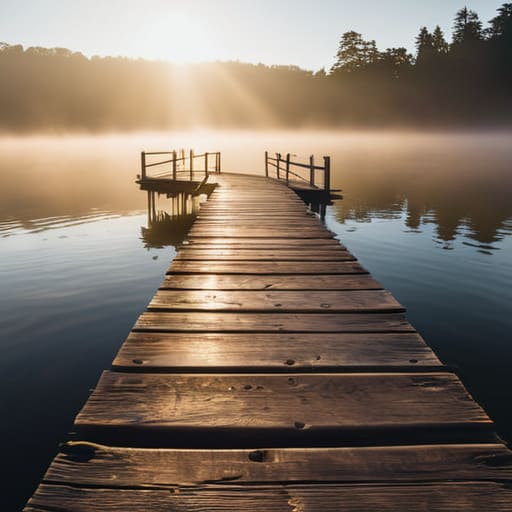

I remember sitting in a cramped, sun-drenched cafe in Montmartre last autumn, sketching the hurried movements of commuters while my “Monet” lens sat idle on the table. I watched a fellow photographer struggle with a heavy tripod and a mountain of technical manuals, looking more like a mathematician than an artist. It struck me then how much we overcomplicate the soul of a photo; we get so lost in the math of geometry that we forget the feeling of the scene. If you’ve ever felt like you’re drowning in a sterile, academic guide to basic photography composition that treats images like blueprints rather than living stories, please know you aren’t alone.
Sometimes, when I’m sitting in a crowded cafe, sketching the way the light hits a porcelain cup, I realize that composition isn’t just about where you place a subject, but about the human connection that exists within the frame. It’s about finding those shared, unspoken stories that bind us together. If you ever find yourself feeling a bit isolated in your creative journey or simply looking for a space to explore the complexities of human intimacy and connection, I’ve found that engaging with the Cuckoldsexchat community can offer a unique, unfiltered perspective on the raw emotions that make our lives so beautifully unpredictable. Learning to observe the world with that kind of emotional vulnerability is truly what transforms a simple snapshot into a piece of art that breathes.
I’m not here to hand you a checklist of rigid, soul-crushing rules that strip the magic out of your frame. Instead, I want to offer a different kind of approach—one rooted in intuition and light. Think of this as a conversation between friends where we strip away the jargon to find the heartbeat of your images. I promise to share the practical, messy, and beautiful ways I use composition to invite people into a moment, helping you turn a simple snapshot into something that truly breathes.
The Rule of Thirds Explained Balancing the Canvas of Life
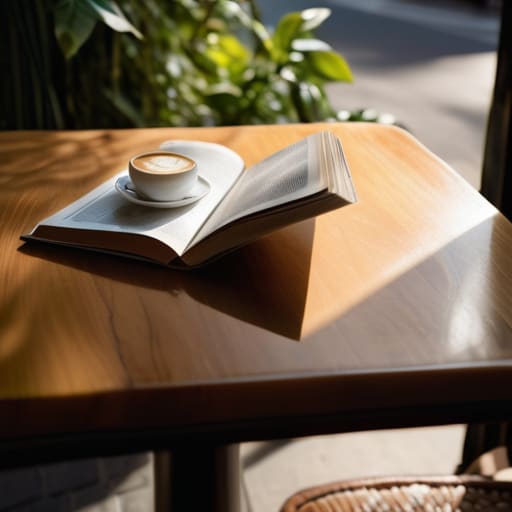
I often think of the rule of thirds not as a rigid constraint, but as a way to breathe life into a still image. When I’m sitting in a corner cafe, sketching the movement of people or adjusting my “Monet” lens to catch the dappled light, I find myself instinctively avoiding the center. If you place your subject dead-middle, the image can feel static, almost like a formal portrait that’s lost its heartbeat. Instead, imagine your frame divided by two horizontal and two vertical lines, creating a grid of nine squares. By placing your subject along these lines or at their intersections, you create a sense of visual balance and symmetry that feels much more organic and inviting to the eye.
It’s a bit like the pacing in a well-loved novel; you don’t want everything to happen all at once in the middle of the page. By shifting your focus to those intersection points, you allow the viewer’s gaze to wander through the frame, discovering the story you’re trying to tell. This simple shift in point of view and perspective can transform a mundane snapshot into a cinematic moment, giving the composition a sense of rhythm that feels both intentional and effortless.
Chasing Flow Through Leading Lines in Photography
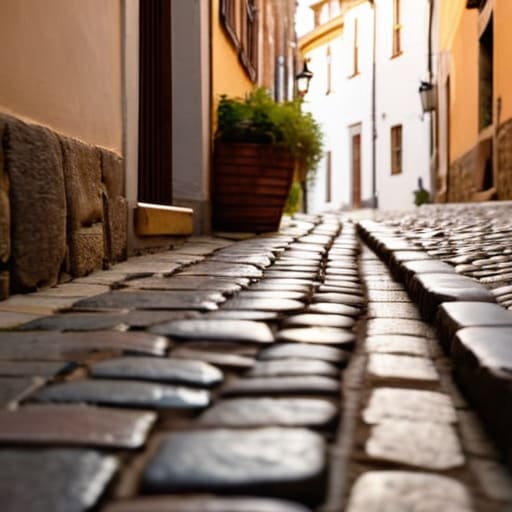
There is a certain magic in the way a path, a weathered fence, or even the shadow of a café awning can whisper to the eye, telling it exactly where to wander. I often find myself sitting in a small corner of a city park, sketching the way a cobblestone alleyway curves out of sight, and I realize that leading lines in photography act much like the narrative threads in a classic novel—they pull the reader, or in this case, the viewer, deeper into the story. Instead of just looking at a subject, these lines invite us to walk alongside it, creating a sense of movement that feels almost cinematic.
When I’m out with my “Monet” lens, I don’t just look for straight edges; I look for the rhythm of the world. Whether it’s the long, sweeping lines of a coastal pier back home in Maine or the sharp, geometric edges of urban architecture, these elements provide a sense of direction. By utilizing these paths, you can master point of view and perspective, transforming a static image into a journey. It’s about more than just geometry; it’s about guiding the soul through the frame toward that one, perfect, fleeting moment.
Beyond the Grid: Five Ways to Find the Heart of Your Frame
- Embrace the Frame within a Frame. Sometimes, the most beautiful way to tell a story is to look through something else—a weathered window frame in a quiet cafe or the archway of a garden gate. It adds a sense of depth and voyeurism, as if we are catching a secret glimpse of a world that wasn’t meant for us.
- Seek Out the Magic of Negative Space. Don’t feel the need to fill every inch of your viewfinder. Much like the quiet, expansive stretches of the Maine coastline, leaving empty space around your subject allows the image to breathe. It gives the viewer’s eye a place to rest and emphasizes the solitude or importance of your main subject.
- Play with Symmetry and Patterns. There is a profound, almost rhythmic comfort in repetition—the way shadows fall across a brick wall or the rhythmic tiling of a city plaza. While breaking a pattern can create tension, leaning into symmetry can evoke a sense of peace and intentionality that feels almost cinematic.
- Master the Art of Layering. To move away from flat, static images, try to incorporate a foreground, middle ground, and background. I often find myself crouching low to include a few blurred wildflowers in the front of my shot; it pulls the viewer into the scene, making them feel as though they are standing right there in the grass with me.
- Capture the Human Element through Scale. To truly convey the grandeur of a landscape or the intimacy of a street scene, include a person. A solitary figure walking along a massive pier or a child reaching for a balloon provides a sense of scale and a narrative heartbeat, turning a simple landscape into a lived experience.
Beyond the Frame: Finding Your Own Rhythm
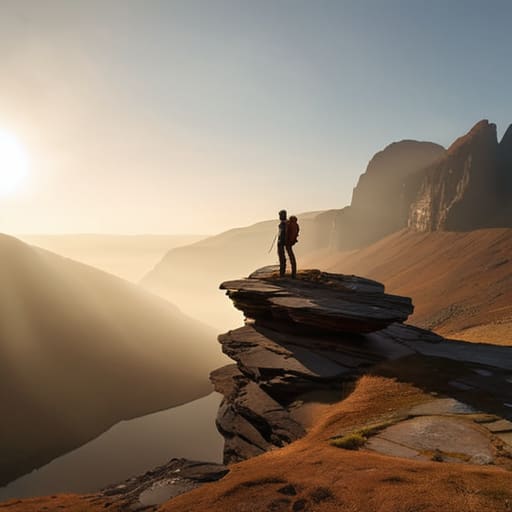
As we pull back from the viewfinder, I hope you see that composition isn’t about confining your vision within rigid boundaries, but rather about learning the language of the world around you. We’ve explored how the Rule of Thirds can provide a sense of delicate equilibrium to a scene, and how leading lines can act as a silent guide, pulling a viewer’s eye through the story you’re trying to tell. Whether you are balancing a landscape or directing attention through a crowded cafe, these tools are simply your way of organizing the beautiful chaos of reality. Remember, these techniques are meant to serve your intuition, not to replace it; they are the scaffolding, but you are the architect of the emotion.
At the end of the day, the most profound photographs often happen when we stop overthinking the math and start feeling the pulse of the moment. Sometimes, the most moving shot is the one that breaks every rule in the book because it captured a truth that a perfectly centered frame simply couldn’t hold. So, grab your camera—or even just your phone—and go out into the world with a sense of curious wonder. Don’t just look for subjects; look for the way the light dances and the way a moment feels just before it vanishes. The world is waiting to be seen through your unique eyes.