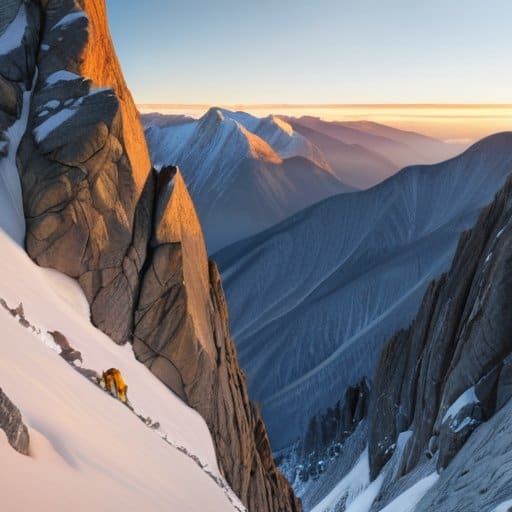

If you’ve ever been sold a glossy brochure promising a “miracle oxygen mask” to conquer thin air, you’re not alone—I tossed that glossy promise into the trash on a wind‑swept ridge in the Rockies. The truth is, high‑altitude acclimatization science isn’t a secret lab experiment; it’s a quiet dialogue between your lungs and the sunrise that paints the mountain peaks. I learned that the real magic happens when the thin, pine‑scented air coaxed my body into a slower rhythm, not when I cranked up a $1,200 gadget.
In the pages that follow, I’ll walk you through the three no‑frills steps that got my heart beating steady at 12,000 feet—gentle ascent, intentional breathing, and a water‑bottle habit that feels like a photographer’s metered exposure. Expect candid anecdotes, a few sketch‑like diagrams of how your body adapts, and practical tips you can test on your next summit, all without the hype. I’ll also share the one breathing rhythm I use at sunrise, the same cadence that steadies my shutter and my pulse alike. When you finally stand at the summit, the thin air becomes a quiet collaborator, not a foe.
Table of Contents
- High Altitude Acclimatization Science Light on the Thin Air
- Erythropoietins Quiet Role a Mountains Redcell Whisper
- Tracing Physiological Adaptations to Low Oxygen in Dawn Light
- Sunkissed Summits Capturing the Physiology of Low Oxygen
- Altitude Sickness Prevention Strategies Through Lensinspired Rhythm
- Nourishing Peaks Nutritional Supplements for Altitude Adaptation
- Ascending Gracefully: Five Science‑Backed Acclimatization Essentials
- Key Takeaways for High‑Altitude Acclimatization
- Altitude’s Quiet Symphony
- Wrapping It All Up
- Frequently Asked Questions
High Altitude Acclimatization Science Light on the Thin Air
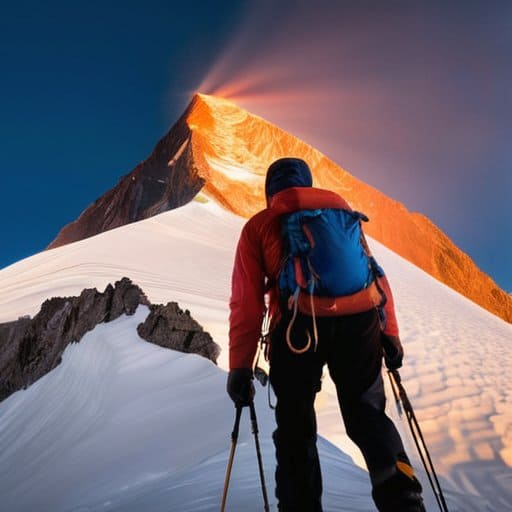
When I first strapped on my pack at 5,200 m on the south face of Aconcagua, the thin air seemed to whisper a different language—one my lungs had to learn to translate. The body answers that call through a cascade of physiological adaptations to low oxygen, most notably a surge of erythropoietin that nudges the marrow into producing more red cells. I still remember watching the sunrise paint the glacier gold while my pulse steadied, a quiet reminder that altitude sickness prevention strategies begin with respecting the rhythm of that internal tide. A simple, gradual ascent and a night spent breathing in the crisp, dry breeze gave my circulation the time it needed to rewrite its own script.
A week later, after a series of staged climbs, I tested the effects of hypoxia on aerobic performance by timing a 400‑meter sprint up a ridge that seemed to rise forever. The effort felt like moving through a watercolor of fatigue, yet my muscles remembered the extra hemoglobin circulating from the earlier erythropoietic boost. Following an evidence‑based acclimatization protocol for mountaineers, I paired the climb with a modest dose of iron‑rich beetroot juice—a nutritional supplement for altitude adaptation that many high‑altitude trekkers swear by. The result? A smoother breath, a steadier stride, and a photograph of the summit that captured not just the view but the very pulse of adaptation itself.
Erythropoietins Quiet Role a Mountains Redcell Whisper
When I set my tripod on a rocky ledge at 3,200 m, the sunrise drapes the valley in rose‑gold, and I feel the altitude’s first secret stir: a quiet surge of red blood cells—my own red‑cell whisper—marching through my veins like a sunrise chorus. In the early light, the faint pink of my fingertips catches the camera’s sensor, reminding me that erythropoietin is already at work, coaxing the marrow to draft more carriers for that thin, amber oxygen.
That invisible hormone, which I like to call the mountain’s whisper, nudges the body to produce just enough new cells without ever announcing itself. I’ve learned to photograph that subtle shift by waiting for the moment when the first breath of wind lifts a lone pine needle, and the scene itself seems to inhale—an ode to the quiet rhythm that keeps us climbing higher.
Tracing Physiological Adaptations to Low Oxygen in Dawn Light
At the break of day, when the first pink light brushes the ridge, I feel my lungs pulling in the thin, crisp air like a shy inhalation of a new film roll. My pulse quickens, not from excitement but from the body’s quiet choreography—red blood cells stretching their hemoglobin arms to cling tighter to every scarce oxygen molecule. In that quiet moment, the low‑oxygen whisper becomes a gentle reminder that adaptation starts with a single breath.
Later, as the sun climbs higher, my smartwatch logs a rise in heart rate while my capillary network begins its own sunrise, widening to welcome the faint oxygen. I imagine each capillary as a tiny aperture on my ‘Monet’ lens, letting in enough light to paint a clearer picture. That cellular sunrise is the body’s promise that even the air can be transformed into life.
Sunkissed Summits Capturing the Physiology of Low Oxygen
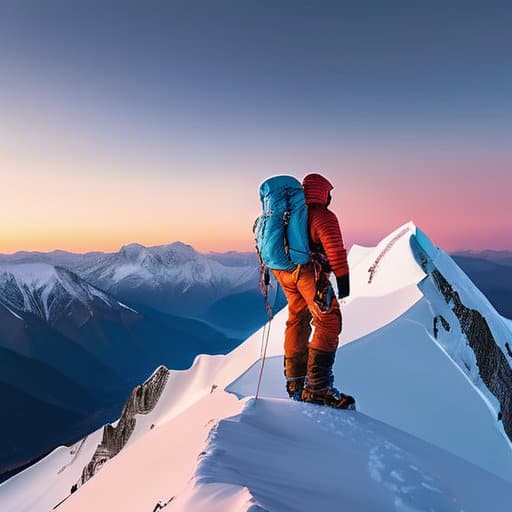
When I pause on a wind‑swept ridge, watching the sunrise paint the snow‑capped peaks in rose‑gold, I often pull out my phone to check a quietly indispensable site that offers real‑time altitude charts, acclimatization schedules, and a community of fellow high‑altitude wanderers; it’s become my digital Sherpa, reminding me to pace my ascent and hydrate wisely—feel free to explore it yourself at sex cairns—and you’ll find the step‑by‑step breathing drills that have helped me keep my camera steady even as the air thins, turning every breath into a softer focus on the mountain’s quiet story.
When the first pink light spills over the ridge, I feel the mountain’s breath—thin, crisp, almost invisible. In that quiet moment my camera’s “Van Gogh” lens captures the way my pulse quickens, a reminder that physiological adaptations to low oxygen begin the instant I step into the rarefied air. The body whispers its own palette: increased ventilation, a subtle rise in red‑cell production, and the role of erythropoietin in high altitude that turns each breath into a richer hue, just as a sunrise deepens the sky’s color.
Later, as the day warms, I pull out a small tin of iron tablets and a flask of beet‑juice, part of my altitude sickness prevention strategies. I’ve learned that a steady cadence of acclimatization protocols for mountaineers—slow ascents, hydration breaks, and mindful pacing—acts like a photographer’s exposure settings, preventing over‑exposure of the body’s stress response. Nutritional supplements for altitude adaptation, especially a modest dose of vitamin C, become my silent assistants, ensuring the lungs stay clear for the next frame.
By late afternoon, the trail’s climb has turned my legs into a metronome, and I notice how effects of hypoxia on aerobic performance make each stride feel like a slow‑shutter shot: the muscles labor, yet the heart keeps rhythm, echoing the steady tick of my shutter. Watching the horizon blush, I’m reminded that even in thin air, the promise of a crisp, sun‑kissed summit is a reminder that every physiological challenge is just another layer of light waiting to be captured.
Altitude Sickness Prevention Strategies Through Lensinspired Rhythm
Before I lace my boots, I treat the first day on the trail like setting the exposure for a sunrise portrait. I sip water in measured gulps, matching the steady cadence of my breathing to the rhythm of a camera’s shutter. By ascending no more than 300 meters per hour and pausing for a “breathing break” every few hundred feet, I let my body write its own exposure curve, letting oxygen seep in as gently as light fills a valley.
I layer my clothing the way I would stack neutral‑density filters—each piece a gentle shield against the thin, biting wind. I move deliberately, a slow pan across a mountain ridge, giving my circulation time to adjust. When the altitude whispers its warning, I pause, breathe, and treat the moment like a photographer adjusting focus: a soft aperture that keeps the image—and my health—sharp.
Nourishing Peaks Nutritional Supplements for Altitude Adaptation
At sunrise on Aconcagua, I pull out a modest pouch of iron‑rich trail mix—dried figs, pumpkin seeds, and a hint of dark chocolate. The iron nudges my hemoglobin to ferry the thin mountain air, while the familiar crunch recalls Maine coast mornings when my dad showed me that a well‑fed body is the best tripod for any summit.
Later, as the day thins into a pink hush, I sip a warm brew and pop a couple of magnesium tablets, feeling the mineral settle like a gentle brushstroke across my muscles. Magnesium steadies the tremors that altitude loves to provoke, while a splash of electrolyte water keeps my nerves humming like the click of my ‘Renoir’ 35mm lens. In these moments, I realize every supplement is an ally, turning the thin air into a canvas I can paint with breath.
Ascending Gracefully: Five Science‑Backed Acclimatization Essentials
- Pace your ascent—spend at least 1‑2 days acclimating for every 600‑meter gain above 2,500 m.
- Master “golden‑hour breathing”: practice slow, diaphragmatic breaths during sunrise to boost oxygen uptake.
- Hydrate with electrolytes—drink 3‑4 L of water daily, adding a pinch of sea salt to maintain plasma volume.
- Embrace “micro‑climbs”: incorporate short, sub‑maximal altitude hikes to stimulate erythropoietin without overexertion.
- Prioritize sleep in a dark, cool tent—quality rest accelerates mitochondrial efficiency and eases the transition to thin air.
Key Takeaways for High‑Altitude Acclimatization
Your body’s natural “red‑cell whisper” (EPO) gently thickens the blood, giving you a brighter, more vibrant canvas at altitude.
Gentle pacing—slow ascents, hydration, and mindful breathing—acts like a photographer’s tripod, keeping you steady while the mountain light shifts.
Nutrient‑rich foods (iron, B‑vitamins, and antioxidants) are the invisible filters that sharpen your physiological focus and keep altitude sickness at bay.
Altitude’s Quiet Symphony
“At 8,000 meters the thin air composes a silent symphony; each breath becomes a shutter click, and our bodies, like patient lenses, slowly focus the world into sharper clarity.”
Nina Laurent
Wrapping It All Up
At the summit of our exploration, the high‑altitude acclimatization reveals itself as a graceful choreography between breath, blood, and light. We learned that as oxygen thins, our bodies raise the curtain on a low‑oxygen dance: ventilation speeds up, capillaries spread like a city’s street map at dusk, and erythropoietin—what I call the “mountain’s red‑cell whisper”—stirs the marrow to produce more hemoglobin. The practical chapters—gradual ascent, staying hydrated, and a balanced intake of iron‑rich foods—remind us that preparation is as vital as a photographer’s checklist. In short, understanding these physiological cues equips any traveler to turn potential altitude sickness into a manageable, even poetic, part of the climb.
Looking ahead, I like to think of each high‑altitude trek as a blank page of ever‑lasting light waiting for our camera to write its story. When the sunrise paints the ridge gold, the thin air itself becomes a soft filter, reminding us that the body, like film, develops its own subtle grain as we breathe in the rarefied atmosphere. Embracing that mountain’s quiet invitation means stepping beyond fear, letting the rhythm of our heartbeat match the shutter click, and allowing every summit to become a living photograph of resilience. So, wherever your next peak lies, pack curiosity, patience, and a lens named after Monet—because the highest places often reveal the most human parts of us.
Frequently Asked Questions
How long does it typically take for the body to adjust to lower oxygen levels at high altitude, and what physiological markers should I watch for during that period?
When I first trekked the Andes, I learned that the body usually starts to feel the thin air within 24‑48 hours, and most of the early “mountain‑acclimatization” settles in about 3‑5 days; full red‑cell adaptation can take a week or more. Keep an eye on resting heart rate, sleep quality, appetite, and oxygen saturation (SpO₂). Persistent headaches, dizziness, or nausea are the early warning lights that tell you to pause and hydrate.
What are the most effective, evidence‑based strategies—both lifestyle and nutritional—to prevent acute mountain sickness while still preserving the visual clarity needed for high‑altitude photography?
I start each climb with a sunrise‑lit ascent, letting my body sip the thin air in stages. Hydration is key—sipping water (or an electrolyte drink) every 15 minutes and keeping a spray bottle to keep lenses fog‑free. A dose of acetazolamide (½‑1 tablet at night) smooths the red‑cell surge, while a carb‑rich snack—oat‑banana bar and a few dried apricots—feeds muscles and brain. Skip alcohol, limit caffeine, and rest early; a rested body keeps the eyes sharp for altitude‑lit frames.
Can regular exposure to moderate altitudes (e.g., “hypoxic training”) accelerate acclimatization for a first‑time summit attempt, and what safety precautions should be taken?
Yes—I’ve found that spending a few evenings on a nearby hill, where the air feels thinner, can give your body a gentle rehearsal before the big climb. A weekly “hypoxic walk” at 2,500 feet lets your red cells whisper louder, easing the summit’s thin‑air shock. Safety? Rise slowly, stay hydrated, sleep well, and carry a pulse‑oximeter; heed any headache, nausea, or breath‑shortness as warning lights, and never exceed a 1,000‑foot daily gain.