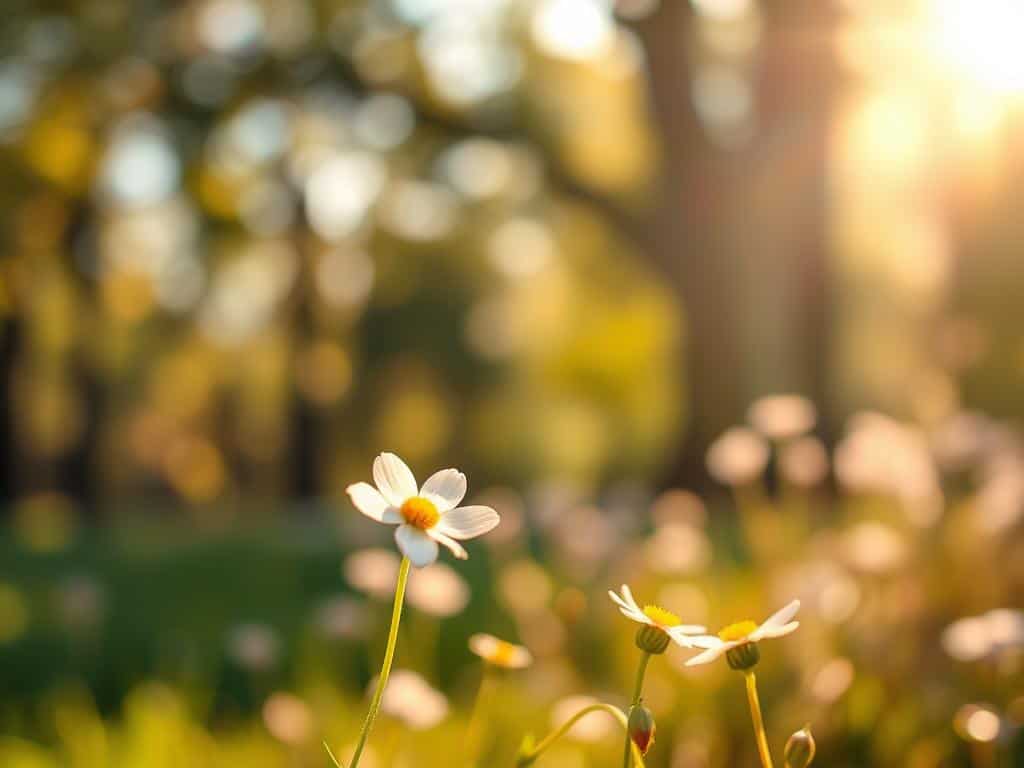

Did you know that using a wide aperture, like f/1.8 or f/1.4, can completely transform a photo? It blurs the background and highlights the subject. This technique, known as bokeh, is not just a trendy photographic effect. It’s a captivating art form that adds extraordinary depth and character to your images.
Whether you’re a professional photographer or an enthusiast with a basic camera, bokeh photography is for everyone. It elevates your photos. By choosing the right lens, mastering depth of field, and applying thoughtful composition, you can achieve stunning artistic blur. You don’t need to spend a lot on high-end equipment.
Key Takeaways
- Telephoto lenses (50mm and above) are ideal for compressing the distance between the subject and background to enhance blur.
- Prime lenses with large apertures (f/1.8, f/1.4) are very effective for pronounced bokeh effects.
- A wide aperture results in a shallow depth of field, significantly increasing background blur.
- Positioning subjects against light sources can create “bokeh balls,” making your photos more visually appealing.
- Changing the distance between the subject and background can greatly improve bokeh quality.
Understanding Bokeh and Its Importance
Bokeh comes from the Japanese word for “blur” or “haze.” It’s about the beauty of the parts of an image that are out of focus. It’s key in photography, more so in portrait and telephoto lenses, which look better than cheaper zoom lenses.
What is Bokeh?
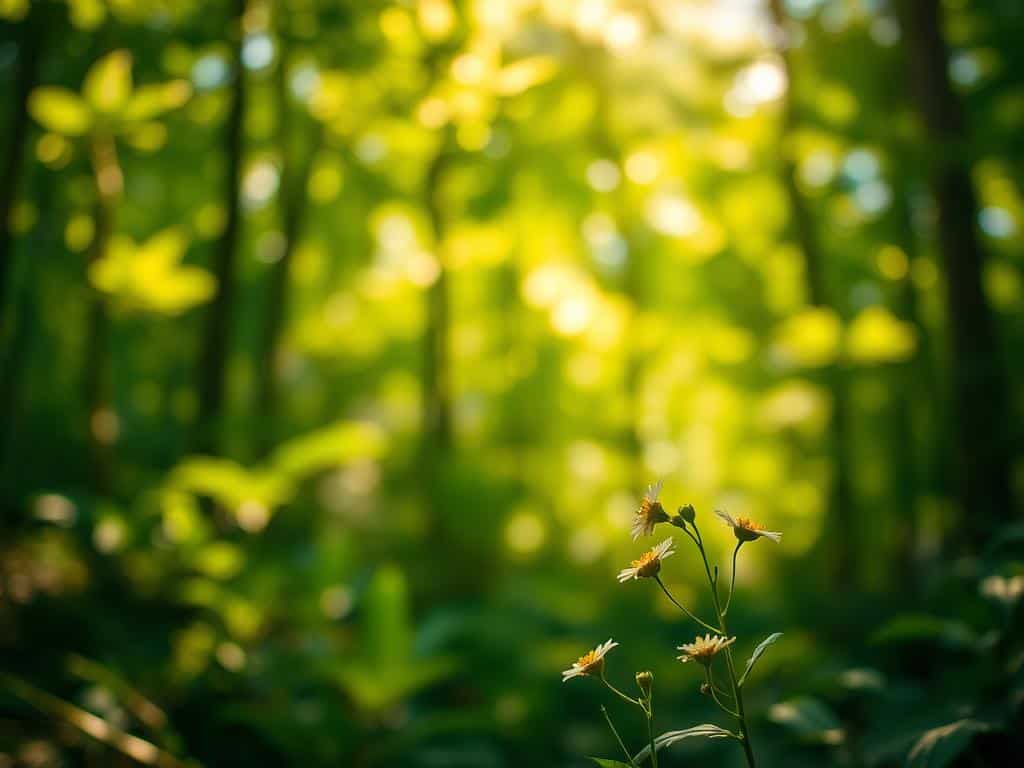
The term bokeh talks about how out-of-focus parts of a photo look. It makes the background blurred to focus on the main subject. This is loved in many types of photography, like portraits and macro shots.
The bokeh effect changes based on the lens’s design. For instance, older lenses like the Nikon 50mm f/1.4D have a different bokeh than newer ones like the Nikon 105mm f/2.8G VR.
Why Bokeh Matters in Photography
Bokeh makes photos look better by softening the background. This lets the subject pop out more. Top portrait lenses, like the Canon 85mm f/1.2 II USM and the Nikon 85mm f/1.8S, are known for their bokeh.
It’s not just for portraits. Bokeh is also key in macro photography. It helps keep the main subject clear from the background. Even with long lenses, like the Nikon 400mm f/4.5 S and Nikon 400 f/2.8 S, bokeh can be amazing.
Common Misconceptions About Bokeh
Many think you need expensive cameras and lenses for good bokeh. But, you can get great bokeh with simple techniques and settings, even with basic gear. Creating a shallow depth of field can improve bokeh, no matter the camera.
It’s also wrong to think only certain lenses can make bokeh look good. While long lenses, like the 85mm, are known for their bokeh, many lenses can produce great results with the right settings.
Bokeh Photography Tips
Creating stunning bokeh photos needs a solid plan and skill. Here are some key tips to help you get amazing results.
Choosing the Right Lens
For great bokeh, choosing lenses with big apertures is key. Fast lenses with f/2, f/1.8, or f/1.4 apertures work best. Lenses with round diaphragm blades make softer bokeh, while hexagonal blades create sharper shapes.
Prime lenses are known for their sharpness and often produce beautiful bokeh, perfect for portraits.
Mastering Depth of Field
Grasping the depth of field is essential. Wide apertures like f/2.0 or f/2.8 blur the background, focusing on the subject. Moving the subject further from the background can also improve bokeh, even with smaller apertures.
Use Aperture Priority or Manual mode to control the aperture and maximize bokeh.
Lighting Techniques for Bokeh
Lighting for photography greatly affects bokeh. Natural light, like during golden hours, can create amazing effects. Artificial lighting, such as backlighting or side lighting, can also enhance bokeh’s beauty.
Try different light sources and angles to achieve unique and artistic bokeh photos.
Composition Tips for Capturing Bokeh
Good composition is vital. Focus on the background to frame and highlight the main subject. Use holiday lights, foliage, or cityscapes as enchanting backdrops.
Experiment with camera settings, and use tools like Select Subject mask or Masking Brush to refine your bokeh photos.
By following these bokeh photography tips, you can take dreamy and compelling photos that grab attention.
Conclusion
Bokeh photography adds a unique artistic touch to images, making them more appealing. It brings a professional and creative feel. By mastering bokeh techniques, photographers can take their work to the next level.
Choosing the right lens is key. Beginners can start with the 50mm f/1.8, while pros might prefer the 85mm f/1.4. These lenses create stunning bokeh effects.
Using wide apertures like f/1.4 or f/2.8 produces amazing background blurs. The right lighting and composition are also important. Depth of field and the distance of your subject greatly affect the bokeh quality.
Shooting during the golden hour can also enhance the bokeh effect. The number and shape of aperture blades matter too. These details help create captivating bokeh.
Learning and trying new things is essential in bokeh photography. Stay updated with new techniques and tools. This way, both new and experienced photographers can capture the beauty of bokeh in their photos.
