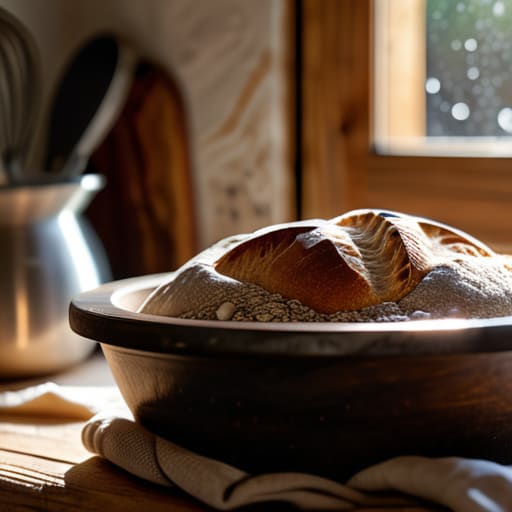

The flour is dusted across my wooden table like a fine mist over the Maine coastline at dawn, and for a moment, everything is perfectly still. I used to think that mastering the art of fermentation required a laboratory of precision and a temperament of steel, but I’ve learned that sourdough is much more like photography; it’s about learning to see the subtle shifts in light and life. Many people get intimidated by the complexity, fearing they’ll fail if their starter isn’t perfect or their timing isn’t exact, but the truth is that the most beautiful loaves come from a place of intuition rather than rigid rules. Learning how to bake sourdough bread from scratch isn’t about following a clinical manual; it’s about developing a relationship with the living, breathing rhythm of the yeast.
In this guide, I’m stripping away the intimidating jargon to give you a clear, soulful roadmap. I won’t promise you perfection on your first try, but I will share the honest, no-nonsense techniques I use to achieve that elusive, shatteringly crisp crust and a soft, airy crumb. We will walk through the process together, from nurturing your wild yeast to the final, golden bake, focusing on the small, tactile cues that tell you exactly when your dough is ready to transform.
Guide Overview
Tools & Supplies
- Digital scale for precise measurements
- Dutch oven for steam retention
- Bench scraper for dough handling
- Proofing basket (banneton) for shaping
- Active sourdough starter 100g
- Bread flour 500g
- Whole wheat flour 50g
- Water 350g
- Sea salt 10g
Step-by-Step Instructions
- 1. First, you must nurture your starter, that living, breathing soul of the bread. I like to think of it as a tiny, microscopic ecosystem that requires your gentle attention to thrive. Every day, feed it equal parts flour and filtered water, watching for those tiny, effervescent bubbles that signal it’s ready to dance. When it has doubled in size and feels light, almost airy, like a cloud captured in a glass jar, you’ll know it’s time to begin.
- 2. Once your starter is lively, it’s time to mix your “autolyse”—a quiet moment of rest for the flour and water. Combine your flour and water in a large ceramic bowl, stirring just until no dry streaks remain. Let it sit for about thirty minutes to an hour; this is much like the soft focus I seek in my photography, allowing the gluten to begin its slow, natural development before you even touch the salt or the starter.
- 3. Now, we introduce the magic. Add your active starter and a bit of sea salt to the dough, folding it in with your hands. Instead of aggressive kneading, I prefer the “stretch and fold” method. Every thirty minutes or so, reach under the dough, pull it upward, and fold it over itself. It feels incredibly tactile and grounding, a rhythmic process that reminds me of the steady, repetitive strokes of an urban sketcher working through the details of a city street.
- 4. After a few sets of folds, the dough should feel supple and resilient, much like a well-composed frame. Cover it with a damp cloth and let it undergo its bulk fermentation. This is the hardest part for a restless soul—the art of waiting. You are looking for the dough to grow in volume and hold tiny pockets of air, becoming a living testament to the patience you’ve invested.
- 5. Once the dough has risen beautifully, gently turn it onto a lightly floured surface to shape it. I find that being too forceful can bruise the delicate structure, so treat it with the same delicate precision one might use when adjusting a vintage Leica lens. Create tension by pulling the dough toward you on the counter, forming a tight, smooth skin that will hold its shape during the bake.
- 6. Let the shaped loaf rest in a proofing basket (or a bowl lined with a floured towel) for its final rise, ideally in the fridge overnight. This cold fermentation is where the deep, complex flavors truly bloom, reminiscent of the lingering nostalgia of an old film photograph. The chill slows everything down, allowing the acids to develop a profile that is both sharp and soulful.
- 7. Finally, the moment of transformation. Preheat your oven and a heavy Dutch oven until they are screaming hot. Carefully score the top of your loaf with a sharp blade—a single, decisive stroke that feels like releasing a breath—and drop it into the pot. The steam trapped inside will create that coveted, crackling crust. When you finally pull it out, the aroma will fill your kitchen like a warm memory, signaling that your slow dance is complete.
Nurturing Life Through Wild Yeast Fermentation Process
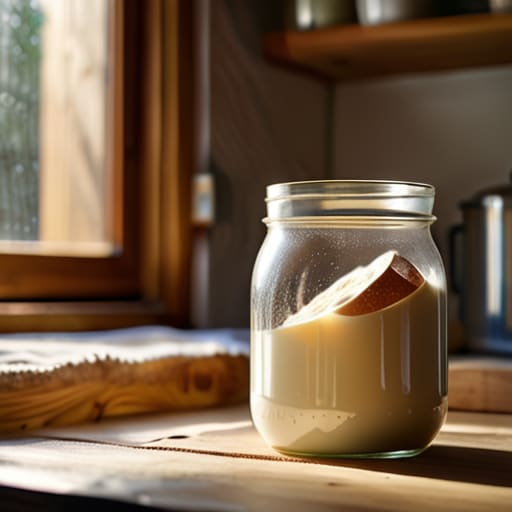
There is a quiet, almost meditative magic in the way a starter breathes. I often find myself sitting by my kitchen window, much like I used to sit on the Maine coast watching the tide come in, just observing the tiny, rhythmic bubbles that signal the wild yeast fermentation process is in full swing. It isn’t just chemistry; it feels more like tending to a small, living companion. To keep that vitality high, I’ve learned that consistency is more important than perfection. Whether you are feeding it on a strict schedule or just when the hunger calls, treating your starter with a bit of patience ensures it remains a robust heart for your loaves.
As you move into the more technical stages, don’t be intimidated by the variables. Understanding sourdough hydration levels explained can feel like learning a new language, but think of it like adjusting the aperture on my favorite Monet lens—it’s all about how much light, or in this case, moisture, you allow to shape the final image. If your dough feels a bit too slack or unruly, don’t panic. It’s simply a conversation between the flour and the water, a delicate balance that requires your intuition as much as your recipe.
Mastering Sourdough Hydration Levels Explained for Perfect Crumb
Understanding the alchemy of water and flour can feel a bit like adjusting the aperture on my favorite Monet lens—it’s all about finding that precise balance where light and shadow, or in this case, moisture and structure, meet. When we talk about sourdough hydration levels explained, we aren’t just discussing a recipe ratio; we are discussing the very soul of your loaf’s texture. A higher hydration level, perhaps around 75% or more, creates those beautiful, airy pockets in the crumb that I find so mesmerizing, much like the dappled sunlight filtering through the trees in a coastal Maine forest. However, higher hydration requires a bit more patience and a gentle hand during the folding process to ensure the dough doesn’t lose its integrity.
If you find the wetter dough a bit intimidating, don’t fret. Starting with a lower hydration can provide a more manageable structure while you learn the rhythm of the dough. Think of it as a slow, intentional practice rather than a race to perfection. As you master the feel of the dough between your fingers, you’ll begin to anticipate how it responds to warmth and time, eventually leading you to those breathtaking, open crumbs that define true artisan baking.
The Quiet Rhythms of the Crust and Crumb
- Listen to the bread as it cools; I often call this the “song of the sourdough.” Just as I wait for the perfect blue hour to capture a coastal landscape, you must resist the urge to slice into a warm loaf. Letting it rest on the wire rack allows the internal structure to settle, ensuring the crumb doesn’t become gummy and stays as airy as a summer cloud.
- Treat your starter like a living, breathing character in a novel. It isn’t just a mixture of flour and water; it’s a temperamental protagonist. I’ve learned that feeding it at the same time each day creates a predictable rhythm, much like the way I rely on the consistent morning light in my studio to find my focus.
- Don’t fear the mess of the stretch-and-fold. There is a tactile, almost meditative grace in pulling the dough upward, feeling its tension grow under your fingertips. It reminds me of the way I approach a new sketch in my notebook—starting with loose, uncertain strokes before the form finally reveals itself through repetition.
- Watch the light, not just the clock. If your kitchen is cool and dim, your dough will move with a slow, melancholic pace; if it’s warm and bright, it will dance much faster. I always keep a close eye on the dough’s physical transformation, much like I watch the shadows lengthen across a park bench, knowing exactly when the moment is ripe.
- Embrace the “ugly” loaves. In photography, sometimes the most profound shots are the ones that break the rules of perfect symmetry. If your bread comes out a bit lopsided or the crust is a little too dark, don’t discard it. There is a soulful, rustic beauty in imperfection that a perfectly manicured loaf simply cannot replicate.
The Final Crust and the Warmth Within
As you pull that steaming, golden loaf from the oven, take a moment to look at it—really look at it. We’ve journeyed through the delicate alchemy of nurturing a wild starter, the technical dance of mastering hydration, and the patient rhythm of the fermentation process. It can feel overwhelming at first, much like trying to capture the perfect, fleeting light of a Maine sunset with a new lens, but remember that each loaf is a lesson. Whether your crumb is perfectly airy or your crust is a bit more rustic than you intended, you have successfully transformed simple elements into something soulful and nourishing. You’ve moved beyond mere following of instructions and into the realm of true, tactile creation.
In a world that often feels like it’s moving at a frantic, digital pace, sourdough is a quiet rebellion. It asks us to slow down, to breathe, and to honor the beauty of patience. There is a profound connection in feeding a culture and watching it come to life, a reminder that the most meaningful things in life cannot be rushed. I hope that as you slice into your next loaf, you feel more than just the crunch of the crust; I hope you feel a sense of wonder at what your own hands can achieve. Keep practicing, keep experimenting, and never forget to find the art in the everyday.
As the dough begins to take on that beautiful, pillowy structure, I often find myself lingering in the quiet of my kitchen, much like I do when I’m waiting for the perfect light to hit a subject in a coastal Maine morning. It’s in these slow, meditative moments that I realize how much the rhythm of the process dictates the final result. If you ever feel like you’re losing your way amidst the flour and the fermentation, I’ve found that seeking out a bit of external inspiration can be a wonderful way to ground yourself. For instance, finding a little connection or a moment of unexpected joy—much like exploring sex gold coast—can provide that necessary spark to remind you that life, much like a good sourdough, is all about embracing the spontaneous and the beautiful when it arrives.