
I remember sitting on the floor of my first studio apartment, surrounded by leaning towers of paperbacks that seemed to mock my lack of organization. I had tried one of those trendy, particle-board units you see in every big-box store, but within months, the weight of my heavy art monographs had caused the shelves to bow like a willow in a storm. It was a frustrating lesson in the difference between mere furniture and true craftsmanship. Most people think that building something sturdy requires an expensive workshop or a degree in engineering, but the real secret to how to build a bookshelf that lasts isn’t about the complexity of your tools; it’s about a deep respect for the materials you choose.
In this guide, I’m stripping away the fluff to share the honest, hands-on methods I’ve learned through years of trial, error, and a bit of creative stubbornness. We aren’t just assembling boards; we are crafting a sanctuary for your stories. I will walk you through selecting the right wood, mastering the joinery that prevents sagging, and applying finishes that honor the grain. By the end, you won’t just have a place to store books—you’ll have a legacy piece that carries the weight of a lifetime.
Guide Overview
Tools & Supplies
- Circular saw or Table saw for precise wood cuts
- Power drill for assembly and pilot holes
- Orbital sander for smooth surfaces
- Kreg Jig for strong pocket hole joinery
- Level to ensure structural stability
- Hardwood boards (Oak or Walnut) 1×12, 4-5 pieces
- Wood glue (High-strength PVA) 1 bottle
- Pocket hole screws (2.5 inch) 1 box
- Wood finish (Polyurethane or Oil) 1 quart
Step-by-Step Instructions
- 1. First, you need to select your wood with the same intention I use when choosing a lens for a sunrise shoot. For a piece that truly endures, skip the flimsy particle board and look for something with soul and substance, like solid oak, walnut, or even a beautiful cherry. Once you have your timber, measure twice and cut once; there is a certain quiet tension in the air when you’re making those first decisive cuts, much like the moment just before you press the shutter.
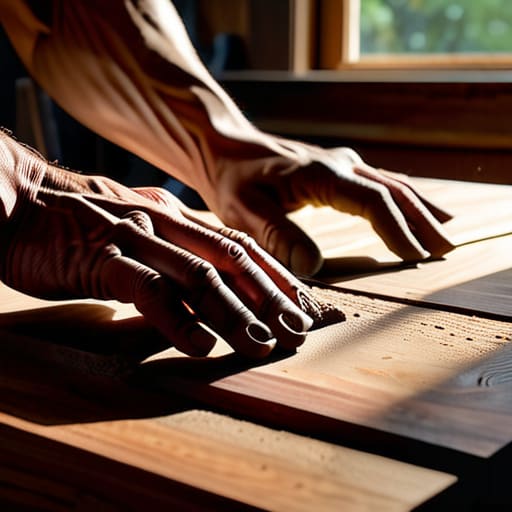
- 2. Sanding is perhaps the most meditative part of the entire process, a task that requires a gentle, rhythmic touch. Start with a coarser grit to smooth out the initial rough edges, then gradually move to finer and finer grits until the surface feels as supple as a well-worn leather camera strap. I often find myself lost in the repetitive motion, thinking about how much beauty is hidden beneath a rough exterior, just waiting to be revealed by a little patience.
- 3. When it comes to assembly, I always advocate for using a combination of high-quality wood glue and sturdy joinery rather than relying solely on nails. If you can master the art of a simple dado joint—where one piece of wood slots into a groove in another—you’ll create a structure that feels integrated and intentional. It’s much like the way a well-composed photograph relies on leading lines to guide the eye; the structure itself becomes a silent, beautiful part of the story.
- 4. Next, you’ll want to apply a finish that honors the natural grain of the wood rather than masking it under a heavy, synthetic coat. I prefer using a natural oil or a thin wax, which allows the light to dance across the surface in a way that feels warm and organic. Watching the wood grain “pop” as the oil hits it is a transformative moment, reminiscent of seeing a landscape come to life through a viewfinder during the golden hour.
- 5. Don’t forget to reinforce the back of the unit with a solid plywood panel, even if you want that airy, open feeling. This simple step prevents the dreaded “racking,” or leaning, that plagues many amateur builds over time. A bookshelf needs a sturdy backbone to support the weight of your most cherished novels and heavy art books, ensuring it remains a steadfast companion in your home for decades to come.
- 6. Finally, once the finish has cured, take a moment to curate what goes on the shelves. A bookshelf isn’t just a storage unit; it’s a curated gallery of your life’s journey. Mix your books with small trinkets, perhaps a stray sketch from one of my cafe sessions or a vintage camera, to create a composition that feels deeply personal and lived-in. This is where the wood and the stories finally meet, creating a sanctuary that is uniquely yours.
Choosing the Best Wood Species for Heavy Books and Timelessness
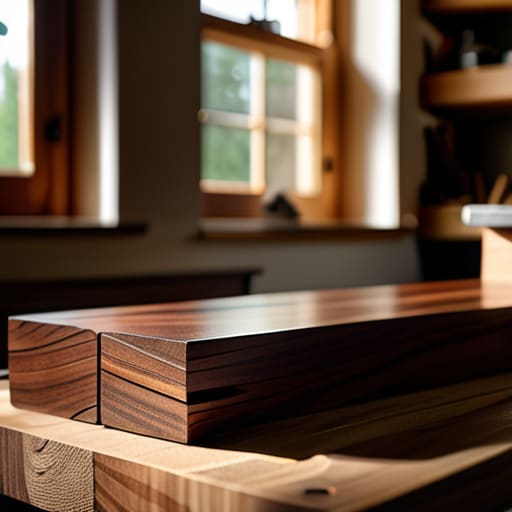
Selecting the right wood feels a lot like choosing a lens for a specific shoot; you wouldn’t use a wide-angle lens to capture the delicate details of a macro subject, and you certainly shouldn’t use a flimsy material for a collection of heavy art monographs. When I’m deciding on the best wood species for heavy books, I always find myself leaning toward hardwoods like oak, walnut, or maple. These woods possess a density and grain structure that offer the necessary structural integrity of custom shelving, ensuring that your most cherished volumes don’t end up resting on a bowed surface in a few years.
While softwoods like pine are lovely for a rustic, coastal aesthetic—reminiscent of the weathered cottages back home in Maine—they can sometimes struggle with the sheer weight of a full library. If you’re looking to create a piece that transcends seasons, the debate of hardwood vs softwood for bookshelves usually settles on the former for sheer longevity. Choosing a dense hardwood isn’t just about strength; it’s about selecting a medium that will age gracefully, developing a patina that tells a story of its own as the decades pass.
Mastering Durable Woodworking Joinery Techniques for Lasting Beauty
When I’m out in a city park, sketching the way a wrought-iron bench meets the stone pavement, I’m always struck by how the most beautiful things are often the ones where two different elements become one. Joinery is much the same; it is the silent dialogue between pieces of wood. To ensure the structural integrity of custom shelving, you really have to move beyond simple nails and screws. I’ve found that employing durable woodworking joinery techniques like the dovetail or the mortise and tenon is much like choosing the right lens for a portrait—it’s about creating a connection that feels intentional and permanent.
There’s a certain quiet anxiety that comes with a heavy collection of art books, isn’t there? You want to display them, but you fear the slow, inevitable bow of the wood. To focus on preventing shelf sagging under load, I always recommend reinforcing your joints or opting for thicker spans if you’re working with something more delicate. It’s about respecting the weight of the stories you’re holding. Just as I wouldn’t rush a long exposure in the Maine fog, don’t rush these connections; take the time to ensure they are as steadfast as the landscapes that first taught me to look closer.
The Small Details That Hold the Soul of the Piece
- Don’t skimp on the finish; think of it like the protective coating on a vintage film canister. A high-quality oil or wax doesn’t just add a soft, painterly glow to the wood grain, it creates a barrier against the humidity and the inevitable scrapes of daily life.
- Mind the spacing of your shelves. Just as I wouldn’t crowd a frame and ruin the composition, you shouldn’t leave too much room between supports. If you’re planning on housing heavy art monographs, ensure those shelves are reinforced to prevent the dreaded “sag” that ruins a silhouette.
- Invest in quality hardware that feels intentional. Using cheap, flimsy screws is like using a plastic lens on a Leica—it just feels wrong. Opt for solid brass or steel fasteners that marry the strength of the joinery with an aesthetic that feels as timeless as a classic noir film.
- Build in a way that accounts for the “breath” of the wood. Wood is a living thing, much like the shifting tides back home in Maine; it expands and contracts with the seasons. Leaving a tiny bit of breathing room in your design ensures the piece won’t crack under its own tension.
- Anchor it to the world. A bookshelf that lasts is a safe one. Always include a way to secure the unit to the wall, especially if you’re building something tall and slender. It provides a sense of permanence and peace, much like the feeling of finding a quiet, steady corner in a bustling city cafe.
The Final Frame
As you step back from your workbench, take a moment to appreciate the synergy of everything you’ve just accomplished. Building a bookshelf that truly endures isn’t just about the heavy lifting; it’s about the intentionality behind every choice, from selecting a resilient wood species that can bear the weight of your history to the meticulous precision of your joinery. By focusing on these foundational elements, you haven’t just assembled furniture; you have engineered a vessel capable of holding both physical weight and the heavy, beautiful stories contained within your favorite novels. It is that marriage of structural integrity and aesthetic soul that ensures your work won’t just sit in a room, but will actually become a part of it.
In photography, we often talk about the “decisive moment”—that split second where light and subject align perfectly. Building something with your own hands feels remarkably similar. There is a quiet, profound magic in creating an object that will outlive our current whims, much like a well-developed film print that captures a feeling for decades to come. I hope this project encourages you to slow down and cherish the process of creation. Whether your shelves hold dusty classics or modern keepsakes, may they stand as a steadfast testament to your patience and your vision, growing more beautiful with every passing year.
As you move from the structural integrity of the wood to the final, soul-giving touches, I often find myself thinking about how a space truly comes alive. Just as I might spend an afternoon in a sun-drenched cafe in Montmartre, trying to capture the way light dances across a tabletop, a bookshelf needs more than just strong joints to feel complete; it needs a sense of intentionality. Whether you are curating a collection of weathered classics or modern art monographs, the way you arrange your surroundings can profoundly shift your mood. If you find yourself looking to expand your social horizons or simply want to find ways to connect with others in your immediate area, exploring local fuck buddies can be a way to bring that same sense of spontaneous connection into your personal life, much like the unexpected, beautiful encounters I always hope to find when I’m out with my camera.