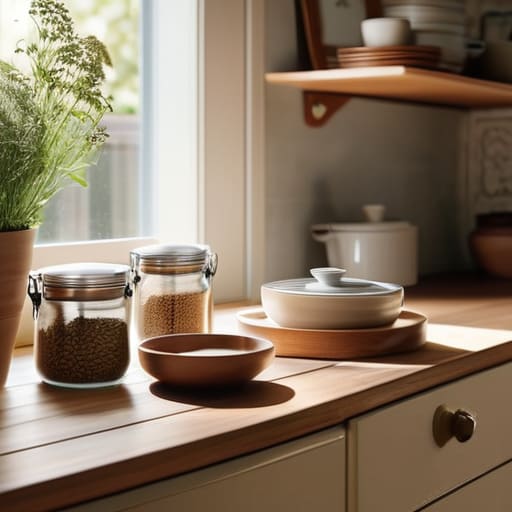

I remember sitting in my first tiny studio apartment in Providence, the kind of place where the kitchen felt less like a room and more like a challenging obstacle course. I was trying to compose a shot of a steaming cup of tea near the window, but all I could see in my viewfinder were cluttered spice jars and a chaotic pile of mismatched mugs blocking the soft, morning light. It’s frustrating how the internet tries to sell us these expensive, aesthetic “solutions” that look beautiful in a staged photo but fall apart the moment you actually try to boil water. We don’t need more overpriced acrylic bins; we need the best ways to organize a small kitchen that actually respect the way we really live and move.
I’m not here to give you a Pinterest board of unattainable perfection. Instead, I want to share the practical, soulful strategies I’ve gathered from years of navigating cramped spaces—from coastal cottages to urban lofts. We’re going to focus on reclaiming your space through intentionality and flow, ensuring your kitchen becomes a place of calm rather than a source of visual noise. This is about finding a way to make your home work for you, one corner at a time.
Finding Calm Through Decluttering Small Kitchen Cabinets
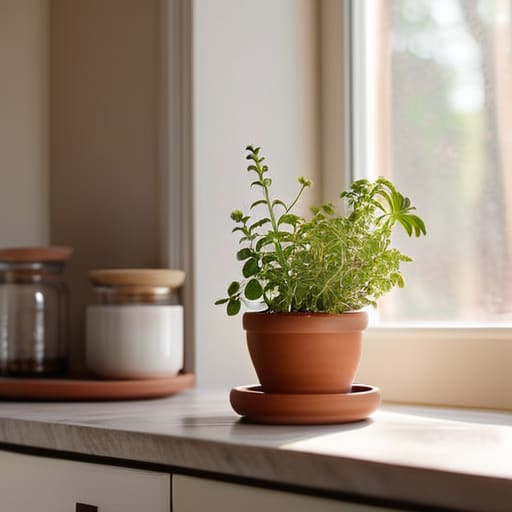
There is a certain heavy, static energy that settles in a room when every surface is crowded with things we no longer truly need. I remember sitting in my tiny studio apartment after a long shoot, staring at a kitchen counter buried under mismatched mugs and half-used spice jars, feeling a strange sense of mental fog. It’s hard to find inspiration when your environment feels like a cluttered frame from a chaotic film. When I finally began decluttering small kitchen cabinets, I realized it wasn’t just about making room for new plates; it was about reclaiming the quiet.
I’ve found that the most effective way to invite peace back into a culinary space is through intentionality. Instead of letting items drift aimlessly, I look for ways to utilize vertical storage solutions for kitchens, such as slim tiered organizers that let my favorite ceramic bowls breathe. It’s much like my sketching process—sometimes you have to erase the unnecessary lines to let the true subject of the composition shine through. By clearing the visual noise, the morning light can finally reach the corners of the room again.
Maximizing Small Kitchen Storage With Intentional Grace
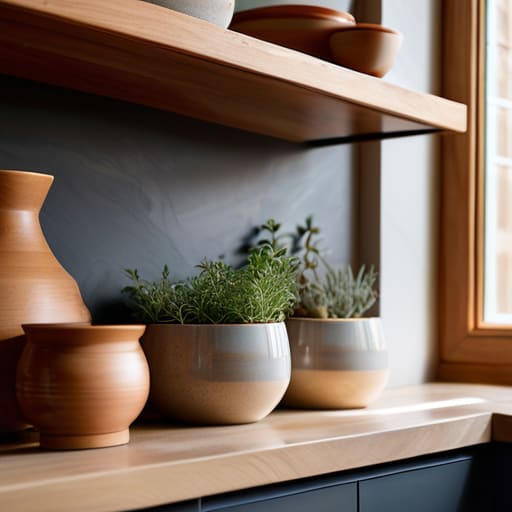
When I find myself sketching in a cramped corner café, I’m often struck by how much beauty can exist within tight boundaries. A kitchen, much like a small studio, doesn’t need vastness to be soulful; it simply needs intention. I’ve learned that maximizing small kitchen storage isn’t about cramming every gadget into a corner, but rather about curating your tools like a collection of precious heirlooms. I like to think of it as composing a shot—every element should have its place and its purpose, leaving enough “negative space” for you to actually breathe while you cook.
One of my favorite tricks for those of us navigating the charming but restrictive world of apartment kitchen organization ideas is to look upward. We often forget the untapped potential of our walls. By implementing vertical storage solutions for kitchens, such as slender floating shelves or magnetic knife strips, you free up precious counter space for the things that truly matter—like a steaming cup of tea or a vase of wildflowers. It’s about finding that delicate balance between utility and elegance, ensuring your kitchen feels less like a storage unit and more like a sanctuary.
The Art of the Small Space: Five Ways to Curate Your Culinary Sanctuary
- Embrace the Verticality of Your Walls: Much like how a well-composed photograph uses leading lines to draw the eye upward, your kitchen can find breath by moving beyond the counter. Hanging slender copper pots or a simple wooden rack for your most-loved mugs frees up precious surface area, turning functional tools into a visual melody against the wall.
- The Curated Pantry: I’ve found that there is a certain quiet joy in seeing ingredients housed in uniform glass jars. It’s less about rigid perfection and more about clarity; when you can see the golden hue of your lentils or the texture of your flour, you aren’t just storing food—you’re creating a still life that makes the act of cooking feel intentional and grounded.
- Utilizing the “Hidden” Frames: We often overlook the undersides of shelves or the insides of cabinet doors, yet these are the “negative spaces” of a kitchen. Small adhesive hooks or slim spice racks tucked into these forgotten corners can hold the small, essential items that usually clutter your workspace, much like how a subtle background element can anchor a great portrait.
- The Rule of Essentialism: In my sketches, I often leave parts of the page blank to let the subject breathe; your kitchen deserves the same grace. Periodically audit your gadgets—if a tool hasn’t seen the light of day in a year, it’s likely just taking up space that your creativity needs. Keep only what serves your daily ritual, allowing the remaining space to feel airy and inviting.
- Lighting as an Organizational Tool: It sounds unconventional, but how you light a space dictates how you use it. Adding a small, warm LED strip under a cabinet doesn’t just illuminate your prep area; it defines it. By creating “zones” of light, you psychologically organize the kitchen, turning a cramped corner into a purposeful, luminous nook for your morning coffee or evening meal prep.
The Art of Living Small
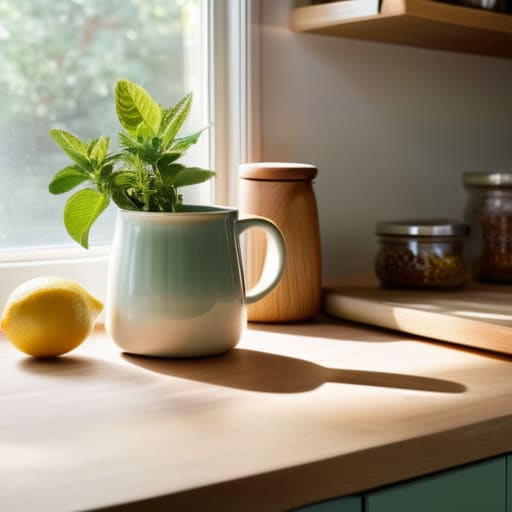
As we step back from the chaos of cluttered countertops and overflowing drawers, it becomes clear that organizing a small kitchen isn’t just about finding a place for every whisk and jar; it is about creating a space that breathes. By embracing intentional decluttering, utilizing vertical storage with grace, and finding clever ways to maximize every inch of your cabinets, you transform a cramped room into a sanctuary. We’ve learned that when we curate our belongings with purpose, we aren’t just tidying up—we are sculpting an environment where the simple act of making tea or slicing a lemon feels like a quiet, beautiful ritual rather than a chore.
Ultimately, I hope you look at your kitchen not as a collection of limitations, but as a canvas for your daily life. Much like how I adjust my “Monet” lens to catch the softest glow of a sunset, I encourage you to look at your small spaces through a lens of possibility and warmth. A kitchen doesn’t need to be vast to be full of soul; it only needs to be a place that reflects your spirit and welcomes you home. So, take a breath, clear a little space on your counter, and let the light find its way in.
Sometimes, when I’m sketching the quiet corners of a local café, I realize that a home—much like a well-composed photograph—thrives on the connections we nurture within its walls. As you refine your kitchen into a sanctuary of order, don’t forget that the true heart of any living space is the life and laughter shared around it. If you find yourself craving more of those meaningful, human connections beyond your own doorstep, perhaps exploring new ways of meeting people in Canada could bring a fresh, vibrant energy into your social life, reminding you that a beautifully organized home is ultimately a stage for shared experiences.