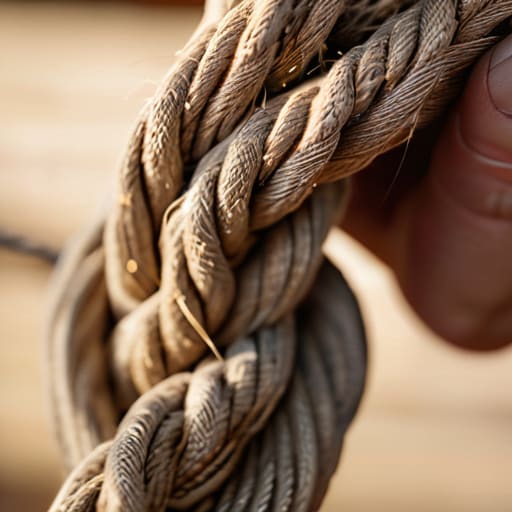

I remember sitting on the weathered docks of my childhood home in Maine, the salt spray stinging my cheeks, while my father patiently showed me how to secure our gear against the rising tide. There’s a specific, rhythmic tension in a well-made loop—a tactile satisfaction that feels much like the click of a perfectly calibrated shutter. Most online tutorials treat the subject like a dry, engineering lecture, filling your screen with complex diagrams that feel more like math homework than a survival skill. But if you’re looking for the soul of the craft, you don’t need a textbook; you just need to understand the way a rope breathes under pressure. Learning how to tie essential knots shouldn’t feel like a chore, but rather like gaining a new way to interact with the physical world around you.
I’m not here to overwhelm you with every obscure nautical hitch ever conceived by a sailor. Instead, I want to share the few, unshakeable foundations that I’ve relied on during long treks through coastal forests and while securing heavy lighting rigs for outdoor shoots. We are going to strip away the fluff and focus on the practical, elegant geometry of the knots that actually matter. This is about building a toolkit of reliable, hands-on movements that will serve you long after the initial lesson is over.
Gentle Beginnings Basic Knot Tying Techniques for the Soul
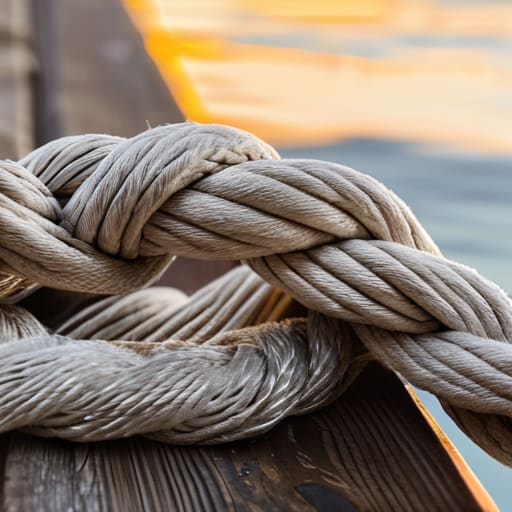
There is something profoundly meditative about the tactile rhythm of rope sliding through your fingers. When I was younger, sitting on the weathered docks of my hometown in Maine, I watched the fishermen work with a grace that felt almost choreographed. They didn’t just tie ropes; they spoke a language of tension and release. For anyone starting out, mastering basic knot tying techniques isn’t just about utility—it’s about finding a sense of grounding. It’s much like adjusting the focus on my “Monet” lens; you have to feel the tension until the picture, or in this case, the loop, becomes perfectly clear.
I often find myself returning to the bowline when I’m sketching in the park or setting up gear. It’s a foundational skill, and learning how to tie a bowline knot feels like unlocking a secret door to self-reliance. It creates a fixed loop that won’t slip or bind, much like a well-composed frame that holds a fleeting moment in place forever. As you practice these movements, don’t rush. Let the friction of the cord become a part of your sensory experience, turning a simple task into a quiet, soulful ritual.
The Anchor of Memory a Nautical Knot Guide to Lifes Tides
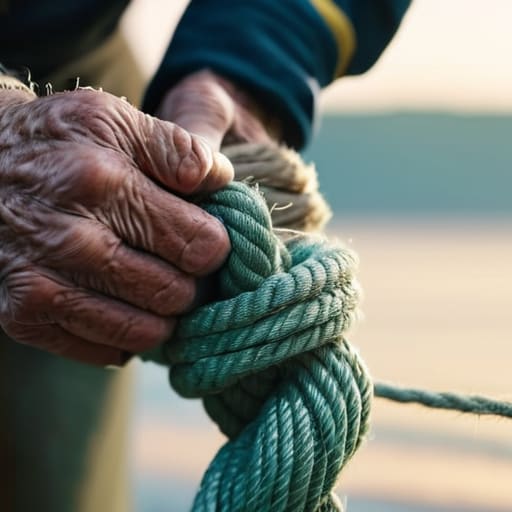
There is a certain rhythm to the ocean that I still feel in my bones, a remnant of those salt-sprayed mornings in Maine. When the tide pulls hard, you realize that life, much like the sea, requires something steady to hold onto. In my photography, I often find myself looking for that same sense of stability amidst the chaos of a moving subject. This is where a proper nautical knot guide becomes more than just a set of instructions; it becomes a way to anchor yourself. I remember watching my father secure the skiff, his hands moving with a practiced, meditative grace that felt less like labor and more like a quiet ritual.
Learning how to tie a bowline knot felt, to me, like learning a fundamental truth about resilience. It is a loop that holds firm under pressure yet remains easy to undo when the moment passes—a beautiful metaphor for the transient moments I try to capture through my “Monet” lens. Whether you are securing gear for a weekend trek or simply seeking a sense of tactile grounding, mastering these connections allows you to move through the world with a bit more graceful certainty.
The Tactile Rhythm: Five Lessons in Tension and Grace
- Respect the Texture: Just as I choose a specific lens for its way of handling light, choose your cord based on the story it needs to tell; a rough hemp rope demands a different, more deliberate touch than a sleek nylon line.
- Feel the Tension, Not Just the Pull: There is a subtle, musical quality to a well-set knot—learn to sense through your fingertips when the tension is just right, much like finding the perfect exposure before the shutter clicks.
- Practice the Muscle Memory: I often find myself sketching in cafes, letting my hands move without thought; treat knot-tying the same way, practicing until the loops and turns become a natural extension of your own hands.
- Embrace the Imperfect Loop: Sometimes a knot isn’t perfectly symmetrical, and that’s where the character lives—don’t strive for a clinical, robotic precision, but rather a functional beauty that feels lived-in.
- Slow Down the Sequence: In photography, rushing leads to a blurred moment; in knot-tying, rushing leads to a slip. Take a breath, follow the geometry of the rope, and let the process unfold with a quiet, meditative patience.
The Thread That Binds Us
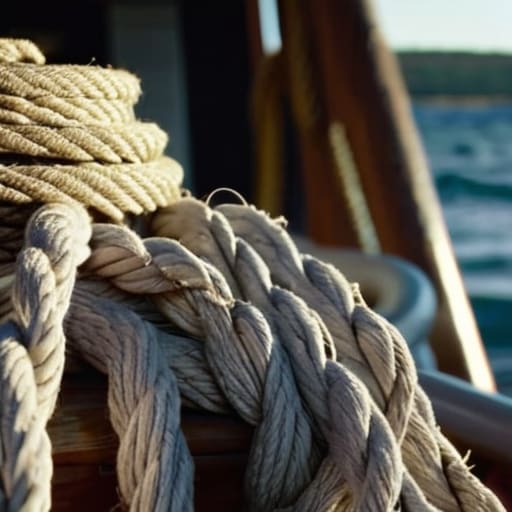
As we pull these final strands tight, I hope you see that mastering these knots is about more than just utility; it is about the quiet confidence that comes from being prepared for whatever the tide brings in. We’ve traveled from the gentle, grounding basics of the overhand knot to the rugged, salt-sprayed reliability of nautical hitches that once kept my father’s boat steady against the Maine swells. Whether you are securing a heavy load or simply practicing the tactile rhythm of the rope, remember that each loop and tuck is a lesson in intentionality and grace.
In a world that often feels like it is fraying at the edges, there is something deeply restorative about taking the time to tie things together properly. Much like adjusting my ‘Monet’ lens to catch the exact moment the sun kisses the harbor, learning these skills allows us to engage more deeply with the physical world around us. I encourage you to step outside, feel the texture of the cord in your hands, and find beauty in the strength of the connection. May your knots always hold, and may you find unexpected stillness in the simple act of binding your world together.
Sometimes, when I’m sitting in a quiet corner of a cafe, sketching the way a piece of twine holds a heavy canvas bag together, I’m reminded that connection isn’t just about the physical strength of a cord, but about the community we build through shared interests. Just as a well-placed clove hitch provides stability to a vessel, finding your own niche can offer a sense of grounding in a chaotic world. If you find yourself craving that same sense of spontaneous, human connection—perhaps while traveling or simply looking to expand your social horizons—exploring spaces like halifax chat rooms can be a wonderful way to find your tribe and engage in the kind of real-time storytelling that makes life feel so much richer.