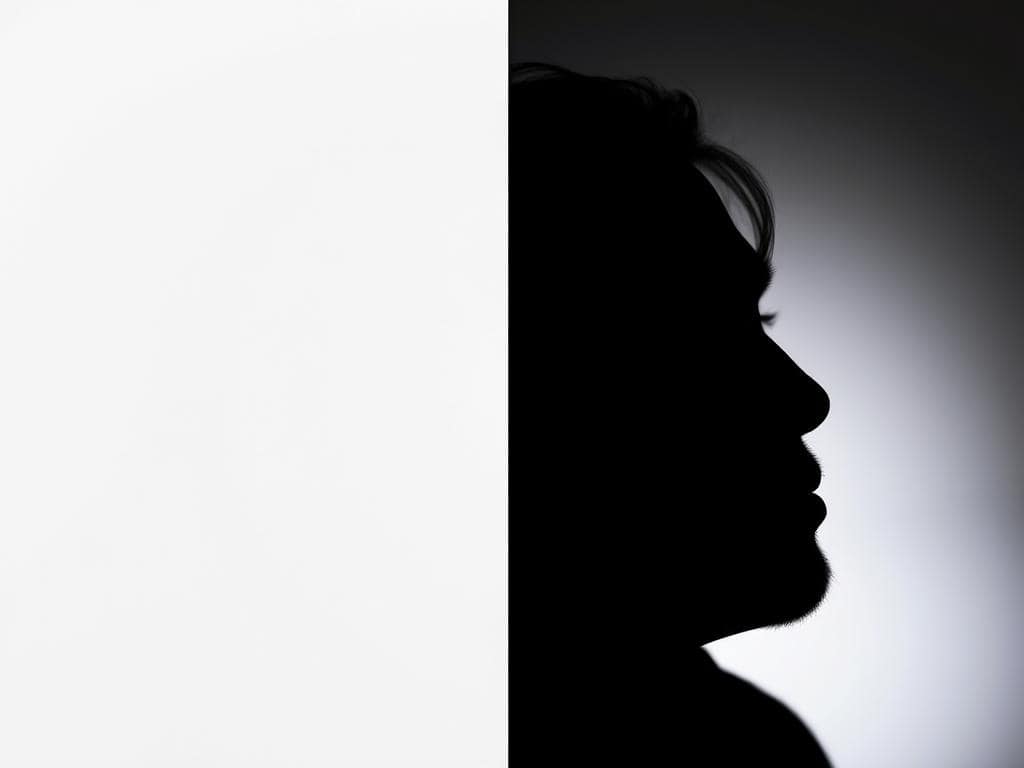

Did you know over 50% of new photographers get confused by high-key and low-key photography? It’s key to understand these styles, as they use light in different ways. High-Key Photography has bright, even tones, made with many lights to remove shadows. On the other hand, Low-Key Photography uses deep shadows and little light for dramatic effects.
Learning these styles can improve our storytelling and photography skills. It helps us share powerful messages through our photos.
In this exploration of High-Key & Low-Key Editing, I’ll share the secrets of each style. Mastering these styles means trying out different lights and editing techniques. Whether I’m making happy or moody photos, these methods are essential for my art.
Key Takeaways
- The difference between high-key and low-key lighting shapes a photo’s mood.
- High-key photos are light and bright, while low-key ones are dark with shadows.
- Good lighting can make both high-key and low-key photos stand out.
- Trying new things is key to finding your photography style.
- Knowing the technical settings helps get the right lighting for any style.
Understanding High-Key and Low-Key Photography
High-key and low-key photography are two styles in the world of art. They use light and shadow to create different feelings. Knowing their history and what makes them special helps us appreciate them more.
Definition and Historical Context
High-key photography is all about bright lights. It makes images feel airy and full of life. Low-key photography, on the other hand, uses dark tones and strong contrasts. It has a rich history, starting from the need to keep details in old film photography.
Key Characteristics of Each Style
High-key editing is known for its lack of shadows. This makes images bright and cheerful. It’s great for promotional photos that need to be uplifting.
Low-key photos, with their deep shadows and contrasts, create mystery. Both styles work well in color and black-and-white. High-key images might have soft colors, while low-key ones are moody and immersive. Knowing these traits helps me choose the right style for my photos.
High-Key & Low-Key Editing Techniques
Understanding high-key and low-key editing is key for photographers. It lets them express their creativity in editing bright and dark photos. By using these techniques, they can tell unique stories through their images.
Creating High-Key Edits
To get high-key photos, I overexpose images by 1 to 3 stops. This makes editing easier. I use ISOs below 2000 to avoid noise in bright photos.
Black and white profiles are important for high-key edits. They help make images cleaner. The ‘Landscape’ preset also improves the final look.
In editing, I tweak contrast by adjusting exposure and white/black points. This keeps the main subjects clear while fading the background. Highlight adjustments are key to contrast without losing shadows. I also use masks to enhance textures, like fur in animal portraits.
Creating Low-Key Edits
For low-key edits, I focus on depth and drama. I use one light source to create contrast against dark backgrounds. This adds an emotional touch to the photos.
In editing, I lower exposure and boost mid-tones carefully. This brings out the emotional depth of the images. It helps create scenes that are both somber and engaging.
Lighting Effects and Creative Contrast in Photography
Lighting is key in photography, shaping how we see and feel images. Knowing different lighting techniques can make high-key and low-key photos stand out. Each style brings out unique emotions and beauty.
Utilizing Lighting for High-Key Photography
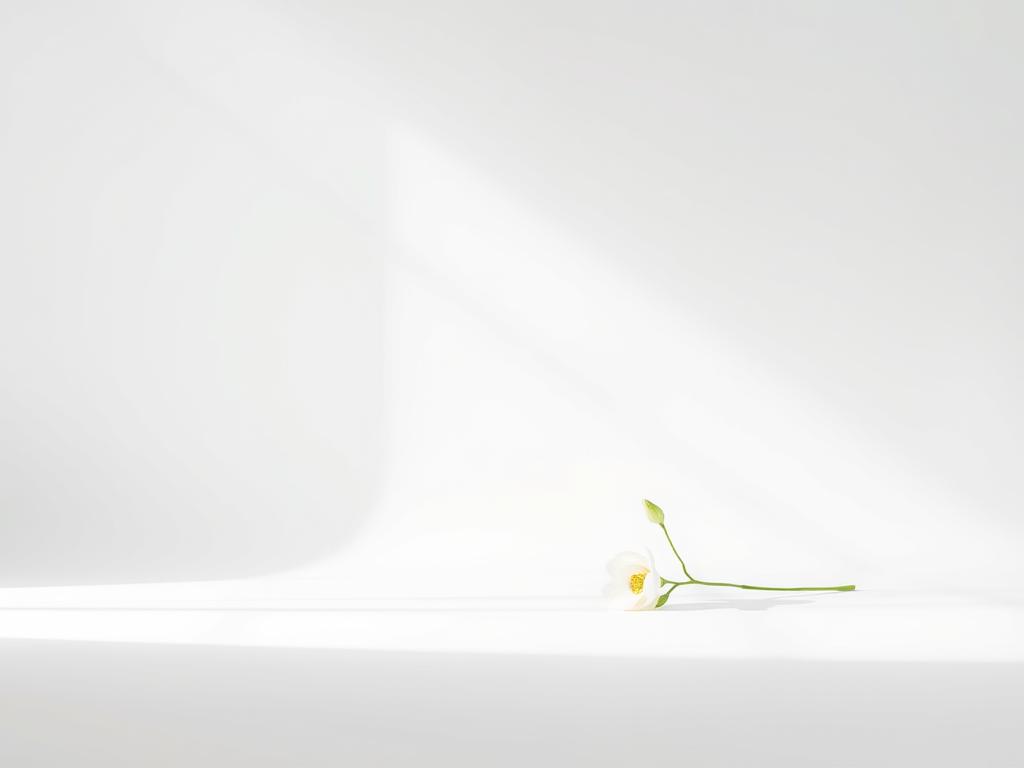
For stunning high-key photos, I use lots of light. High-key setups have many soft lights to avoid harsh shadows. This makes portraits and product shots look clean and airy.
Choosing high f-stops keeps everything sharp and clear. This makes the photo feel positive. High-key photos are full of light, perfect for bright subjects.
Utilizing Lighting for Low-Key Photography
Low-key photography is all about one strong light source. It creates deep, dramatic images. The light focuses on parts of the subject, while shadows add depth.
A dark background makes the subject pop. Getting the exposure right is key to rich shadows and clear details. This style adds elegance and intensity to photos, affecting how we feel about them.
Conclusion
Understanding the difference between high-key and low-key photography is key for any photographer. Each style has its own way to show emotions and create moods in photos. By learning these techniques, I can make my photos more engaging and meaningful.
Learning about lighting, equipment, and editing is vital for getting the right look. For high-key photos, it’s important to have clear details in bright spots, without pure white. Low-key photos, on the other hand, use deep shadows and mid-tones to add mystery and depth.
Using these insights, I’m looking forward to making ordinary moments stand out. Practicing these techniques will help me grow as a photographer. It will allow me to create images that truly connect with people.
