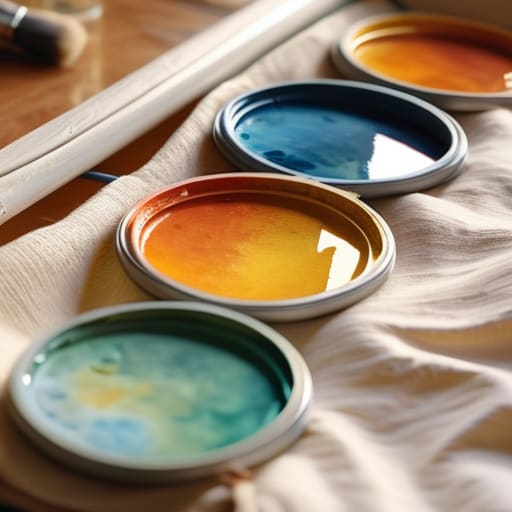

I remember sitting in a sun-drenched cafe in Montmartre last spring, my sketchbook open and my hands stained a messy, beautiful cerulean, feeling that familiar pang of frustration. I had watched so many tutorials claiming you needed a professional studio and a thousand-dollar set of pigments to truly “begin,” but as I looked at the way the light hit my coffee cup, I realized that was a lie. Most people get stuck before they even start because they’re looking for a perfect, rigid beginner guide to watercolor painting that promises total control. But watercolor isn’t about control; it’s about the graceful surrender to the water, much like waiting for the perfect, unscripted moment to click my shutter.
I’m not here to sell you on expensive kits or complicated jargon that makes art feel like a chore. Instead, I want to share the honest, messy, and deeply rewarding reality of working with pigment and flow. This isn’t a lecture; it’s a roadmap of my own trial and error, designed to help you find your own rhythm. We are going to skip the fluff and focus on the soul of the medium, learning how to dance with the light and let the colors tell their own stories.
Gathering Your Tools Essential Watercolor Supplies for Beginners
As you begin to settle into the rhythm of your practice, you might find that the most daunting part isn’t the brushwork itself, but finding those quiet, unexpected moments of inspiration that make the colors sing. I often find that my best ideas come when I step away from the easel and allow myself to simply observe the world in its rawest form. Sometimes, even a quick detour or a change of scenery—much like finding a hidden gem through burlington hookups—can provide that sudden, electric spark of connection that transforms a simple sketch into something deeply soulful. It’s all about staying open to the unexpected textures of life, letting the environment seep into your subconscious so that when you finally return to your paper, your hands already know the story they need to tell.
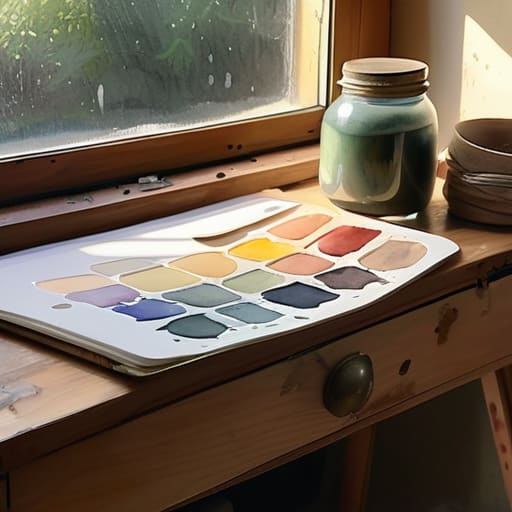
There’s a quiet magic in unboxing a new set of paints, a feeling not unlike the first time I felt the weight of a heavy DSLR in my hands back in Maine. When you’re starting out, it’s easy to feel overwhelmed by the sheer volume of gear, but you don’t need a professional studio to find your rhythm. My best advice? Focus on the essential watercolor supplies for beginners that actually speak to your intuition. A small, reliable pan set and a few synthetic brushes that hold their shape will serve you better than a mountain of mediocre tools.
The real soul of the medium, however, lies in your surface. I often tell my friends that choosing between different watercolor paper types and weights is much like choosing the right film stock; it dictates how the light and color will eventually settle. For those just beginning to explore how to control water to pigment ratio, I highly recommend a cold-pressed paper with a bit of texture. It’s forgiving, much like a soft-focus lens, allowing those beautiful, bleeding edges to bloom naturally across the page without the paper buckling under the pressure of your creativity.
Choosing Your Canvas Exploring Watercolor Paper Types and Weights
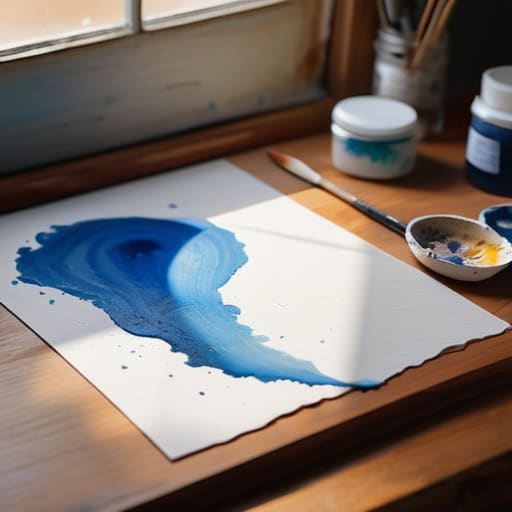
If my camera lenses are my eyes, then your paper is the very ground upon which your vision stands. Choosing between the various watercolor paper types and weights can feel a bit like wandering through a fog-drenched Maine morning—a little disorienting at first, but so full of potential. For those just starting, I always suggest looking for something with a bit of “tooth.” A cold-pressed paper offers a lovely, textured surface that catches the pigment beautifully, much like how a grainy film stock can add a sense of nostalgia to a portrait. It holds onto the water with a certain stubborn grace, which is vital when you’re first learning how to control water to pigment ratio.
Don’t be intimidated by the technical jargon, though. While a heavy 300gsm weight is your best friend to prevent the dreaded warping, the real magic lies in how the surface reacts to your brush. If you’re eager to experiment with a dreamy wet on wet vs wet on dry technique, a high-quality cotton paper will behave like a loyal companion, allowing colors to bleed and bloom just like a soft-focus lens. It’s all about finding that tactile connection between your hand and the page.
Embracing the Flow: Five Little Secrets for Finding Your Rhythm
- Let go of the need for perfection; watercolor is a dance between your intention and the water’s whims, much like waiting for the perfect, unscripted light to hit a subject in a candid street portrait.
- Master the art of the “wet-on-wet” technique to let colors bleed into one another, creating those soft, ethereal edges that feel less like a painting and more like a hazy memory from a summer afternoon.
- Think in layers rather than single strokes, building up luminosity gradually—it’s very much like developing film, where the magic happens in the subtle transitions and the patience you afford the process.
- Don’t be afraid of the “ugly stage”; every painting goes through a messy, uncertain middle part, but if you trust the pigments to settle, they will eventually find their way to something beautiful.
- Keep a small scrap of your paper nearby for testing color values, because just as I wouldn’t trust a lens without checking the focus, you shouldn’t commit to a shade until you see how it breathes on the page.
Embracing the Flow
As we wrap up this little primer, remember that you don’t need a studio full of expensive equipment to begin your journey. We’ve talked about selecting the right brushes, finding that perfect balance of pigment and water, and choosing a paper that can truly hold the weight of your creativity. It can feel a bit daunting at first—much like the first time I stepped out of my comfort zone in Maine with my father’s old film camera—but the goal isn’t perfection. It’s about understanding how your tools interact with the light and the water to create something entirely unique to you.
If there is one thing I’ve learned from years of chasing shadows and light, it’s that the most beautiful moments often happen when we let go of control. Watercolor is a bit like life; it’s unpredictable, sometimes messy, and occasionally flows in directions you never intended. Don’t be afraid to let a stray drop of blue wander across your page. Instead, view every “mistake” as a serendipitous dance of color. So, grab your palette, find a quiet corner in a sun-drenched cafe, and simply start. I can’t wait to see how you learn to see the world through your own beautiful, fluid lens.