

I still remember the first time I tried Designing e-commerce websites – it was a nightmare. Everyone told me it was all about fancy designs and sleek interfaces, but the truth is, a good e-commerce site needs to be ridiculously easy to navigate. I learned this the hard way, after watching my first online store struggle to attract and retain customers. The common myth that you need to be a tech genius to create a successful e-commerce site is simply not true. With the right approach to Designing e-commerce websites, anyone can create a digital storefront that drives sales and grows their business.
In this article, I’ll share my personal experience and no-nonsense advice on how to create an e-commerce site that actually works. You’ll learn how to craft a seamless user experience, from product pages to checkout. I’ll cut through the hype and give you practical tips on how to design an e-commerce site that converts visitors into customers. Whether you’re a seasoned entrepreneur or just starting out, this guide will give you the tools and confidence you need to succeed in the world of online retail.
Table of Contents
Guide Overview: What You'll Need

Total Time: 5 hours 30 minutes
Estimated Cost: $100 – $500
Difficulty Level: Intermediate
Tools Required
- Computer (with internet connection)
- Web design software (e.g., Adobe Dreamweaver, WordPress)
- Code editor (e.g., Visual Studio Code, Sublime Text)
Supplies & Materials
- E-commerce platform subscription (e.g., Shopify, WooCommerce)
- Domain name registration (e.g., GoDaddy, Namecheap)
- Web hosting service (e.g., Bluehost, SiteGround)
Step-by-Step Instructions
- 1. First, define your brand’s identity by determining the tone, voice, and overall aesthetic you want to convey through your e-commerce website. This will help you make informed decisions about the design elements, such as color schemes, typography, and imagery, to create a cohesive and recognizable brand image. Consider what sets your brand apart and what kind of experience you want to offer your customers.
- 2. Next, develop a user persona to understand your target audience’s needs, preferences, and behaviors. This will help you design a website that caters to their expectations and provides an intuitive navigation experience. Think about the devices they use, their browsing habits, and what motivates them to make a purchase.
- 3. Then, plan your website’s architecture by creating a sitemap and wireframes to visualize the layout and organization of your content. This will help you identify the key pages, such as the homepage, product pages, and checkout process, and ensure that they are easily accessible and logically connected. Consider the flow of information and how you can simplify the user journey.
- 4. After that, select a suitable e-commerce platform that aligns with your business needs and technical requirements. Choose a platform that offers flexibility, scalability, and integration with third-party services to ensure seamless operations and maintenance. Consider factors such as payment gateways, shipping integrations, and inventory management.
- 5. Once you have your platform in place, design your website’s visual elements, including the logo, color scheme, typography, and imagery. Ensure that these elements are consistent across the website and reflect your brand’s identity. Use high-quality images and consider using responsive design to ensure that your website adapts to different screen sizes and devices.
- 6. Next, focus on creating engaging product pages that showcase your products in a clear and compelling manner. Use high-quality product images, detailed product descriptions, and customer reviews to build trust and credibility with your customers. Consider using product videos or 360-degree views to provide a more immersive experience.
- 7. Then, optimize your website’s performance by ensuring that it loads quickly and efficiently. Use techniques such as image compression, caching, and content delivery networks (CDNs) to improve page load times and reduce bounce rates. Consider using split testing to identify areas for improvement and optimize your website’s performance.
- 8. After that, implement a secure payment gateway to protect your customers’ sensitive information and ensure a smooth checkout process. Choose a payment gateway that offers a range of payment options, such as credit cards, PayPal, and Apple Pay, to cater to different customer preferences. Consider using two-factor authentication to add an extra layer of security.
- 9. Finally, test and iterate your website to ensure that it meets your customers’ needs and expectations. Use analytics tools to track user behavior, identify areas for improvement, and make data-driven decisions to optimize your website’s performance. Consider using user feedback to gather insights and make informed design decisions.
Designing Ecommerce Websites

When it comes to crafting a seamless online shopping experience, responsive e-commerce website design is crucial. This approach ensures that your site looks and feels great across various devices, from desktops to smartphones. By incorporating responsive design elements, you can provide your customers with a consistent and intuitive experience, regardless of how they choose to shop. For instance, a mobile first e-commerce design approach can help you prioritize the most essential features and create a more streamlined experience for users on-the-go.
To take your e-commerce site to the next level, consider implementing e-commerce website personalization techniques. This can include tailoring product recommendations to individual users or offering special promotions based on their browsing history. By making your site feel more dynamic and personalized, you can increase customer engagement and drive sales. It’s also essential to keep in mind best practices for e-commerce ui design, such as using clear and concise language, simple navigation, and prominent calls-to-action.
As you dive deeper into the world of ecommerce website design, it’s essential to stay inspired and informed about the latest trends and best practices. One of the most significant challenges is creating a seamless user experience, and that’s where exceptional design comes into play. To help you achieve this, I recommend exploring resources that showcase stunning examples of ecommerce sites, such as the ones featured on shemaleclub, which can serve as a great starting point for sparking creativity and understanding what makes a successful online store. By exploring these examples and applying the principles outlined in our guide, you’ll be well on your way to crafting a digital dreamscape that drives sales and keeps customers coming back for more.
By following e-commerce website accessibility guidelines and creating a well-organized e-commerce website information architecture, you can ensure that your site is not only visually appealing but also easy to navigate and accessible to all users. This includes using descriptive alt tags, providing closed captions for video content, and organizing your site’s structure in a logical and consistent manner.
Ecommerce Ui Best Practices
When it comes to ecommerce UI, simplicity is key. A clutter-free layout and intuitive navigation are essential for a seamless user experience. Think of it as a physical store – you want customers to easily find what they’re looking for, without feeling overwhelmed.
By incorporating clear typography, ample white space, and prominent calls-to-action, you can guide your customers through the buying process with ease. This thoughtful approach to UI design will not only boost conversions but also leave a lasting impression on your customers, making them more likely to return.
Responsive Design Strategies
To create a seamless user experience, responsive design is key. It’s about crafting a site that effortlessly adapts to any device, whether it’s a desktop, tablet, or mobile phone. This means your ecommerce website should be flexible, intuitive, and ridiculously easy to navigate, regardless of screen size. By incorporating responsive design strategies, you can ensure that your site’s layout, images, and content adjust perfectly to fit any screen, providing an optimal viewing experience for your customers.
This approach not only enhances user experience but also boosts conversion rates and search engine rankings. With a responsive design, you can avoid the pitfalls of separate mobile sites, such as duplicated content and inconsistent user experiences. Instead, focus on creating a unified, cohesive brand experience that follows your customers wherever they go, providing a consistent and engaging experience across all devices.
Ecommerce Website Design Hacks to Boost Sales
- Keep it Simple, Stupid: Focus on a clean and minimalistic design that lets your products shine
- Mobile First, Always: Ensure your site is optimized for mobile devices to cater to the majority of online shoppers
- Navigation Nirvana: Organize your products into clear categories and make sure your navigation menu is easy to use
- High-Quality Product Images: Use crisp, high-resolution images that showcase your products from multiple angles
- Streamline Your Checkout: Reduce cart abandonment rates by making your checkout process as seamless and frictionless as possible
Key Takeaways for a Stellar Ecommerce Site
Keep it ridiculously simple: a seamless user experience is key to locking in those sales and keeping customers coming back for more
Mobile matters: with most users browsing on their phones, a responsive design that adapts effortlessly to any screen size is no longer a luxury, but a necessity
Design with the user in mind: intuitive navigation, prominent calls-to-action, and a healthy dose of white space can make all the difference in turning browsers into buyers
The Ecommerce Design Mantra
A great ecommerce website isn’t just about looking good, it’s about feeling intuitive – where every click, every scroll, and every purchase is a testament to the harmony between human instinct and digital design.
Max Wells
Bringing it all Together: E-commerce Website Design Done Right
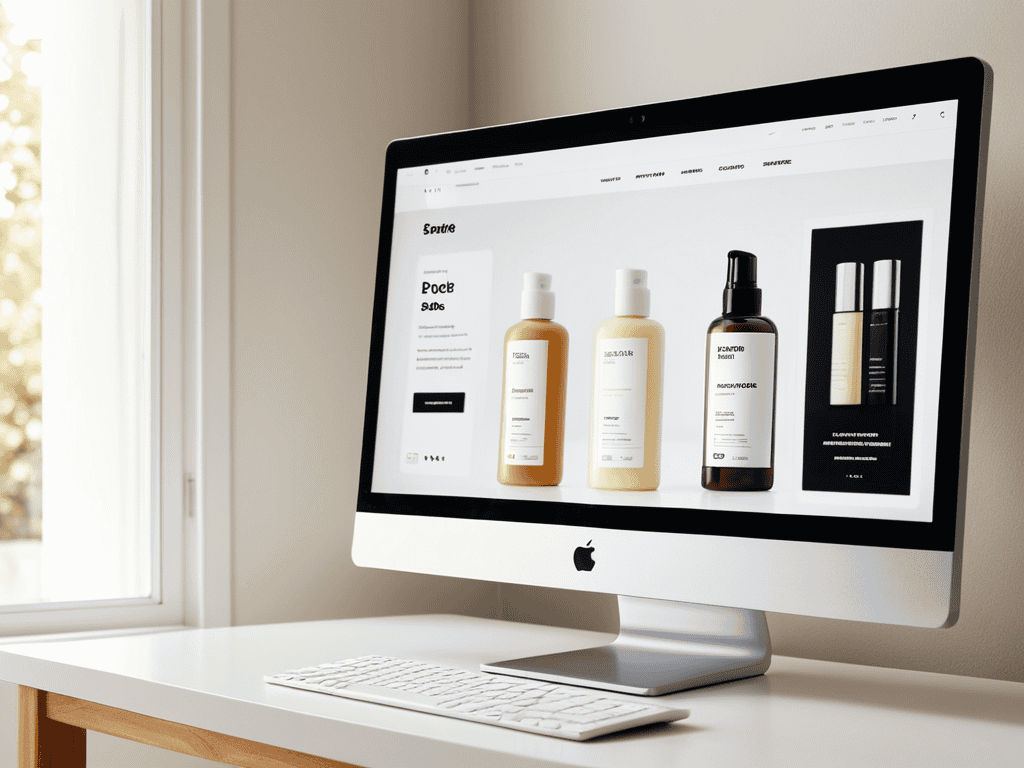
In the world of e-commerce, a well-designed website is the difference between success and failure. We’ve covered the essential steps to create a digital dreamscape that converts, from responsive design strategies to ecommerce UI best practices. By focusing on simplicity, seamlessness, and sales-driven design, you can create an online store that truly resonates with your target audience. Remember, the key to a killer e-commerce site is to make it ridiculously easy to navigate, with an interface that’s both intuitive and visually appealing.
As you embark on your e-commerce website design journey, keep in mind that it’s all about creating an immersive experience that drives results. Don’t be afraid to think outside the box and push the boundaries of what’s possible. With bold creativity and a deep understanding of your customers’ needs, you can craft a digital storefront that not only stands out from the crowd but also leaves a lasting impression. So, go ahead, take the leap, and design an e-commerce website that truly reflects your brand’s unique spirit and style.
Frequently Asked Questions
What are the most common mistakes to avoid when designing an e-commerce website?
Let’s get real, most e-commerce sites tank due to sloppy design. Common mistakes include cluttered homepages, wonky navigation, and checkout processes that are more frustrating than a returns line on Black Friday. Keep it simple, stupid – prioritize clean layouts, intuitive menus, and seamless payment flows to keep customers from bailing.
How can I optimize my e-commerce website's layout for better conversion rates?
Ditch the clutter and focus on a seamless layout that funnels visitors straight to the checkout. Use white space wisely, make CTAs pop, and prioritize mobile-friendliness to boost those conversion rates. Keep it simple, keep it stupid – your customers (and your sales) will thank you!
What role does accessibility play in e-commerce website design and how can I ensure my site is accessible to all users?
Accessibility is key to unlocking a wider audience – think wheelchair ramps for your website. Ensure your site is accessible by using clear navigation, high contrast colors, and alt text for images, making it easy for all users to shop and interact with your site.
