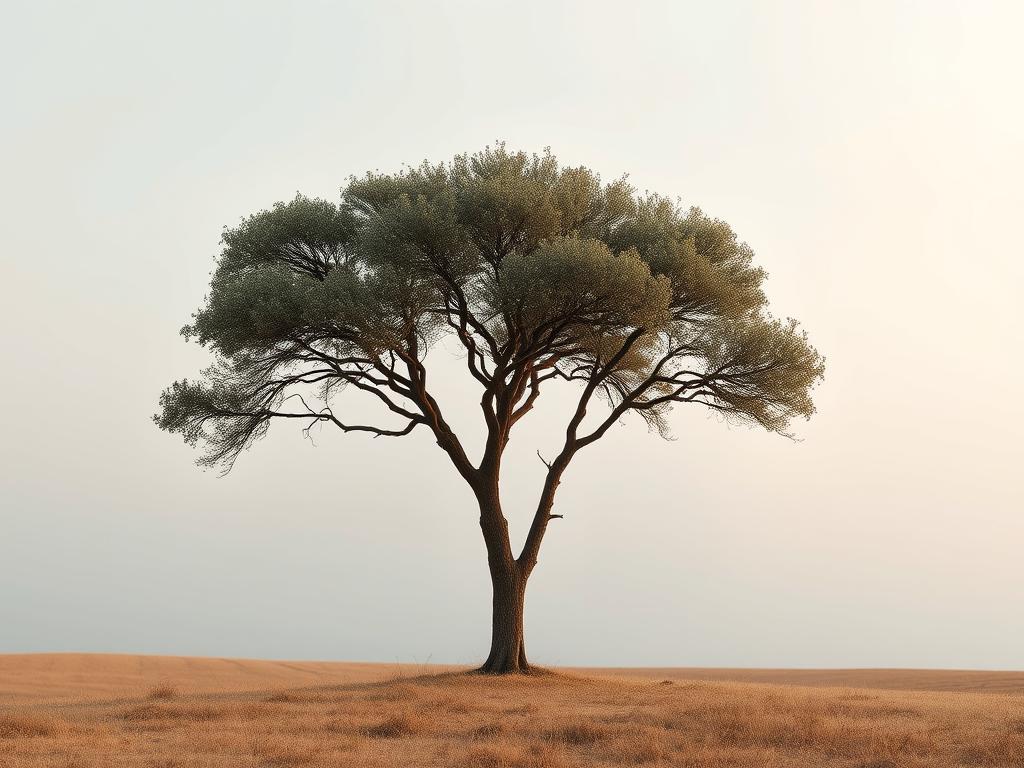

Did you know Getty Images named “Clean Slate” a top trend in commercial photography last year? This shows a growing interest in minimalist images. It reflects a cultural shift towards simplicity and decluttered living. Minimalist photography offers a calm visual experience, perfect for our busy social media lives.
Minimalist photography is more than a trend; it has roots in the 1960s art movement. Artists like Donald Judd and Frank Stella focused on simple shapes. This idea has shaped photography today, making it possible to express complex ideas simply.
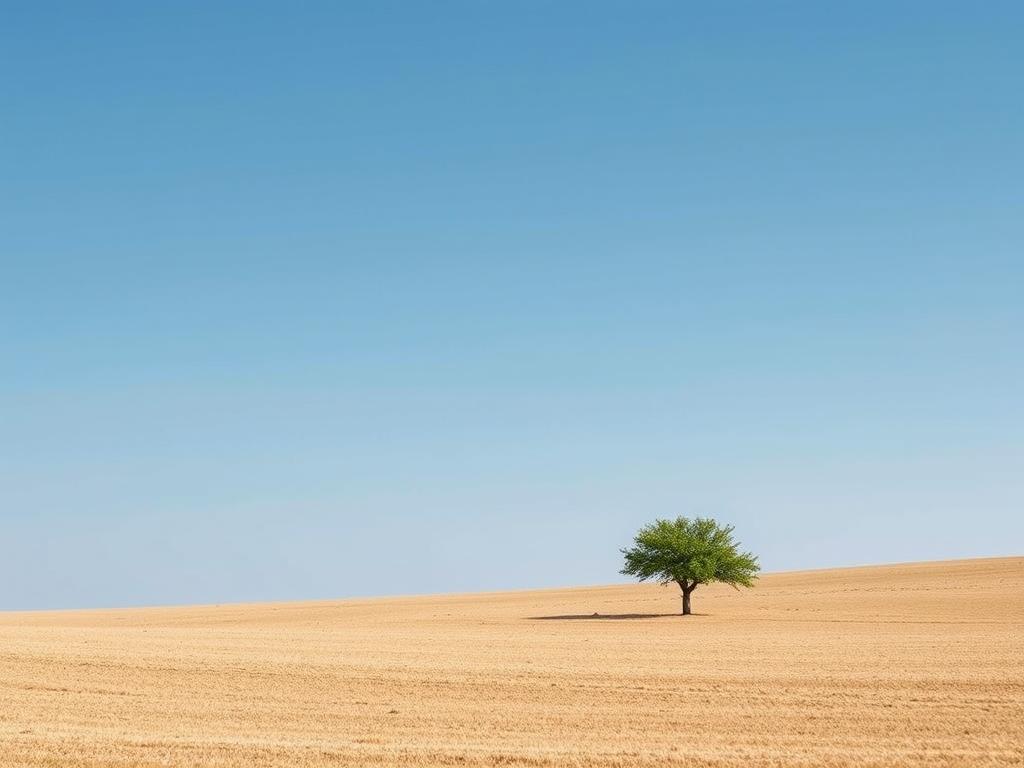
Minimalist photos often use negative space to make subjects stand out. This empty space gives us a break from the constant information we see. The “tiny person, big landscape” image is a great example of how negative space adds depth and scale.
Photographers also use longer exposures to create smooth textures. This turns everyday scenes into abstract art. It’s a perfect way to show simplicity in photography, making ordinary things look striking.
Key Takeaways
- Increased buyer interest in minimalist imagery as seen with Getty Images’ “Clean Slate” trend.
- Influence from the 1960s minimalist art movement stressing simple shapes and forms.
- Use of negative space to highlight subjects and offer visual relief.
- Longer exposures to achieve smooth textures, making scenes abstract.
- Popularity of the “tiny person, big landscape” motif showing effective negative space use.
The Power of Simplicity in Photography
Minimalist photography is more than a trend. It’s a deep way to focus on what’s important. It makes images clear and engaging.
Why Less Is More
The idea “less is more” is key in minimalist photography. It means focusing on one thing and removing distractions. This makes images that touch the heart.
Simple pictures can stir strong feelings. They make the main subject stand out more. An empty space around the subject adds to its beauty.
Historical Context
Minimalist photography has been loved for telling stories simply. It started in the early 20th century with Henri Cartier-Bresson. His work showed that simple images can be powerful.
This style has been used in many types of photography. It shows its appeal across different styles.
Impact and Engagement
Simplicity in photography grabs viewers’ attention. It makes images mysterious and invites deeper thinking. Pictures with empty space are often remembered better.
Photographers use natural light and simple colors to make striking images. This way, they create photos that people want to see and share. The power of simplicity in photography is clear, touching hearts worldwide.
Minimalist Photography Guide: Tips and Techniques
Mastering minimalist photography is about finding the right balance. It’s about simplicity and visual interest. Here are some key tips and techniques to improve your skills.
Finding Your Subject
Finding a good subject is key in minimalist photography. The setup is simple, so the subject must stand out. It could be a single tree or an object on a plain background.
The subject should grab your attention right away. Using long exposure times can smooth out textures. This creates a calm, minimalist look.
Rule of Thirds
The rule of thirds is a basic technique. It makes your photos more interesting. Place your subject at the points where lines meet, both horizontally and vertically.
This creates a balanced image. It can make your photos 65% more engaging.
Using Negative Space
Negative space is vital in minimalist photography. It highlights the subject and makes the photo more impactful. Using negative space can take up to 50% of the image.
It focuses the viewer’s attention on the subject. Having plenty of empty space around the subject avoids clutter.
Color and Contrast
Color contrast can really make a minimalist photo pop. Using fewer than five colors creates a unified look. Monochrome images or complementary colors like red and green add depth and emotion.
Converting images to black and white can also reduce distractions. It highlights form and composition.
Creating Stories Through Minimalist Photography
Storytelling in photography is very powerful, and minimalist photography is a key part of it. By using less, we can show more emotions and stories in our photos. This way, each photo becomes more memorable and engaging.
Emotional Impact
Minimalist photography uses negative space to let subjects breathe and focus the viewer’s eye. This makes the emotional impact of photos stronger. It also helps by using simple colors, which highlights textures and details.
Ansel Adams showed how big themes can fit into minimalist photography. His work is emotionally powerful and shows the beauty of simplicity.
“The emotion must come from seeing something whole and complete, then the details can come after.” — Ansel Adams
Examples from Renowned Photographers
Photographers like Michael Kenna use minimalist principles well. His photos are calm and vast, thanks to long exposure. Hiroshi Sugimoto captures time and space in a simple yet deep way.
Ruth Bernhard’s black and white photos of the human form show the beauty of balance and organization. These photographers show that minimalist photography can tell powerful stories.
Studies show that photos with lots of negative space can grab viewers’ attention by up to 25%. This shows how effective minimalist photography can be in telling stories.
Conclusion
Minimalist photography shows its strength by capturing the essence of subjects clearly and emotionally. It has been popular for decades, showing the beauty in simplicity. It uses interesting subjects, color, and contrast to tell powerful stories.
This style grabs attention quickly, as studies show. It uses the rule of thirds and framing to connect with viewers. By focusing on what’s important, it creates a strong bond between the viewer and the subject.
Textures, patterns, and lines help guide the viewer’s eye. A good minimalist photo balances these elements well. It works in many settings, from cities to nature, allowing for endless creativity.
When you dive into minimalist photography, look for simple yet powerful moments. Use these insights to make images that grab and hold attention. By doing so, you’ll connect with your audience on a deeper level. This way, your photos become more than just pictures; they tell stories and evoke feelings.
