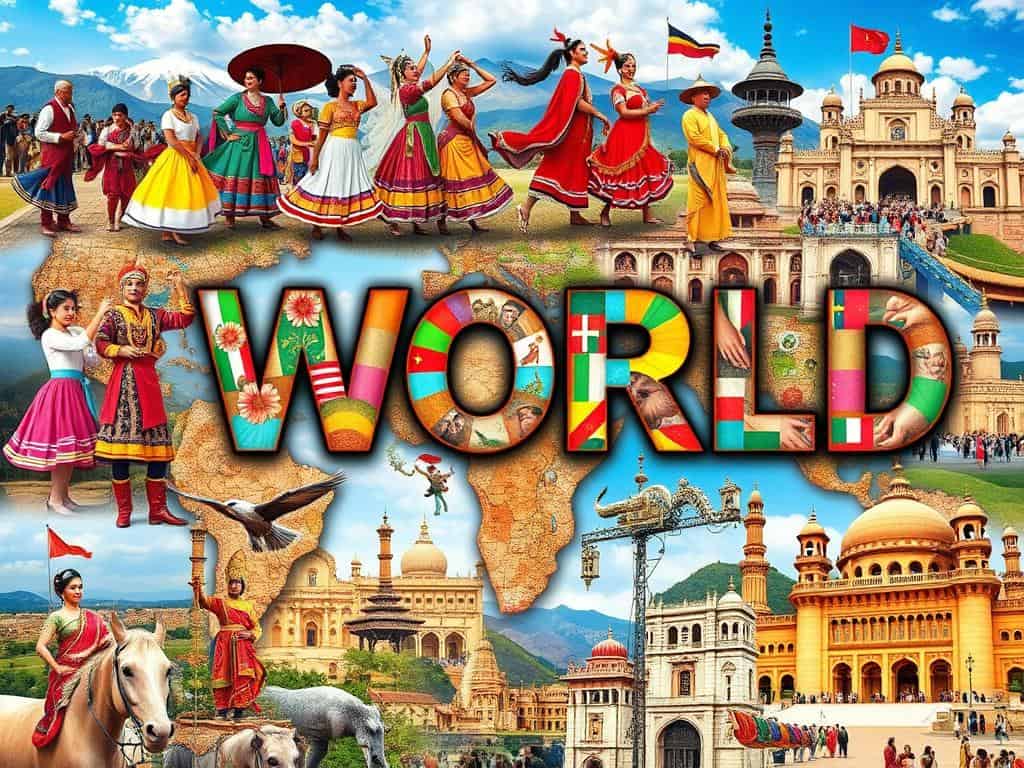

Did you know in the UK, couples freeze their wedding cake’s top tier? They eat it a year later for good luck? This is just one of many cultural traditions that make our world rich. From unique wedding customs to food festivals, these practices show the diversity of human experiences.
They help us connect with our roots and each other. Let’s dive into these amazing traditions that highlight the beauty of global culture.
Key Takeaways
- Cultural traditions reflect the unique identity of societies and help preserve their heritage.
- Food festivals and culinary customs are integral parts of global cultural practices.
- Weddings around the world feature diverse rituals, from cake freezing in the UK to red dresses in China.
- The significance of various symbols, such as the magpie feather, highlights the differing beliefs across cultures.
- Rituals, like communal eating, foster connections and reflect local practices.
- Exploring these traditions enhances our appreciation of the complexities and richness of global culture.
Understanding Cultural Traditions
Culture is a mix of ideas, beliefs, customs, and social behaviors that define certain groups. It shows what makes a community special, focusing on tradition. Traditions are practices and events passed down through generations, shaping our view of culture and belonging.
Defining Culture and Tradition
Traditions help connect us to our roots and heritage, forming our cultural identity. Customs can become traditions over time through repetition and importance. Knowing this helps us understand how cultures change and survive, even with globalization.
Keeping cultural traditions alive is key to linking future generations to their heritage.
The Importance of Cultural Identity
A strong cultural identity brings belonging and purpose to communities. Embracing our traditions gives us power, unity, and pride. These shared customs create lasting bonds, reminding us of our origins.
Preserving our cultural identities is critical today. Modernization brings challenges, but our heritage offers comfort and continuity for the future.
Unique Cultural Traditions
Exploring unique cultural traditions shows us many ways to celebrate food and customs. Food festivals are key, bringing together local flavors and community spirit. In the United States, Thanksgiving is all about family and food, like roasted turkey and pumpkin pie.
The Chinese New Year is another big celebration. It’s a time for families to come together and enjoy traditional foods like dumplings. This festival usually happens between late January and mid-February.
Culinary Traditions and Food Festivals
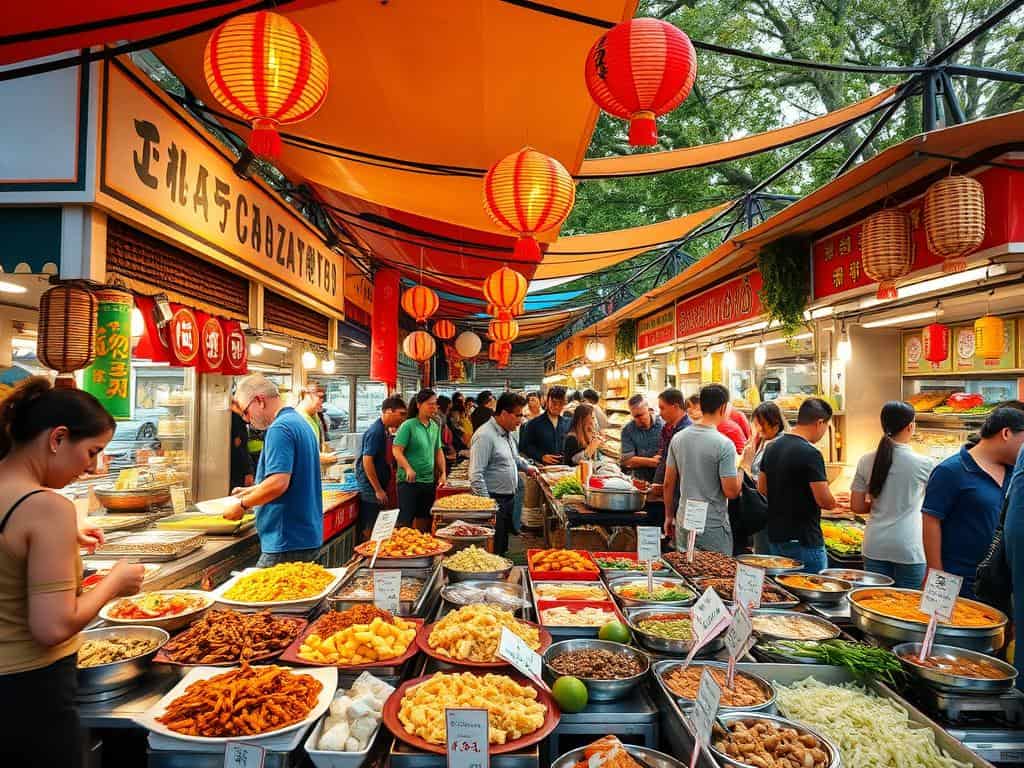
Food festivals are a big deal for cultural diversity. They highlight unique flavors and dishes. La Tomatina in Spain, for example, is a huge event that celebrates food and community.
In Brazil, Carnival is all about music and food. It’s a time of tropical flavors and fun. The Mid-Autumn Festival in September or October is another chance for families to come together and enjoy mooncakes.
Celebrations and Holiday Customs
Worldwide, celebrations show off holiday customs that bring people together. Holi in India is a colorful festival that celebrates diversity. It happens in late February or early March.
Día de los Muertos in Mexico honors loved ones with altars and food. It’s a time of remembrance and celebration. These events show the importance of community and heritage.
Rituals and Ceremonies Across the Globe
Cultural rituals and ceremonies highlight the importance of life events and beliefs. In Japan, the Obon Festival honors ancestors with family gatherings. It’s a time to connect with spiritual lineage.
In India, baby tossing is a unique custom that celebrates life milestones. These rituals strengthen community bonds and keep traditions alive.
Fascinating Facts about Cultural Customs
There are many interesting facts about cultural customs. In Finland, saunas are a sign of successful business meetings. In Hungary, clinking glasses after a defeat was once avoided, but it’s now back in practice.
In Japan, bowing is a common greeting. In France, the number of cheek kisses varies. These customs show the richness and diversity of cultures.
Conclusion
Cultural traditions are key in shaping who we are and bringing us together. They include food festivals, holiday celebrations, and unique rituals. These customs celebrate the rich diversity of human life.
They tell us about our history and share the values of our communities. By understanding and valuing cultural heritage, we show respect and empathy for each other. This makes our world a richer place.
Preserving these traditions is important for future generations. It lets them connect with their roots and appreciate the global culture. It’s our duty to keep these customs alive, even as the world changes.
