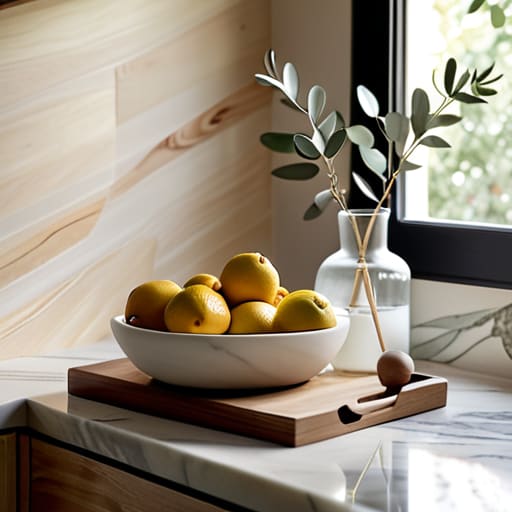

I remember sitting in my first studio apartment in Portland, the morning light hitting a stack of mismatched ceramic bowls that seemed to be staging a coup against my limited counter space. I was trying to capture the perfect shot of a steaming cup of coffee, but all I could see was the visual noise of clutter encroaching on my frame. It’s a frustrating reality: we are constantly told that the secret to a functional home is a massive renovation or a suite of expensive, color-coded acrylic bins that look pretty in a magazine but fail the moment you actually try to cook a meal. Most advice on how to organize a small kitchen feels like it’s designed for a showroom, not for a life that is actually being lived.
Sometimes, when the clutter feels a bit too heavy and the visual noise starts to drown out the quiet joy of cooking, I find myself needing a moment of pure, unfiltered connection to reset my perspective. It’s much like when I’m stuck on a difficult sketch and need to step away from the easel to find inspiration elsewhere; a little bit of human conversation can work wonders for clearing the mental fog. If you find that your space—and your mind—needs a bit of a breather, I’ve often found that engaging in a lighthearted ukmilf chat can be a lovely way to recenter your spirit before diving back into the task of making your home feel like a sanctuary again.
I’m not here to sell you on a lifestyle of sterile perfection or unnecessary gadgets. Instead, I want to help you find the quiet composition within your own four walls. I’ll be sharing the practical, lived-in methods I’ve used to turn cramped corners into intentional spaces, focusing on how to maximize every inch without losing the soul of your home. We are going to strip away the hype and focus on honest, spatial harmony that works for your real, messy, beautiful daily routine.
Finding Grace Through Small Kitchen Storage Solutions
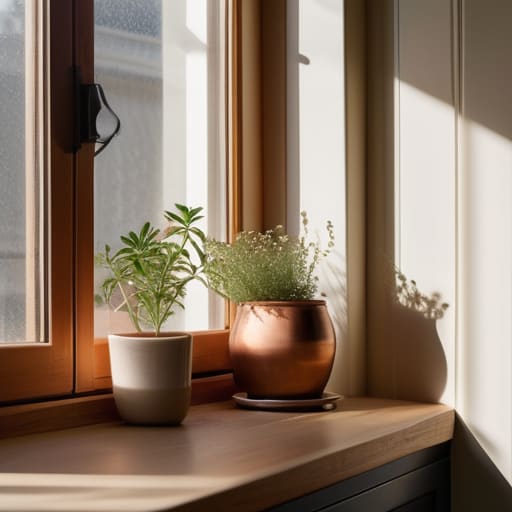
I remember sitting in a sun-drenched cafe in Montmartre last spring, sketching the way the light danced across mismatched ceramic mugs. It struck me then how much beauty can exist in a cramped, lived-in space if you simply learn to frame it correctly. When it comes to your own home, finding grace in a tiny culinary nook often starts with looking upward. I’ve found that embracing vertical storage ideas for kitchens—like hanging copper pots or installing slim floating shelves—can turn a cluttered corner into a curated gallery of your favorite tools.
It’s about more than just utility; it’s about creating a sense of visual breathing room. Instead of letting your counters become a graveyard for appliances, I lean heavily on countertop decluttering strategies to keep the surfaces clear for the things that actually spark joy, like a steaming cup of tea or a fresh bouquet of wildflowers. By focusing on maximizing cabinet space through clever dividers and tiered organizers, you aren’t just tidying up; you are composing a scene where every object has its rightful place in the light.
Maximizing Cabinet Space Like a Canvas of Light
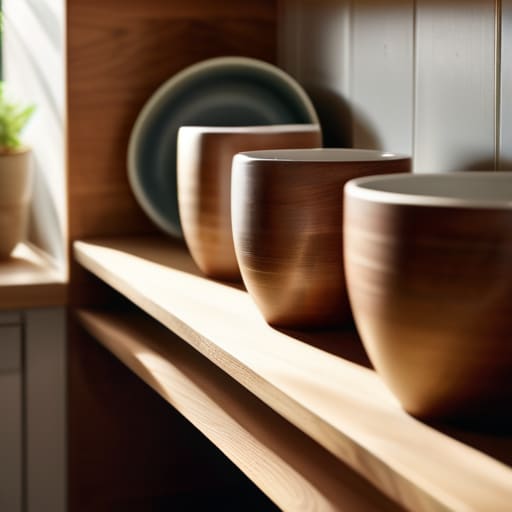
When I look at a cluttered cabinet, I don’t just see a mess; I see a composition that has lost its focal point. It’s a bit like a landscape painting where the foreground is too crowded to let the horizon breathe. To fix this, I’ve started treating maximizing cabinet space as an exercise in layering. I use tiered risers for my mugs and bowls, creating a sense of depth that mimics the way a cinematographer might stack elements in a frame. By utilizing these little steps, you aren’t just stacking dishes; you’re creating a visual rhythm that makes even the most cramped cupboard feel intentional and airy.
I’ve also found that the secret to a peaceful kitchen often lies in looking up. I’ve leaned heavily into vertical storage ideas for kitchens, installing slim racks and magnetic strips that draw the eye upward, much like the soaring lines in a Gothic cathedral. This keeps the heavy lifting off your counters, allowing the natural light to spill across your workspace rather than getting caught in a sea of appliances. It turns the kitchen from a place of chaos into a curated gallery of the things you use every day.
Compositional Secrets: Five Ways to Frame Your Kitchen with Purpose
- Treat your countertops like a minimalist landscape; just as I wouldn’t clutter a frame with unnecessary distractions, try to keep only your most beautiful or frequently used tools on display, letting the rest retreat into the shadows of your cabinets.
- Utilize vertical space as if you were layering a painting; installing floating shelves or hanging racks allows you to build upward, creating a sense of depth and keeping your essential items within reach without crowding the floor.
- Group your items by “color palettes” or function to create visual rhythm; tucking your spices into a uniform set of jars or grouping tea canisters together turns mundane storage into a curated vignette that feels intentional rather than chaotic.
- Embrace the “negative space” of your drawers with modular dividers; much like the way a well-placed shadow defines a subject in a photograph, these organizers create boundaries that prevent the visual noise of a jumbled utensil drawer.
- Capture the light by using clear containers for dry goods; seeing the textures of grains, pasta, and legumes is much like seeing the brushstrokes in a Monet—it adds a layer of organic beauty and practical clarity to your pantry.
Finding the Stillness in the Chaos
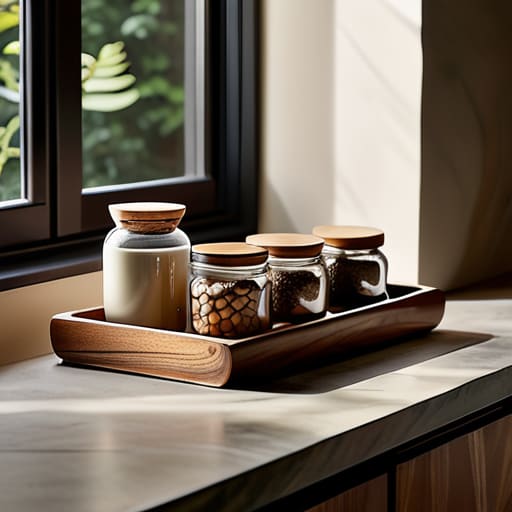
As we look back at the journey of transforming this cramped corner of our homes, it becomes clear that organizing a small kitchen isn’t just about fitting more spice jars into a drawer or stacking plates with mathematical precision. It is about the intentionality of creating space for life to happen. By finding grace in clever storage solutions and treating our cabinet space like a canvas of light, we have moved away from the cluttered overwhelm that often stifles our morning coffee or our late-night conversations. We have learned that even in the tightest frames, there is a way to curate a sense of balance that allows the eye—and the mind—to rest.
Ultimately, I hope you see your kitchen not as a series of logistical puzzles to be solved, but as a living, breathing part of your personal narrative. Much like a well-composed photograph, the beauty of a small space lies in what you choose to highlight and what you choose to let fade into the background. Don’t be afraid to let your kitchen evolve; let it be a place of quiet, organized beauty that welcomes you back at the end of a long day. Remember, the goal isn’t perfection, but rather capturing the light in the everyday moments that make a house feel like a home.