

I still remember the first time I binge-watched a true crime documentary series – it was like a guilty pleasure that I couldn’t get enough of. But as I delved deeper into the world of true crime content, I started to wonder about the ethics of true crime consumption. Are we, as viewers, crossing a line by obsessing over someone’s darkest moment? The ethics of true crime consumption is a complex issue, and one that I believe deserves a more nuanced discussion.
As someone who’s spent countless hours consuming true crime content, I want to offer a no-nonsense look at the moral implications of our fascination with these stories. In this article, I’ll share my personal thoughts and experiences on the ethics of true crime consumption, without sugarcoating or beating around the bush. My goal is to provide a honest and straightforward exploration of this topic, one that will make you think critically about your own consumption habits and the potential consequences of our collective obsession with true crime.
Table of Contents
Killer Content Ethics
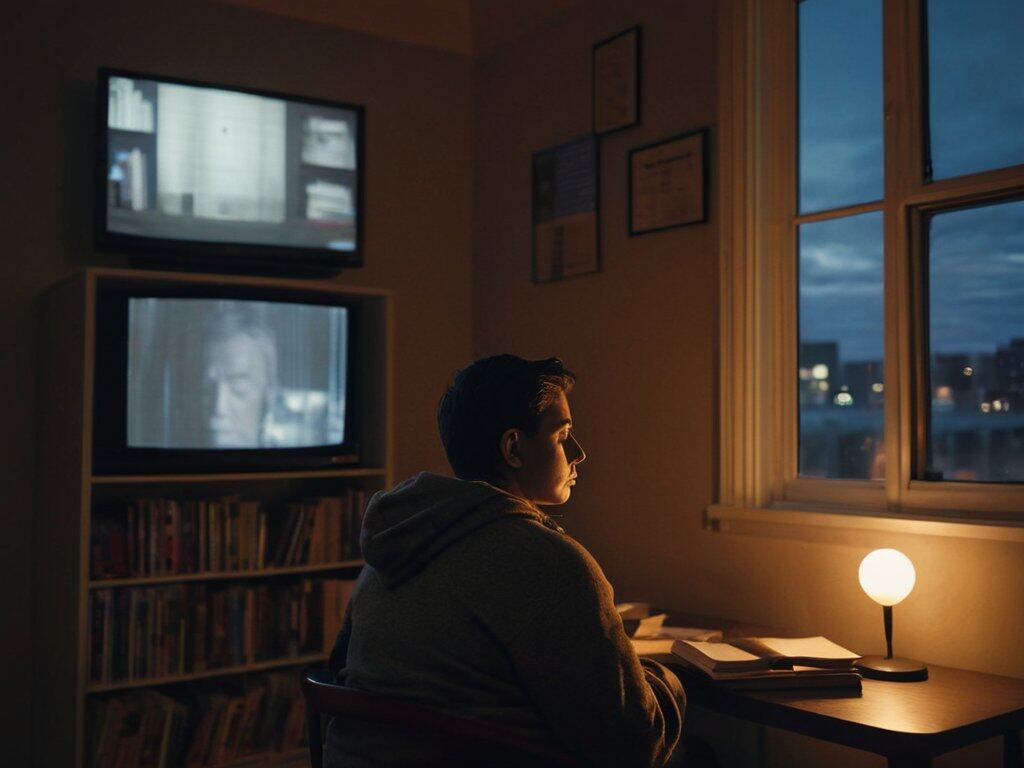
The creation and dissemination of true crime content raises important questions about media sensationalism of crime and its impact on our collective psyche. On one hand, these stories can serve as a catalyst for meaningful discussions about crime and justice, but on the other hand, they can also perpetuate a culture of morbid curiosity. This fine line between informing and exploiting is one that content creators must carefully navigate.
The psychological effects of true crime podcasts on listeners are also worth considering. While some may argue that these podcasts provide a safe space for people to confront and process their fears, others claim that they can have a desensitizing effect, leading to a diminished emotional response to violent or tragic events. Furthermore, the emotional labor of true crime storytelling should not be overlooked, as it often requires a deep dive into the darkest aspects of human nature.
Ultimately, the morality of profiting from tragedy is a complex issue that requires careful consideration. As consumers of true crime media, we must acknowledge our own role in perpetuating the demand for this type of content and consider the potential consequences of our actions. By being mindful of our own audience responsibility in true crime media, we can work towards creating a more nuanced and respectful dialogue around these sensitive topics.
Crime Scene Exploitation Uncovered
The true crime genre often walks a fine line between informing and entertaining, but sometimes it crosses into exploitative territory. This is particularly evident in the way crime scenes are presented, with meticulous details and dramatic reenactments that can be more sensational than respectful.
By examining the media’s portrayal of these events, we can see how the focus shifts from the facts of the case to the thrill of the story, potentially desensitizing audiences to the real-life trauma and tragedy involved.
Media Sensationalism Guilt Trip
As we delve into the world of true crime, it’s hard to ignore the media frenzy that surrounds it. The way a story is presented can greatly impact our perception of it, often making us feel like we’re on a guilty pleasure trip. We find ourselves drawn to the dramatic music, the eerie sound effects, and the sensationalized narration, all of which can be overwhelming.
The line between informing and entertaining is often blurred, leaving us with a mix of emotions. We feel a sense of morbid curiosity, but at the same time, we’re aware that we’re consuming someone’s tragic story for our own entertainment. This can lead to a moral dilemma, where we question whether our fascination with true crime is justified or if it’s just a form of voyeurism.
Ethics of True Crime Consumption

As we delve into the world of true crime, it’s essential to consider the psychological effects of true crime podcasts on our minds. The constant exposure to violent and disturbing content can desensitize us to the suffering of others, making us less empathetic. Moreover, the emotional labor of true crime storytelling can take a toll on the creators and hosts, who often have to relive traumatic events to entertain their audience.
The morality of profiting from tragedy is another aspect that raises questions about the true crime industry. While it’s understandable that creators want to make a living, it’s crucial to acknowledge the fine line between entertainment and exploitation. Media sensationalism of crime can perpetuate a culture of voyeurism, where audiences are more interested in the gruesome details than the actual story. This can lead to a lack of respect for the victims and their families.
Ultimately, audience responsibility in true crime media plays a significant role in shaping the industry. As consumers, we have the power to demand more responsible and respectful storytelling. By being mindful of the content we engage with, we can promote a culture of empathy and understanding, rather than one of exploitation and sensationalism.
Audience Responsibility Matters
As we delve into the complexities of true crime consumption, it’s essential to acknowledge the emotional toll it can take on individuals. For those who find themselves drawn to these types of stories, it’s crucial to maintain a balance and prioritize self-care. If you’re looking for a community to discuss your thoughts and feelings about true crime, or simply need a safe space to unwind, you might want to check out Adult chat forums, where you can engage in respectful conversations with like-minded individuals, sharing your perspectives and learning from others in a supportive environment.
As consumers of true crime content, we often find ourselves fully immersed in the stories, forgetting that there are real people affected by the crimes. It’s essential to recognize the impact of our fascination on the victims’ families and the community.
Our collective conscience should prompt us to consider the consequences of our actions, such as the potential harm caused by spreading sensationalized content or glorifying criminals.
Morality of Profiting From Tragedy
The true crime industry has become a lucrative business, with many producers and creators cashing in on people’s fascination with the darker side of human nature. This raises important questions about the morality of profiting from someone’s tragedy, and whether it’s acceptable to make a living from the suffering of others.
By sensationalizing crimes and packaging them as entertainment, true crime creators are able to attract large audiences and generate significant revenue. However, this can be seen as a distasteful exploitation of the victims and their families, who are often still grappling with the aftermath of the crime, and may not be comfortable with their personal tragedy being used for the purpose of entertainment value.
Navigating the Dark Side: 5 Ethics Tips for True Crime Fans

- Be aware of your motivations: Ask yourself why you’re consuming true crime content – is it for entertainment, education, or something else?
- Consider the impact on victims’ families: Remember that the stories you’re consuming are real, and the people involved are not characters, but human beings who have suffered immense pain
- Support creators who prioritize sensitivity and respect: Choose podcasts, shows, and documentaries that handle sensitive topics with care and don’t sensationalize tragedy for the sake of ratings
- Don’t spread unsubstantiated theories or speculation: Refrain from sharing unverified information or jumping to conclusions, as this can cause harm to individuals and communities
- Take breaks and practice self-care: True crime content can be emotionally taxing, so make sure to balance your consumption with other activities and prioritize your mental well-being
Key Takeaways on True Crime Consumption Ethics
True crime content creators and consumers must acknowledge the fine line between entertainment and exploitation, considering the moral implications of profiting from real-life tragedies
The media’s sensationalism of crime stories can have a profound impact on public perception and the families of victims, highlighting the need for responsible storytelling and respect for those affected
Ultimately, the ethics of true crime consumption rest on the shoulders of both creators and audiences, who must strive for a balance between fascination and respect, ensuring that the pursuit of engaging content does not come at the expense of empathy and human dignity
The Dark Side of Our Fascination
As we devour the details of a stranger’s demise, let’s not forget that true crime stories are woven from the torn lives of real people – and our entertainment comes at the cost of their eternal grief.
A. Wynter
Conclusion
As we delve into the world of true crime consumption, it’s essential to acknowledge the grey areas that exist within this genre. We’ve explored the ethics of killer content, media sensationalism, and the morality of profiting from tragedy. It’s clear that the true crime phenomenon is a complex issue, with audience responsibility playing a significant role in shaping the narrative. By recognizing the potential consequences of our actions, we can work towards creating a more empathetic and respectful community.
So, what’s the takeaway from this journey into the ethics of true crime consumption? Perhaps it’s that we should strive for a deeper understanding of the stories we consume, and the real people behind them. By doing so, we can transform our guilty pleasure into a catalyst for positive change, using these stories to spark important conversations and drive meaningful action. As we continue to indulge in this fascinating genre, let’s remember to approach it with empathy, respect, and a critical eye.
Frequently Asked Questions
How can true crime content creators balance the need for sensationalism with respect for the victims and their families?
For true crime creators, it’s a delicate dance between intrigue and respect. To balance sensationalism with sensitivity, they should prioritize factual accuracy, avoid gratuitous details, and consider the victims’ families’ feelings, all while still crafting a compelling narrative that doesn’t exploit tragedy for entertainment value.
What role do consumers play in driving the demand for true crime content, and do they have a responsibility to consider the ethical implications of their viewing habits?
We, the viewers, are the driving force behind the true crime craze. Our obsession fuels the demand, and it’s time to own up to that. By consuming this content, we’re inadvertently supporting an industry that often prioritizes entertainment over respect for the victims and their families. So, yeah, we’ve got a responsibility to think critically about what we’re watching and why.
Can true crime content ever be considered 'ethical' if it is produced with the consent of the individuals involved, such as in the case of documentaries or interviews with perpetrators or survivors?
Honestly, even with consent, true crime content walks a fine line. If it’s handled respectfully, prioritizing the stories and voices of those involved over sensationalism, then maybe – just maybe – it can be considered ethical. But that’s a big if, and it’s still a pretty gray area.
