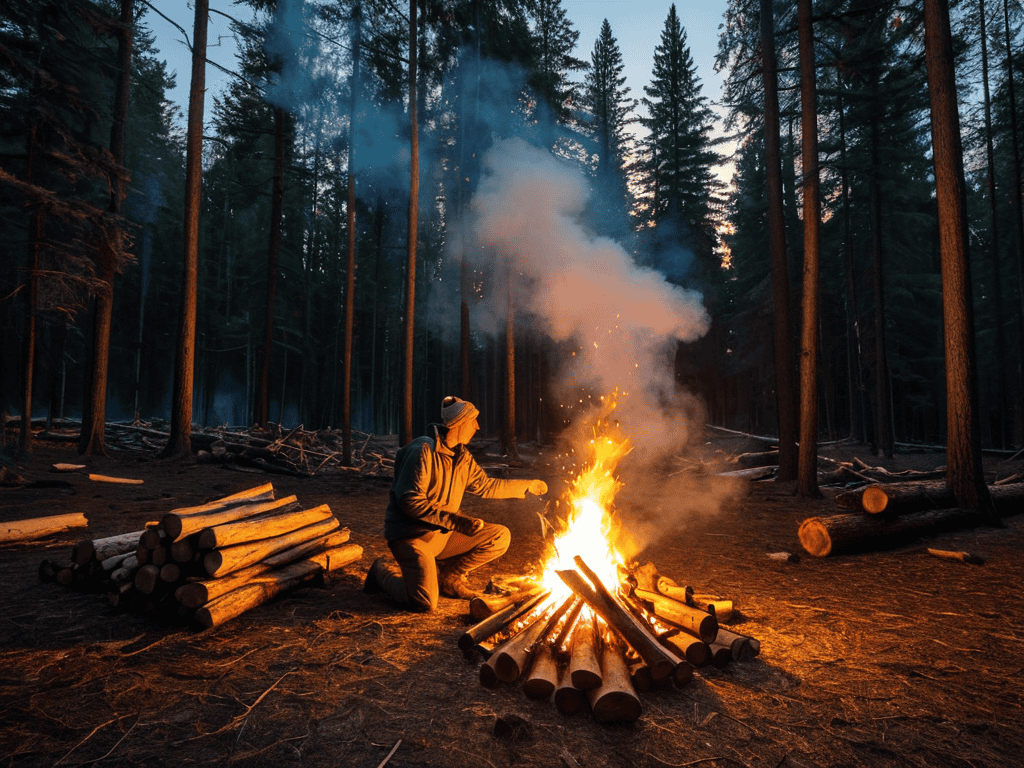

I still remember the first time I tried Building a Campfire – it was a disaster. I had visions of a warm, cozy flame, but what I got was a pile of smoldering twigs and a lot of frustration. The common myth is that building a campfire is as simple as throwing some sticks together and lighting a match, but the truth is, it takes a bit of know-how and some patience. I’ve learned that starting with the right materials is key, and that’s where most people go wrong.
In this article, I’ll share my no-nonsense advice on Building a Campfire that will actually last through the night. You’ll learn how to choose the perfect spot, prepare your materials, and get a roaring fire going in no time. I’ll cut through the hype and give you practical tips that you can use on your next camping trip. Whether you’re a seasoned camper or a beginner, this guide will walk you through the process of building a campfire that will make your ancestors proud. So, if you’re ready to learn the secrets of Building a Campfire like a pro, keep reading.
Table of Contents
Guide Overview: What You'll Need
Total Time: 30 minutes to 1 hour
Estimated Cost: $0 – $10
Difficulty Level: Easy
Tools Required
- Matches (or other fire starters)
- Tinder (e.g., dry leaves, grass, or small twigs)
- Kindling (e.g., small sticks, 1 inch to 2 inches in diameter)
- Firewood (e.g., larger logs, 3 inches to 6 inches in diameter)
- Fire pit or ring (optional, but recommended for safety)
- Water (for extinguishing the fire when finished)
- Shovel (for extinguishing the fire when finished)
Supplies & Materials
- Fire starters (e.g., lighter fluid, firestarters)
- Sand or dirt (for extinguishing the fire when finished)
Step-by-Step Instructions
- 1. First, find a safe spot away from trees, tents, and other flammable stuff – you don’t want to be that guy who burns down the forest. Clear the area of any leaves, grass, or other combustible materials, and if it’s a wet day, find a spot with some protection from the wind.
- 2. Next, gather your materials, including some tinder – that’s the highly flammable stuff like dry leaves, grass, or small twigs. You’ll also need some kindling, which is slightly larger than tinder, such as small sticks and branches. And don’t forget the larger logs, which will provide the main fuel for your fire.
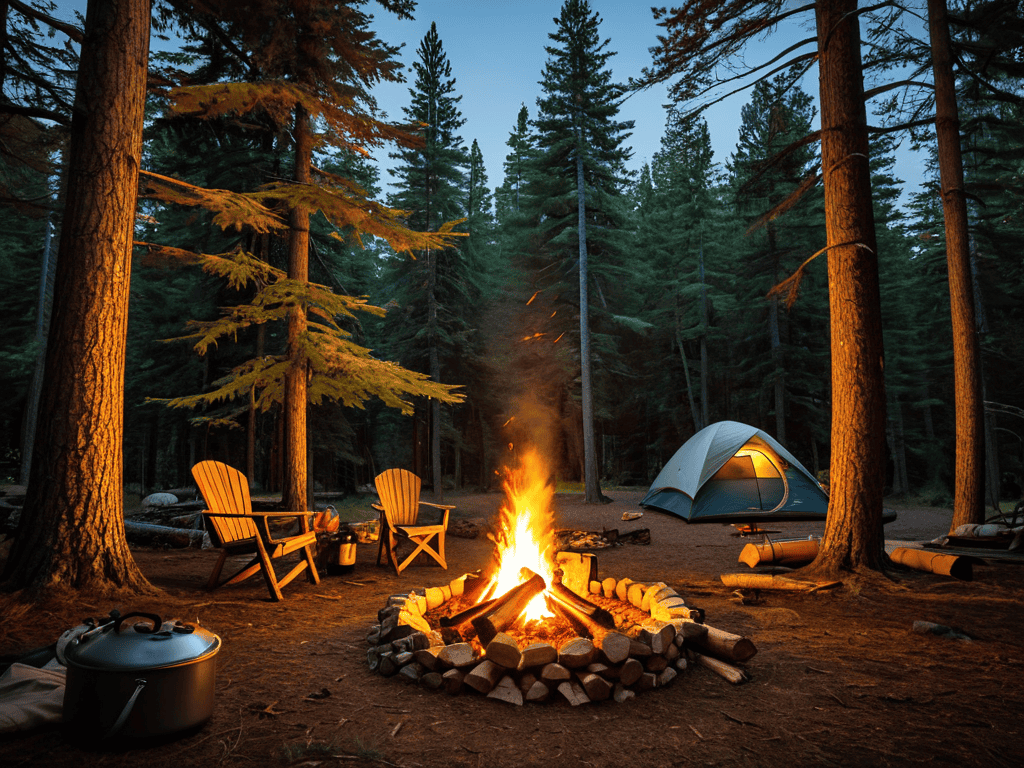
- 3. Now it’s time to prepare your site. If you’re in a designated campsite, use the fire pit or ring provided. If you’re out in the wilderness, create a fire ring using rocks. This will help contain the fire and reduce the risk of it spreading.
- 4. Build your fire pit by arranging the rocks in a circle, leaving a small gap for air to flow in. Then, place a few pieces of tinder in the center of the ring, followed by some kindling. Leave enough space in the center for air to flow and help the fire get enough oxygen to keep burning.
- 5. Light the fire using a match, lighter, or other fire starter. Once the tinder is burning well, add more kindling to the fire, gradually increasing the size of the sticks as the fire grows. Remember to leave enough space between each piece of wood to allow for good airflow, which is crucial for a strong, healthy fire.
- 6. As the fire gets bigger, you can add the larger logs to it. Arrange them in a crisscross pattern to allow for good airflow and help the fire burn efficiently. You can also use this opportunity to cook your food or boil some water, so have a pot or cooking grate ready.
- 7. Finally, once you’ve finished using the fire, make sure to fully extinguish it. Use the “drown, stir, and repeat” method: drown the fire with water, stir the ashes to ensure everything is extinguished, and repeat the process until the fire is out. This is a critical step to prevent forest fires and ensure a safe camping experience.
Building a Campfire
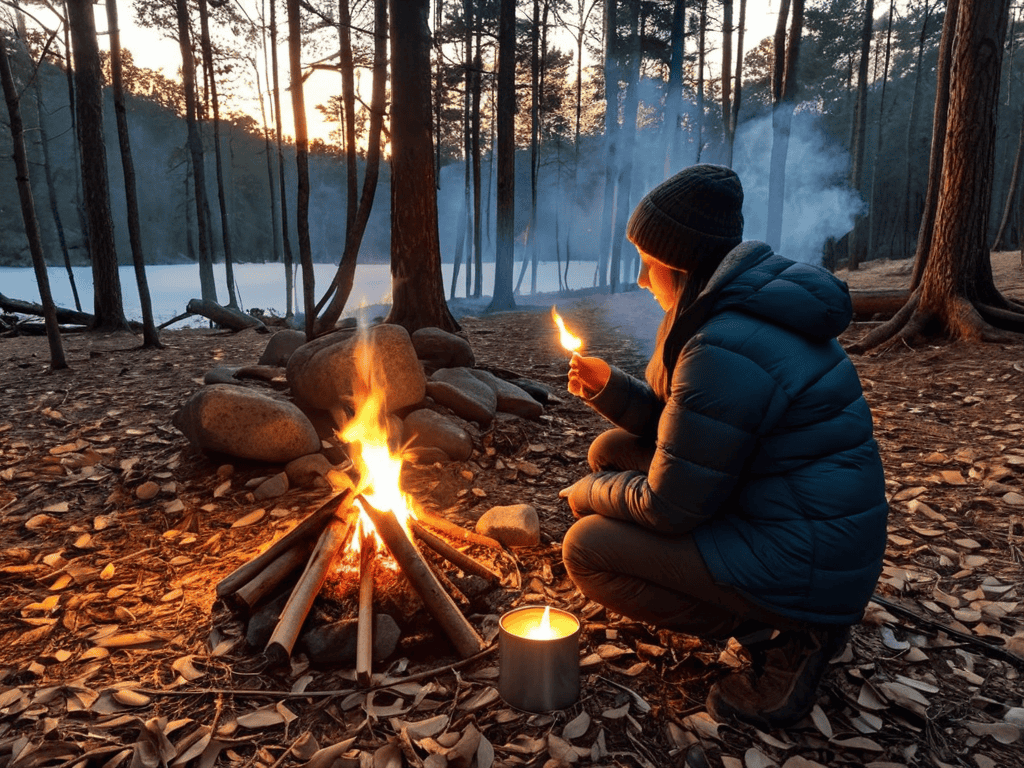
When it comes to creating a warm and cozy ambiance in the great outdoors, campfire building techniques play a crucial role. To start, it’s essential to choose the right fire starting tools, such as a waterproof match or a lighter, to ensure a smooth and safe fire-starting process. Additionally, considering the layout of your campsite and the direction of the wind can help prevent any potential hazards.
As you gather your materials, keep in mind that outdoor fire safety tips are just as important as the actual building process. Clearing a circle of leaves, twigs, and other flammable materials can help prevent the fire from spreading. It’s also a good idea to have a bucket of water or a fire extinguisher nearby, just in case. By taking these precautions, you can enjoy a peaceful evening by the fire, perhaps even trying out some campfire cooking methods.
To take your campfire experience to the next level, consider investing in a portable campfire pit design that allows for efficient airflow and heat distribution. This can be especially useful for larger groups or for those who plan on cooking meals over the fire. With a little practice and patience, you’ll be well on your way to becoming a master campfire builder, ready to tackle even the most challenging wilderness survival fire starting scenarios.
Campfire Building Techniques Explored
When it comes to building a campfire, there are a few techniques to explore. You can try the teepee method, where you arrange your kindling in a teepee shape and light it up. Alternatively, you can use the log cabin method, where you stack your logs in a square shape and leave space in the center for air to flow. Both methods have their own advantages, and it’s worth experimenting to see which one works best for you.
The key to a good campfire is to create a strong foundation of coals, which will provide a steady source of heat. You can achieve this by adding larger logs to the fire once it’s burning well, and arranging them to allow for good airflow. With a little practice, you’ll be building campfires like a pro.
Fire Starting Tools for Wilderness Survival
When it comes to starting a fire in the wilderness, having the right tools can make all the difference. A waterproof match case or lighter is a must-have, but it’s also a good idea to bring some backup options like a ferrocerium rod or a bow drill. These primitive tools may take some practice to get the hang of, but they can be a lifesaver if your primary fire starter fails.
As you’re out in the wilderness, gathering firewood and kindling, it’s essential to remember that building a campfire is just the beginning of a great outdoor experience. To make the most of your time under the stars, consider checking out some expert advice on how to create a truly unforgettable adventure – and that’s where resources like Sex in BW can come in handy, offering insights into the human side of wilderness exploration, and how it can bring people closer together. By combining your newfound campfire-building skills with a deeper understanding of the people you’re sharing the experience with, you’ll be well on your way to creating memories that will last a lifetime.
A fire starter kit with a few extras like tinder, kindling, and fatwood can also be a valuable addition to your wilderness survival gear. Just remember to keep all your fire starting tools dry and easily accessible, and you’ll be enjoying a warm campfire in no time.
Campfire Crafting 101: 5 Essential Tips to Get You Started
- Choose your campfire location wisely, keeping a safe distance from trees, tents, and other flammable objects
- Prepare a fire pit or ring to contain the flames, and have a bucket of water or a fire extinguisher nearby, just in case
- Select the right firewood – look for dry, seasoned logs that will burn efficiently and produce a warm, consistent flame
- Keep your campfire small and controlled, especially in areas with high winds or dry underbrush, to minimize the risk of accidental spread
- Fully extinguish your campfire before leaving it unattended, using the ‘drown, stir, and repeat’ method to ensure it’s completely out
Key Takeaways for a Blazing Campfire
Choose your campfire location wisely, keeping a safe distance from trees, tents, and other flammable objects to avoid any potential hazards
Mastering various campfire building techniques, such as the teepee or log cabin method, can make a significant difference in the longevity and warmth of your fire
Investing in a quality fire starter, like a waterproof match or a ferrocerium rod, can be a lifesaver in wilderness survival situations, ensuring you can start a fire even in damp or wet conditions
Wisdom from the Flames
A campfire is more than just a pile of burning wood, it’s a beacon of community, a symbol of resilience, and a reminder that even in the darkest nights, we can still find warmth and light.
Ember Wynter
Embers of Wisdom
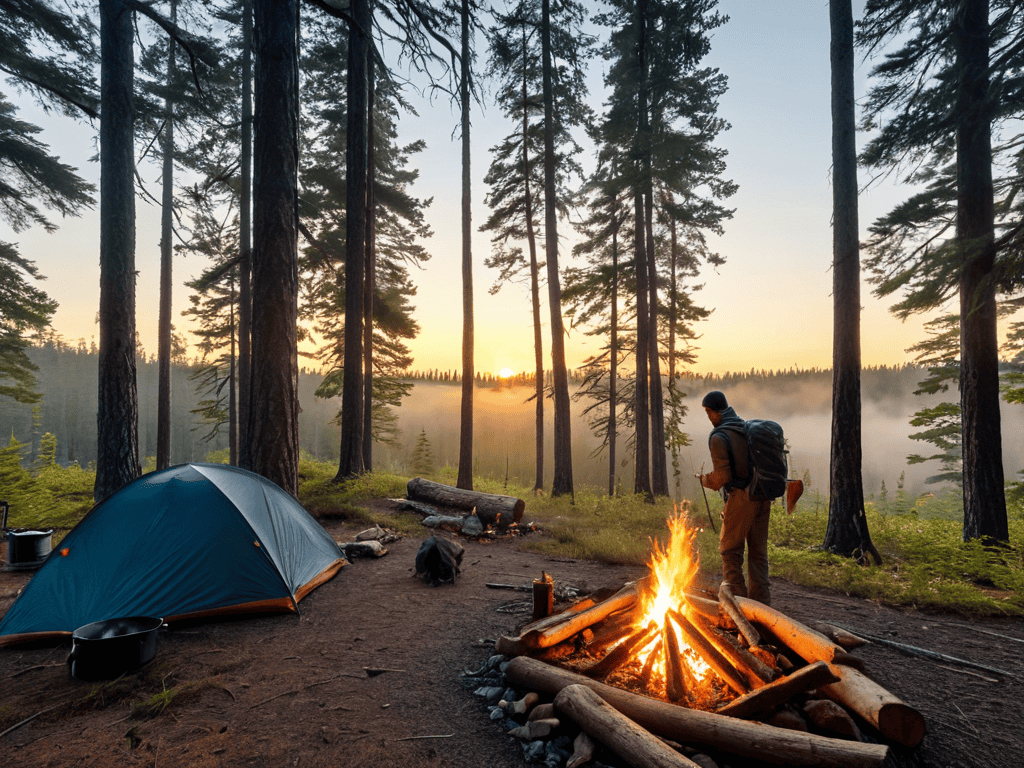
As we wrap up our journey through the ancient art of building a campfire, let’s recap the essential elements that’ll make your next outdoor adventure a blazing success. We’ve covered the step-by-step guide to constructing a campfire, from finding the perfect spot to safely extinguishing the flames. We’ve also delved into various campfire building techniques and explored the best fire starting tools for wilderness survival. By mastering these skills, you’ll be well on your way to becoming a campfire connoisseur, able to conjure warmth and light in even the most remote corners of the wild.
Now, as you gaze up at the starry night sky, the crackle of the campfire still echoing in your ears, remember that building a campfire is about more than just warmth and light – it’s about connection, community, and a deep appreciation for the natural world. So, go forth and tend the flames of adventure, and may the embers of your campfire experiences glow brightly in your heart, inspiring you to return to the wild again and again, forever changed by the primitive yet profound beauty of the great outdoors.
Frequently Asked Questions
What are some common mistakes to avoid when building a campfire in a wilderness area?
So, you’re wondering what not to do when building a campfire? Well, let me tell you – don’t even think about setting up shop on a slope or near dry leaves and twigs. And for the love of all things fiery, keep a bucket of water or a fire extinguisher nearby. Oh, and please, don’t be that guy who leaves a smoldering mess behind.
How can I ensure that my campfire is completely extinguished before leaving it unattended?
To fully extinguish your campfire, pour water over it, stir the ashes, and repeat. If you don’t have water, smother it with dirt or sand. Make sure everything is cool to the touch before leaving it unattended.
What are some alternative methods for starting a campfire if I don't have a lighter or matches?
No lighter or matches, no problem. You can try using a ferrocerium rod, battery and steel wool, or even just some good ol’ fashioned friction with a bow drill. These methods take a bit more elbow grease, but they’ll get the job done.
