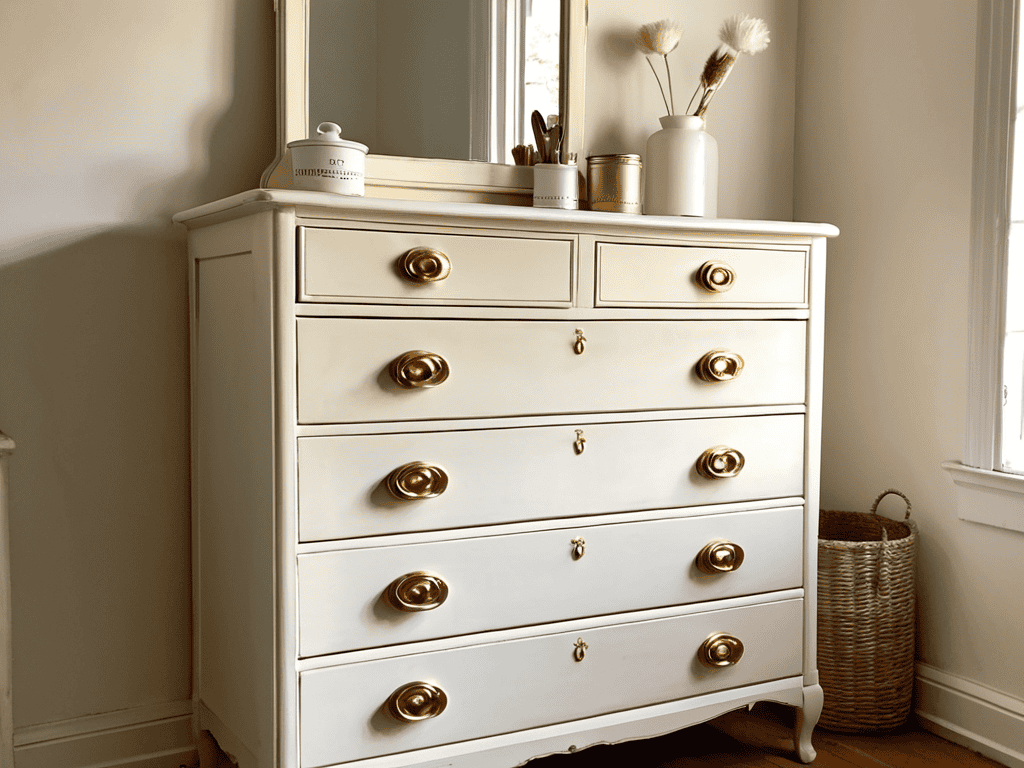

I still remember the first time I attempted a guide to painting a piece of furniture with chalk paint – it was a disaster. I had heard so many great things about how easy it was to give old furniture a fresh new look, but my first project ended up looking like it belonged in a thrift store. The problem was, I believed the myth that chalk paint was a magic solution that required no prep work or skill. But, after many trials and errors, I learned that with the right techniques and a little patience, anyone can achieve professional-looking results.
In this article, I’ll share my honest, no-nonsense advice on how to successfully paint a piece of furniture with chalk paint. You’ll learn the essential steps to prepare your furniture, choose the right paint and brushes, and apply a finish that will make your piece look stunning. Whether you’re a beginner or an experienced DIYer, this guide will walk you through the process with ease, and by the end of it, you’ll be confident to tackle any furniture makeover project that comes your way.
Table of Contents
Guide Overview: What You'll Need
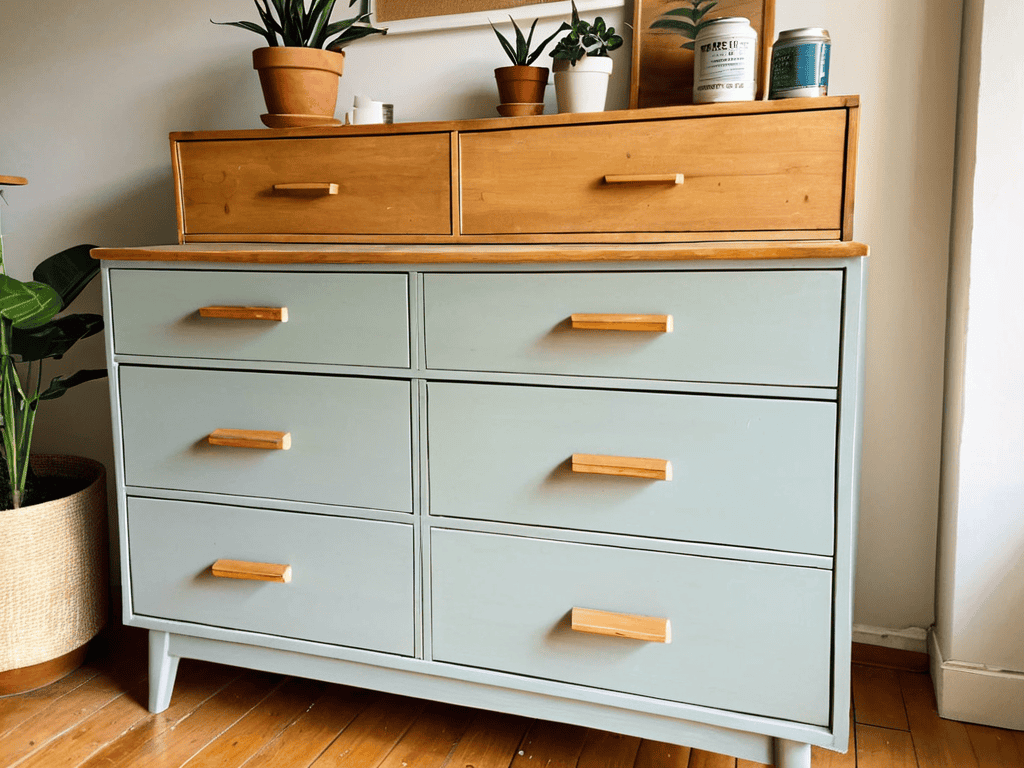
Total Time: 2 hours 30 minutes
Estimated Cost: $50 – $100
Difficulty Level: Easy
Tools Required
- Paintbrush (various sizes)
- Roller Extension Pole (for large surfaces)
- Sandpaper (for light sanding)
- Drop Cloth (for protecting floors and surfaces)
- Cleaning Cloth (for wiping away dust and debris)
Supplies & Materials
- Chalk Paint (choose your desired color)
- Clear Wax (for protective coating)
- Dark Wax (optional for distressed look)
- Furniture Legs or Hardware (if replacing existing ones)
- Paint Tray (for holding and transporting paint)
Step-by-Step Instructions
- 1. First, prepare your workspace by laying down a drop cloth or old sheets to protect your floor from any potential paint spills or stains. This will save you a lot of hassle and cleanup time later on. Make sure your furniture piece is also covered in a similar manner, or remove any hardware that could get in the way of painting.
- 2. Next, clean the furniture thoroughly to remove any dirt, grime, or wax that might be on the surface. This is crucial because chalk paint adheres well to clean, dry surfaces. Use a mixture of soap and water, and gently scrub the entire piece with a soft-bristled brush. Let it dry completely before proceeding.
- 3. Now, it’s time to sand the furniture lightly. This step helps create a better bond between the old surface and the new paint. Use a fine-grit sandpaper and gently rub the entire piece, paying extra attention to any areas with old, glossy finishes. After sanding, use a damp cloth to wipe away any dust or debris.
- 4. With your furniture properly prepared, you can now apply the first coat of chalk paint. Start by stirring your paint well, then dip your brush into the paint, wiping off any excess on the rim of the paint container. Apply the paint in smooth, even strokes, working in sections to maintain even coverage. Remember, chalk paint dries quickly, so work in a consistent pattern to avoid any noticeable overlaps or gaps.
- 5. After the first coat is dry, which typically takes about 30 minutes to an hour, inspect the coverage. If the color looks uneven or you can still see the original finish showing through, it’s time for a second coat. Repeat the painting process as before, making sure to cover the entire piece evenly. Some pieces might require a third coat, depending on the color and finish you’re aiming for.
- 6. Once you’ve achieved the desired color and finish, allow the final coat to dry completely. This is an important step because you don’t want to risk smudging or smearing the paint. Depending on the humidity and temperature of your workspace, this could take anywhere from a few hours to overnight.
- 7. Finally, apply a clear wax to seal and protect your beautiful new finish. Use a clean, lint-free cloth to apply a thin, even layer of wax, following the instructions on the wax container for specific application and drying times. This step not only protects your piece from spills and scratches but also enhances the color and texture of the chalk paint.
A Guide to Painting Furniture
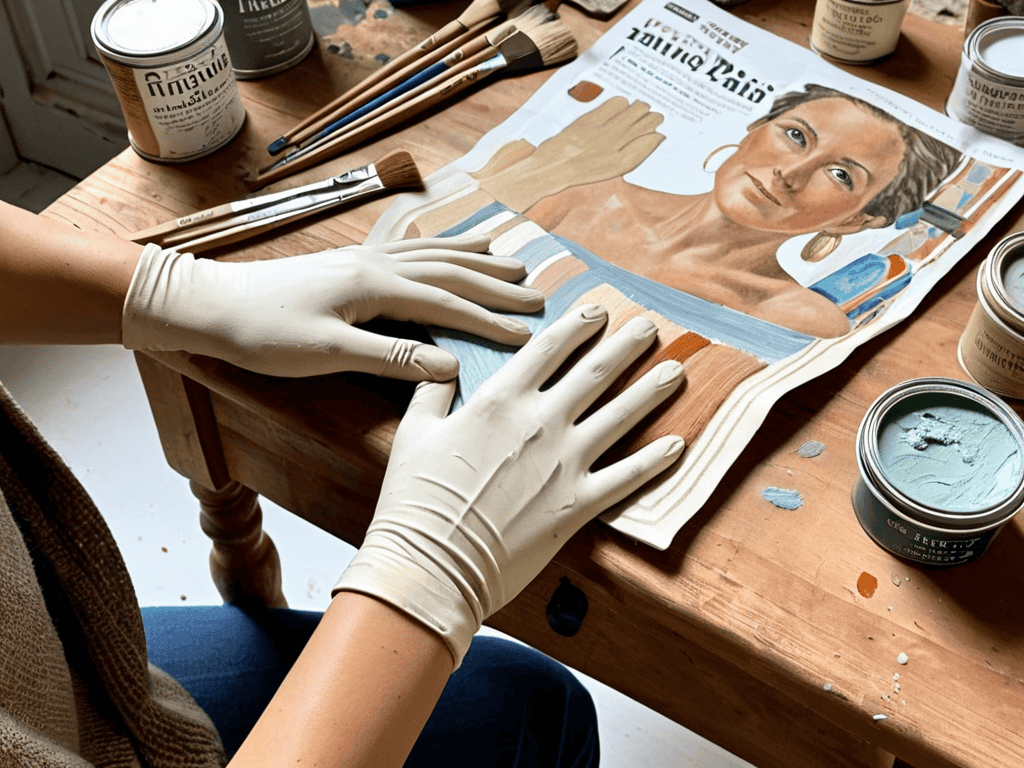
As you’re working on your chalk paint furniture makeover, it’s essential to have a solid understanding of the materials and techniques involved. To help you _take your project to the next level_, I recommend checking out some online resources that specialize in DIY home decor and furniture restoration. For instance, you can find a wealth of information on various websites, including those that offer tips on how to connect with others who share similar interests, such as sexkontakte, which can be a great way to get inspiration and advice from like-minded individuals. By exploring these resources, you’ll be able to find the perfect _unique touches_ to make your furniture piece truly one-of-a-kind.
When it comes to achieving a smooth chalk paint finish, proper furniture preparation is key. This includes cleaning the surface of any dirt, grime, or old wax, and lightly sanding to create a rough texture for the paint to adhere to. Additionally, considering chalk paint color selection tips can help you choose the perfect hue to match your desired aesthetic.
To add an extra layer of protection and durability to your freshly painted furniture, applying a clear wax is a great idea. This helps to protect the chalk paint from scratches and spills, making it easier to maintain and clean. It’s also important to note that distressing furniture for a vintage look can be a fun and creative way to add character to your piece, but should be done carefully to avoid damaging the surface.
By following these tips and techniques, you can achieve a beautiful and long-lasting finish with your chalk paint project. It’s worth noting that chalk paint vs latex paint for furniture is a common debate, but chalk paint is often preferred for its ease of use and unique, matte finish. With a little patience and practice, you can create a stunning piece of furniture that looks like it was made by a professional.
Chalk Paint Color Selection Tips
When it comes to choosing the perfect chalk paint color, the options can be overwhelming. Consider the room’s decor and the style you’re aiming for – do you want a bold statement piece or a subtle accent? Think about the natural lighting and how it will affect the color. For a cohesive look, select a color that complements the surrounding furniture and accessories.
Choose a color that resonates with you and reflects your personal taste. Don’t be afraid to test out samples or create a mood board to visualize the final result. Remember, the beauty of chalk paint lies in its versatility, so have fun and get creative with your color selection!
Furniture Prep for Chalk Paint
When it comes to furniture prep for chalk paint, it’s all about creating a smooth canvas. Start by giving your piece a good clean with a damp cloth to remove any dirt, grime, or wax. This ensures the paint adheres evenly and brings out the best in your furniture’s details. Next, lightly sand the surface to remove any imperfections and create a subtle texture for the paint to grip. Don’t worry too much about stripping the old finish; chalk paint is incredibly forgiving and can work wonders over existing coats.
A quick once-over with a tack cloth will pick up any dust from sanding, leaving your furniture ready for its makeover. Remember, the key to a successful chalk paint project is in the prep work – take your time, and you’ll be rewarded with a beautiful, professional-looking finish that makes your furniture truly unique.
5 Essential Tips for a Flawless Chalk Paint Finish
- Always read the instructions on your chalk paint carefully, as different brands may have specific application guidelines
- Use a high-quality brush to apply the chalk paint, and consider using a foam brush for a smooth, even finish
- Apply thin coats of chalk paint, allowing each coat to dry completely before adding additional layers
- Don’t be afraid to mix and match different chalk paint colors to create a unique, one-of-a-kind look
- Seal your finished piece with a clear wax or varnish to protect the paint and give it a beautiful, long-lasting finish
Key Takeaways for a Successful Chalk Paint Makeover
Always prepare your furniture properly before applying chalk paint to ensure a smooth and even finish
Choose a chalk paint color that complements the piece’s original character and the room it will be in
Don’t be afraid to experiment and add your personal touch to make the furniture truly unique and reflective of your style
Transforming Your Space
The beauty of chalk paint lies not just in its ease of use, but in its ability to breathe new life into old, forgotten pieces, allowing us to reimagine our spaces and tell our own unique stories through the things we treasure.
Emily Wilson
Bringing Your Vision to Life
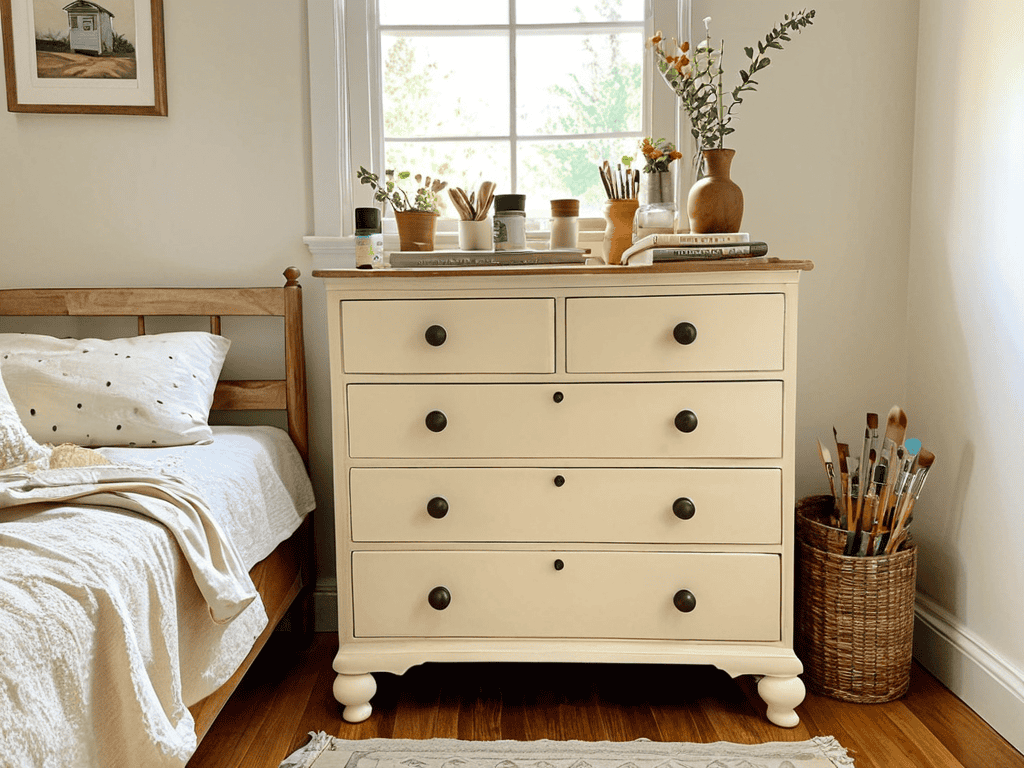
As we wrap up this guide to painting a piece of furniture with chalk paint, let’s take a moment to reflect on the journey. We started with the basics of furniture preparation, moved on to the exciting part of selecting the perfect chalk paint color, and then dove into the step-by-step process of transforming your piece. Remember, the key to a successful makeover is in the details, from properly cleaning and priming your furniture to applying the paint with patience and care. By following these guidelines, you’ve not only given your old furniture a fresh new look, but you’ve also learned valuable skills to tackle future DIY projects.
Now that you’ve completed your chalk paint furniture makeover, it’s time to step back and admire your handiwork. Don’t be afraid to get creative and experiment with different colors, techniques, and styles. Your unique vision and personal touch are what will make your piece truly special. As you enjoy your newly transformed furniture, remember that the process of creating something beautiful is just as rewarding as the end result. So go ahead, take pride in your work, and get ready to tackle your next DIY adventure with confidence and enthusiasm.
Frequently Asked Questions
What kind of brush is best to use when applying chalk paint to furniture?
For a smooth, even finish, I swear by using a high-quality, natural-bristle brush when applying chalk paint to furniture. The bristles will help create a beautiful, textured look that’s perfect for giving your piece a vintage vibe. Trust me, it makes all the difference!
Can I use chalk paint on furniture with a glossy or lacquered finish?
Absolutely, you can use chalk paint on glossy or lacquered finishes, but it’s crucial to prep the surface first. Lightly sanding the furniture to roughen it up will help the chalk paint adhere, ensuring a smooth and even finish. This simple step makes all the difference in achieving a professional-looking result.
How long does it typically take for chalk paint to fully dry and cure on a piece of furniture?
The drying and curing time for chalk paint can vary, but typically, it takes around 15-30 minutes to dry to the touch, and 1-3 hours to fully cure, depending on the thickness of the application and environmental conditions.
