
I was sitting in my favorite corner of a bustling downtown cafe last Tuesday, trying to capture the soft, melancholic light hitting a half-empty espresso cup with my Monet lens, when the world simply became too loud. The screech of a passing bus and the relentless chatter from the next table shattered my focus, reminding me that silence isn’t just a luxury—it’s a canvas. Most people think that achieving true acoustic privacy requires a massive renovation or a professional studio build-out, but that’s a myth that keeps so many creators stuck. The truth is, learning how to soundproof a room on a budget is less about heavy construction and more about understanding how sound, much like light, moves through a space and seeks out the cracks.
In this guide, I’m stripping away the expensive jargon to share the practical, soulful ways you can reclaim your quiet. I’ll walk you through how to use everyday textures—from heavy textiles to clever furniture placement—to dampen the chaos without draining your savings. We aren’t looking for perfection, but rather a way to create a sanctuary where your thoughts can finally breathe.
Guide Overview
Tools & Supplies
- Measuring tape for room dimensions
- Utility knife for cutting foam or sealant
- Weatherstripping rolls for door gaps
- Heavy blackout curtains for window coverage
- Acoustic foam panels (6-12 pack)
- Door sweep or draft stopper
Step-by-Step Instructions
- 1. Start by addressing the “leaks” in your room, much like how I look for the tiny cracks in a coastal cliffside where the light spills through. Sound, much like water, finds the easiest path into a space, and usually, that path is through the gaps under your doors. I recommend grabbing some heavy-duty weatherstripping or a simple door draft stopper; it’s a small, inexpensive fix that makes a world of difference in sealing your sanctuary.
- 2. Next, let’s talk about your walls, which can sometimes act like a drum skin, vibrating with every passing car or neighbor’s footsteps. You don’t need expensive acoustic foam to dampen that energy; instead, think like a curator in a cozy library. Hanging thick, heavy tapestries or even decorative rugs on the walls can absorb those harsh echoes, adding a layer of textural warmth that feels more like a home than a studio.
- 3. Don’t overlook your windows, those transparent portals that often let in the most intrusive city hum. If you aren’t ready to invest in professional soundproof glass, try layering your window treatments. I love using velvet or blackout curtains, which are surprisingly dense. They don’t just frame a view beautifully; they act as a soft barrier against the chaotic symphony of the streets outside.
- 4. If you have a bookshelf, you’re already halfway to a quieter life. A well-stocked bookshelf is a secret weapon for sound diffusion; the irregular shapes and depths of the books break up sound waves before they can bounce back. I like to arrange my collection with a bit of intentional randomness, knowing that those uneven surfaces are actually working hard to scatter and soften the noise.
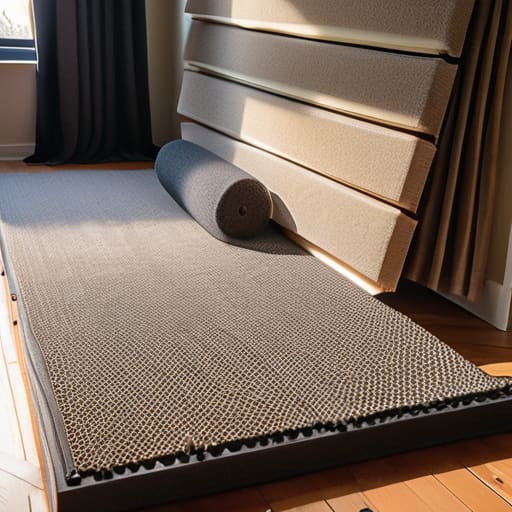
- 5. Take a look at your floor, especially if you have hardwood or tile that makes every footstep sound like a drumroll. To ground the room and quiet the vibrations, you’ll want to layer in some plush area rugs. Much like how a soft-focus lens smooths out the edges of a portrait, a thick rug softens the acoustic landscape of your space, making it feel much more intimate.
- 6. Finally, consider the furniture you already own to help fill the “voids” where sound likes to travel. An overstuffed armchair or a fabric sofa acts as a natural sponge for noise. I find that placing these soft, upholstered pieces in the corners of a room can help catch those wandering sound waves, creating a gentler, more hushed atmosphere that allows you to finally hear your own thoughts.
Soft Textures and Cheap Acoustic Foam Alternatives

Sometimes, the most profound quiet isn’t just about blocking out the roar of the street, but about reclaiming the intimate spaces where we truly connect with ourselves and others. Just as I might find a moment of pure, unscripted connection while sketching a stranger in a sun-drenched cafe, your environment should support those vulnerable, private exchanges that make life feel meaningful. If you find that your current space feels a bit too exposed or loud for those deeper, more personal conversations, exploring ways to enhance your digital and physical privacy—much like how one might find a quiet corner for sexting usa or private messaging—can help ensure that your most intimate moments remain exactly that: yours alone.
When I’m sitting in a bustling cafe, sketching the hurried movements of commuters, I’m always struck by how much the “hardness” of a room dictates its soul. A room filled with glass, plaster, and bare wood feels clinical—almost jarring—much like a high-contrast black-and-white film without any grain. To soften that edge, you don’t need a professional studio setup; you just need to embrace texture. Think of heavy velvet curtains or thick, woven rugs as your visual and auditory anchors. These are some of the most effective sound dampening materials for renters because they add warmth to your aesthetic while working tirelessly behind the scenes to swallow up stray sound waves.
If you’re looking for cheap acoustic foam alternatives, I often find myself looking toward my bookshelves or even a collection of plush throw pillows. A well-stocked bookshelf acts like a beautiful, irregular landscape, breaking up sound waves just as a rocky coastline breaks the Atlantic swell. It’s about layering. By layering soft fabrics and uneven surfaces, you aren’t just reducing echo in small rooms; you are creating a tactile sanctuary that feels lived-in and loved.
Blocking Noise Through Walls Cheaply With Soul
Sometimes, when the city outside my window gets a little too loud—a siren wailing or a neighbor’s muffled conversation—I find myself longing for the heavy, rhythmic silence of the Maine coast. When you’re dealing with thin walls, it can feel like your personal sanctuary is being invaded by the world outside. If you’re looking into blocking noise through walls cheaply, I always suggest looking at your bookshelves. A wall lined with books isn’t just a collection of stories; it acts as a dense, organic barrier that absorbs vibrations. It’s a bit like adding layers of glaze to an oil painting—each layer builds a deeper, more substantial presence that shields your space from the chaos.
For those of us navigating the transient nature of apartment living, finding sound dampening materials for renters means being strategic without being destructive. If you can’t tear down drywall, think about heavy, floor-to-ceiling velvet curtains. They hang with a certain cinematic weight, much like a scene from a moody Ingmar Bergman film, and they do a beautiful job of catching stray sound waves before they bounce around. It’s about creating a sense of enclosure and peace, turning a hollow room into a cocoon of quiet intention.
The Quiet Details: Five Ways to Curate Your Sanctuary
- Seal the invisible gaps around your doors and windows with weatherstripping; it’s much like adjusting the aperture on my ‘Monet’ lens—even a tiny shift can completely change how much light, or in this case, noise, leaks into your frame.
- Layer your floors with thick, plush rugs or even vintage tapestries to dampen the echoes that bounce off hard surfaces, creating a soft, muffled atmosphere similar to the quiet, heavy stillness of a coastal fog rolling in over the Maine pines.
- Rearrange your heavy bookshelves against the shared wall that’s giving you trouble, using the books themselves as a dense, organic barrier that absorbs sound much like a thick impasto layer of oil paint holds its shape.
- Treat your windows with heavy, velvet-style curtains; they act as a beautiful, tactile veil that catches both the sunlight and the street noise, much like a cinematic soft-focus filter in a classic French film.
- Don’t overlook the power of “white noise” through soft, ambient sounds—a small tabletop fountain or a low-fi playlist can mask those intrusive, jagged sounds, turning a chaotic environment into a composed, harmonious scene.
Finding Your Quiet Rhythm
As we wrap up this little journey of transformation, I hope you see that creating a sanctuary doesn’t require a massive studio budget or industrial-grade materials. By layering soft textures like heavy velvet drapes, utilizing the natural dampening of bookshelves, and finding those clever, soulful ways to reinforce your walls, you’ve essentially built a buffer against the chaos of the outside world. It’s about more than just blocking decibels; it’s about carefully curating your environment with the same intention I use when choosing which lens to bring on a walk through the city. You’ve taken the scattered noise of daily life and begun to sculpt a space that truly belongs to you.
At the end of the day, a quiet room is much like a well-composed photograph—it’s the negative space, the stillness between the notes, that allows the beauty of the subject to truly shine. Whether you are looking for a silent corner to sketch your next urban landscape or a peaceful nook to finally finish that novel, remember that your environment deeply influences your creative spirit. Don’t let the roar of the world drown out your inner monologue. I hope you find that perfect, golden stillness that allows you to breathe, create, and simply exist in the beauty of the moment.