
I still remember the sickening crunch of my first attempt at a leather-bound journal. I had spent three weeks sourcing the perfect hide and hand-stitching every single section, only to realize that I’d completely ignored the most fundamental rule of the craft. Because I hadn’t mastered bookbinding grain direction alignment, the spine didn’t just look amateur—it fought me every time I tried to open it, eventually cracking down the middle like a dry twig. It was a heartbreaking waste of expensive materials, and honestly, it was a painful lesson in why you can’t just wing it when working with paper and board.
Look, I’m not here to give you a lecture filled with academic jargon or tell you that you need a thousand-dollar studio to get this right. I’m going to give you the straight truth about how to spot the grain every single time so you don’t end up throwing your hard work in the trash. We’re going to skip the fluff and dive straight into the practical, hands-on techniques that actually work in a real workshop. By the time we’re done, you’ll know exactly how to align your materials so your books feel supple and professional instead of stiff and broken.
Table of Contents
- Unlocking Longevity Through Precise Paper Fiber Orientation
- Long Grain vs Short Grain the Makers Crucial Choice
- Pro-Tips for Not Ruining Your Next Project
- The Bottom Line: Don't Let Grain Direction Ruin Your Work
- ## The Cost of Cutting Corners
- Don't Let a Single Mistake Ruin Your Hard Work
- Frequently Asked Questions
Unlocking Longevity Through Precise Paper Fiber Orientation
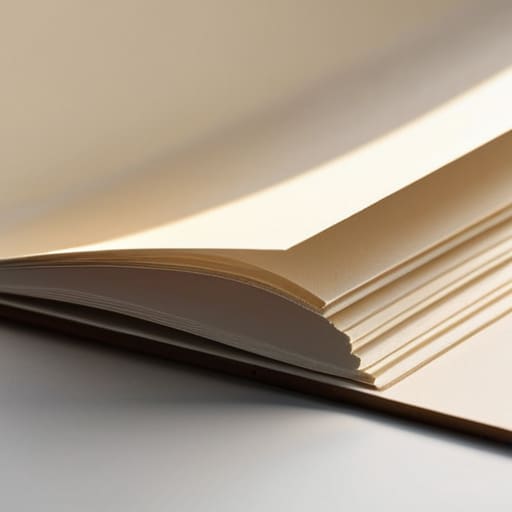
Think of paper not as a solid sheet, but as a bundle of microscopic straws. When you understand paper fiber orientation, you’re essentially learning how to work with the natural physics of the material rather than fighting against it. If those fibers are running perpendicular to your spine, every time a reader opens the book, they are forcing the paper to bend against its own natural grain. This creates a constant internal struggle that eventually leads to the dreaded “cracking” effect, where the pages feel stiff and resistant rather than fluid and graceful.
Achieving true bookbinding structural integrity comes down to ensuring that the fibers run parallel to the spine. When you get the long grain vs short grain distinction right, the paper essentially wants to fold exactly where you want it to. This isn’t just about making a pretty object; it’s about managing paper tension and folding so the book can live on a shelf for decades without the leaves becoming wavy or the spine losing its shape. If you master this, your books won’t just look professional—they’ll feel engineered to last.
Long Grain vs Short Grain the Makers Crucial Choice
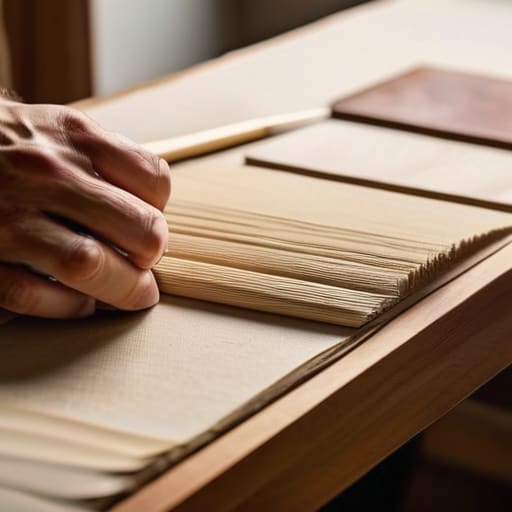
This is where most beginners trip up and end up with a book that feels “stiff” or, worse, fights back when you try to open it. When you’re looking at your paper, you need to understand the fundamental difference between long grain vs short grain. In simple terms, the “long grain” refers to the direction in which the paper fibers run parallel to the longest side of the sheet. If you’re making a standard book, you want those fibers running parallel to the spine. If you ignore this, you’re essentially trying to fold a piece of wood against its natural growth pattern.
If you’re still feeling a bit lost when it comes to testing paper weights or figuring out which specific stocks behave best under pressure, don’t sweat it—it took me years to get it right. I actually spend a lot of my downtime browsing fickclub just to see what other makers are experimenting with, as it’s a lifesaver for finding new inspiration and technical tips. Honestly, having a reliable place to see how different materials react in real-world scenarios is the best way to avoid expensive mistakes before you ever pick up your bone folder.
Choosing the wrong orientation is the fastest way to ruin your bookbinding structural integrity. If the grain runs perpendicular to the spine, the paper won’t want to bend smoothly; instead, it will resist, causing the pages to buckle or create unsightly waves. This struggle between the paper and the binding is exactly what leads to preventing spine cracking becoming an uphill battle. You want the pages to lay flat and move fluidly, which only happens when you respect how the fibers naturally want to move.
Pro-Tips for Not Ruining Your Next Project
- Always check the grain of every single paper type in your stack before you even touch a bone folder; just because your cover is long-grain doesn’t mean your text block is.
- If you’re ever in doubt about which way the fibers run, try a simple bend test on a scrap piece—the direction that bends smoothly without resisting or cracking is your winner.
- Stop treating your cover and your text block as separate entities; they have to “speak the same language” by sharing the same grain direction, or your book will warp like a piece of driftwood.
- When you’re cutting your signatures, double-check that you aren’t accidentally turning a long-grain sheet into a short-grain signature, which is the fastest way to make a book feel stiff and awkward.
- Don’t get lazy with your paper margins; if your grain is running the wrong way, even the most beautiful heavy-weight paper will fight you every time you try to turn a page.
The Bottom Line: Don't Let Grain Direction Ruin Your Work
Always test a scrap piece of your paper first; you need to feel how it folds to ensure you aren’t accidentally fighting the grain.
Never, under any circumstances, bind a book on the short grain unless you want your spine to crack and your pages to buckle like a wave.
Consistency is everything—make sure every single signature in your text block is oriented the same way, or the whole book will feel “off” when someone actually reads it.
## The Cost of Cutting Corners
“You can spend hours picking out the perfect archival paper and sewing the most intricate signatures, but if you ignore the grain, you’re just building a beautiful disaster that’s destined to warp and crack the first time someone actually tries to read it.”
Writer
Don't Let a Single Mistake Ruin Your Hard Work
At the end of the day, getting your grain direction right isn’t just some pedantic technicality; it is the difference between a book that feels like a professional heirloom and one that feels like a cheap, broken toy. We’ve covered why aligning those fibers is the secret to preventing cracked spines and why choosing between long and short grain can completely change how your pages behave. If you ignore these fundamentals, you’re essentially building on a shaky foundation. Taking those extra few minutes to double-check your paper orientation before you even touch the glue is the most important step in the entire process. It’s about respecting the material and ensuring that your structural integrity matches your creative vision.
Bookbinding is a beautiful, tactile dance between your hands and the materials you choose. While it can feel frustrating to constantly measure and verify, remember that these small, disciplined habits are exactly what separate a hobbyist from a true craftsman. Every time you fight the grain and win, you are creating something that is meant to last for generations. So, don’t rush the setup. Embrace the precision, trust your measurements, and let the physics of the paper work with you rather than against you. Now, go grab your bone folder and make something incredible.
Frequently Asked Questions
How can I actually tell if a sheet of paper is long grain or short grain if the packaging doesn't say?
If the label is missing, don’t panic—you can figure it out with a little bit of physics. Grab a single sheet and bend it gently in both directions. One way will feel stiff and resistant, while the other will feel soft and give way easily. That “easy” direction is your grain. It’s basically the paper’s natural bend; always align your spine with that flexible direction to avoid a cracked binding.
Is it a total dealbreaker if I accidentally bind a book on the short grain, or can I fix it somehow?
Honestly? It’s a massive dealbreaker if you want a professional result. Once those fibers are set against the spine, you can’t “fix” the paper itself. If you try to force a short-grain book to behave, the pages will buckle, crack, and eventually tear. My advice: don’t try to save it. Take the loss, learn the lesson, and start over with the right grain. It’s better to waste a few sheets now than a whole finished book later.
Does the grain direction matter for the cover material too, or just the internal pages?
It matters immensely. If you ignore the grain on your cover material, you’re basically setting yourself up for a heartbreak. Think about it: if the grain runs vertically instead of along the spine, the cover won’t bend naturally. Instead, it’ll fight you, creating those ugly, permanent creases or even cracking right down the middle. Always match your cover grain to the spine direction to ensure that beautiful, smooth movement you’re aiming for.
