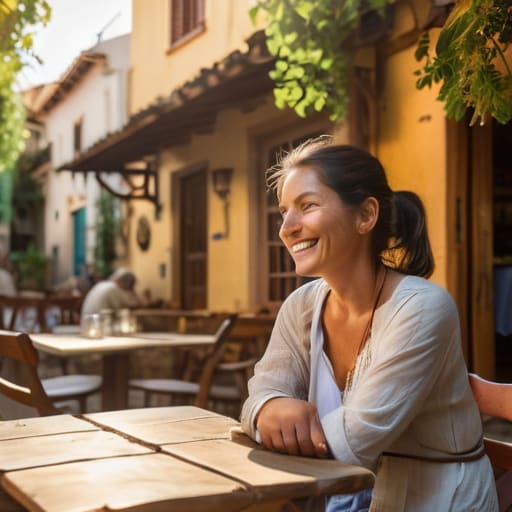

I remember sitting in a tiny, dimly lit bistro in Florence, the smell of espresso and old paper thick in the air, staring at the empty chair across from me. I had my “Monet” lens gripped tightly in my hands, desperate to capture the way the afternoon light hit the cobblestones, but my heart felt strangely heavy. I realized then that everyone tells you that solo travel is this grand, cinematic odyssey of self-discovery, but they rarely mention the quiet, hollow ache of having a breathtaking sunset to look at and no one to turn to. Learning how to travel alone without being lonely isn’t about forcing yourself into crowded hostel bars or pretending you’re a character in a high-octane adventure film; it’s about something much more subtle.
I’m not here to give you a checklist of tourist traps or tell you to join a massive tour group just to feel seen. Instead, I want to share the honest, messy, and beautiful ways I’ve learned to cultivate my own company. We’re going to talk about finding connection in the quiet spaces—through the lens of a camera, the pages of a book, or a fleeting conversation with a local baker—so you can move through the world with a sense of presence rather than isolation.
Overcoming Loneliness During Solo Trips Through Mindful Presence
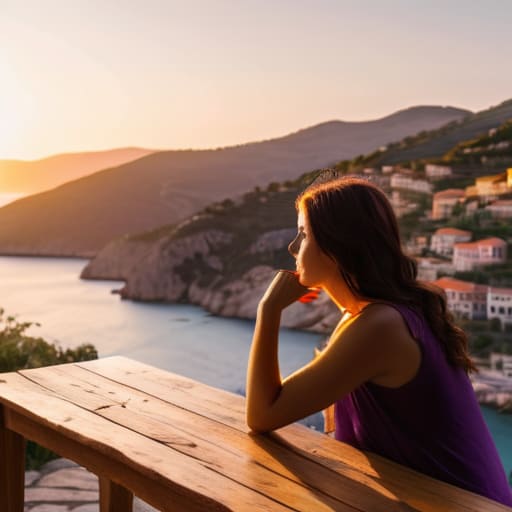
Sometimes, the hardest part isn’t the physical journey, but that sudden, heavy realization that you have no one to turn to when a sunset turns particularly breathtaking or a meal tastes unexpectedly divine. In those moments, I’ve found that leaning into the intentionality of your connections makes all the difference. If you find yourself feeling a bit untethered while navigating new landscapes, I often suggest looking here to find ways to ground yourself and bridge that gap between solitude and true connection. It’s about learning to transform that quiet ache into a soulful curiosity about the world and the people who inhabit it, rather than letting it become a wall that keeps you from truly seeing.
There’s a specific kind of magic that happens when you stop treating your surroundings like a checklist and start treating them like a living, breathing canvas. I remember sitting in a small, sun-drenched cafe in Lisbon last autumn, my “Monet” lens resting on the table, when I realized I had spent the last hour feeling a heavy sense of isolation. I was so busy trying to capture the scene that I wasn’t actually in it. I realized then that overcoming loneliness during solo trips isn’t about forcing yourself into a crowd; it’s about the quiet shift from being a spectator to being a participant in the moment.
When we practice mindful presence, the world stops feeling like a vast, empty space and starts feeling like a shared experience. Instead of scrolling through my phone to escape the silence, I began to notice the way the light hit the cobblestones and the rhythmic hum of the locals’ conversations. This awareness is one of the greatest benefits of solo travel for mental health, as it grounds you in the “now.” By simply being present—really, deeply present—you create an openness that naturally invites connection, making you far more approachable to the wonderful strangers you’ll inevitably meet along the way.
The Quiet Benefits of Solo Travel for Mental Health
There is a specific kind of magic that happens when the constant noise of expectations finally falls away. I often think of it like a long exposure shot; you have to let the shutter stay open for a while to truly see the light. When I’m navigating a new city by myself, I find that the silence isn’t an empty void, but rather a canvas. One of the most profound benefits of solo travel for mental health is this forced intimacy with your own thoughts. Without a companion to bounce ideas off of or a schedule to adhere to, you finally have the space to hear your own internal monologue, untangled from the influence of others.
It’s in these quiet intervals—sitting in a sun-drenched cafe in Florence or sketching a lonely pier in Maine—that I feel most restored. You begin to realize that solitude isn’t the same as isolation. In fact, leaning into the stillness often provides the mental clarity needed to return home with a renewed sense of self. By embracing these moments of being alone, you aren’t just escaping life; you are making sure that life doesn’t escape you.
Finding Your Rhythm: Five Ways to Stay Connected While Wandering Solo
- Seek out the “Third Places” of your destination. Instead of retreating to your hotel room after a long day of exploring, find a local bookstore, a cozy corner in a neighborhood cafe, or a small public library. There is a certain magic in being “alone together”—surrounded by the hum of life and the gentle presence of others without the pressure to perform or engage in forced conversation.
- Carry a physical sketchbook or a journal. Much like my urban sketching sessions in the park, having a tactile way to engage with your surroundings keeps you anchored. When you sit down to draw a street scene or write a quick observation, you aren’t just a passive observer; you become an active participant in the landscape, which makes the solitude feel intentional rather than empty.
- Embrace the “Single Seat” strategy. When dining out, don’t shy away from the bar or a small table by the window. I’ve found that the bar is often the heart of a restaurant’s social life; it’s the perfect vantage point to watch the choreography of the kitchen and, more importantly, it’s where the most natural, unscripted conversations with locals or fellow travelers tend to spark.
- Lean into the art of the slow stroll. We often feel lonely when we are rushing to hit every landmark on a list, feeling like a ghost passing through a city. By slowing down and walking without a strict itinerary—letting your curiosity guide you down an alleyway just because the light hits a brick wall beautifully—you begin to form a genuine, rhythmic relationship with the place itself.
- Join small-scale, interest-based gatherings. Rather than looking for massive tour groups, look for something niche—a local photography walk, a pottery workshop, or even a language exchange meetup. Connecting through a shared craft or curiosity is much more soulful than generic sightseeing; it allows you to meet people on a human level, sharing a moment of creation or learning rather than just a destination.
Finding Your Way Back to the Light
As we’ve explored, traveling solo doesn’t have to mean wandering through a world of shadows. By leaning into mindful presence, we transform those quiet gaps between landmarks into opportunities for profound self-reflection. We’ve seen how prioritizing mental health and embracing the stillness can turn a potentially isolating journey into a period of intense personal growth. Whether you are sitting in a sun-drenched cafe in Florence or sketching the rugged cliffs of my childhood home in Maine, remember that loneliness is often just a lack of connection—not to others, but to your own inner rhythm. When you master the art of being your own best companion, the world stops feeling vast and intimidating and starts feeling like a canvas waiting for your unique perspective.
Ultimately, I like to think of solo travel as a way of adjusting your focus, much like I do when I switch to my “Monet” lens to catch that soft, dappled afternoon light. It isn’t about avoiding the crowds or finding a way to disappear; it is about learning to see the beauty in the transient. There will be moments when the silence feels heavy, but please, don’t let that discourage you. Those are often the moments right before a breakthrough, the quiet breath before the shutter clicks. Step out into the world with an open heart and a curious eye, and I promise you, you will find that you are never truly alone when you are traveling toward a deeper version of yourself.