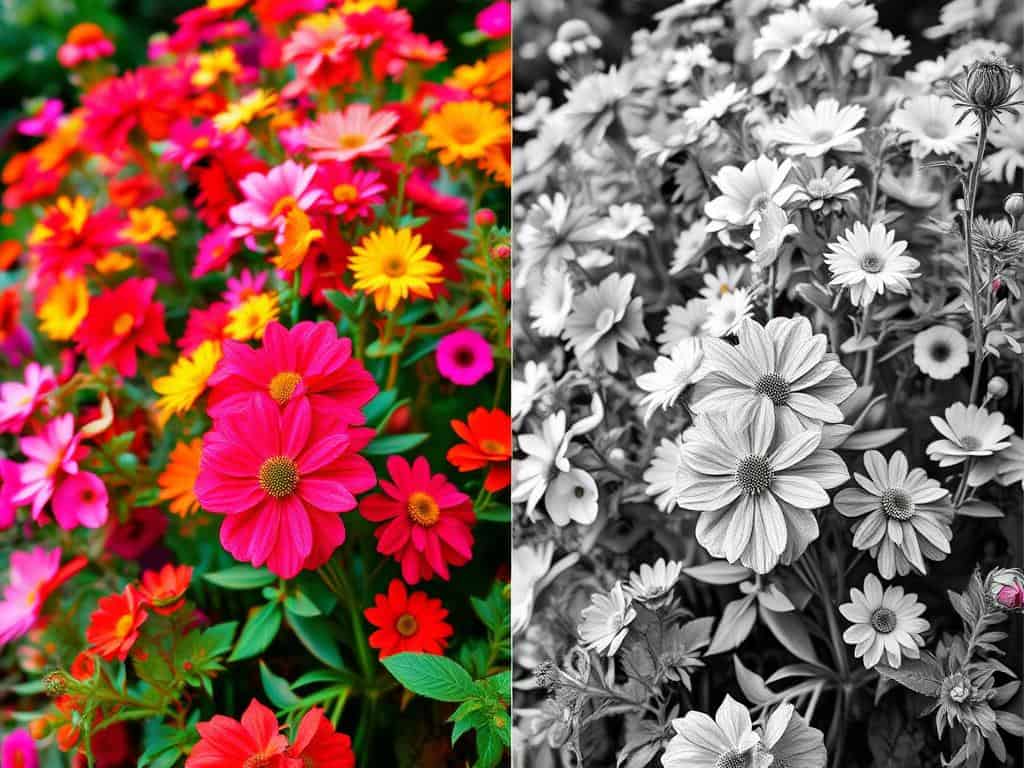

Did you know selective coloring has been a hit in photography for decades? It’s now more popular than ever in our digital world. People love using it because it lets them add color to parts of their photos while keeping others in black and white. This makes their photos stand out and sparks their creativity.
This guide will show you how to master selective coloring. You’ll learn its benefits and how to use it. You’ll find out how to pick the best images and use top photo editing tools. This way, you can turn simple photos into unforgettable memories.
Key Takeaways
- Selective coloring enhances visual impact by combining color and black and white edits.
- It encourages users to express their creativity and engage with photography.
- The technique can be executed manually or with auto-settings in popular software like Photoshop.
- Images featuring vibrant subjects against dull backgrounds achieve the most striking effects.
- A user-friendly experience is key, with features like soft and hard brushes for precise editing.
Understanding Selective Coloring
Selective coloring is a unique technique in photography. It combines black and white photography with bright colors. This highlights certain parts of an image, making them stand out.
It works by keeping some colors while turning others gray. This guides the viewer’s eye to the important parts of the photo.
What is Selective Coloring?
Selective coloring focuses on certain parts of an image. The rest turns gray. This creates a striking contrast that enhances the photo’s composition.
This technique is not just visually appealing. It also adds depth and meaning to the image, making the highlighted parts more noticeable.
Benefits of Selective Coloring
Using selective coloring in photo enhancement has many benefits. It grabs the viewer’s attention by making certain details pop. This increases interest in the image.
It also evokes stronger emotions by contrasting bright colors with gray. This makes the focal points more impactful. It allows photographers to turn everyday moments into art, guiding the viewer’s eye.
Selective Coloring Guide
In my journey with selective coloring, I found that it starts with picking the right image. I look for images with a bright subject against a dull background. Flowers or clothing that stands out are great choices. Then, I use photo editing tools to add amazing selective coloring effects.
Selecting the Right Image
Choosing the perfect image is key for selective coloring. I search for images with vibrant subjects against dull backgrounds. Bright colors or interesting patterns work best. This choice is important for applying color splash techniques well.
Using Photo Editing Tools
Once I have my images, I use tools like Adobe Lightroom and Photoshop. These tools help me get high-quality results and offer features like the Adjustment Brush. I set saturation to zero to remove colors and adjust specific hues with sliders. This way, I can highlight the desired elements and make the background striking black and white.
Common Techniques for Color Splash Effects
One technique I find very effective is using the brush method. I mask areas in red to show my selections before adjusting colors. Simple methods like layer masking and using the eraser tool are also useful. Some prefer filters in tools like Silver Efex Pro 2 for easier color isolation. The goal is to achieve subtle and appealing results, highlighting each image’s unique qualities.

Conclusion
Mastering selective coloring turns regular photos into eye-catching works of art. This technique lets me show my artistic side more clearly. I’ve seen how it can make my photos stand out and elevate my portfolio.
Getting it right means finding the right mix of color and black and white. Using top-notch editing tools is key to keeping my photos sharp. Being able to adjust my brushes freely makes editing a fun and rewarding process.
I encourage everyone to try selective coloring. With practice, you can find the beauty in this technique. It’s about making vibrant parts pop against calm backgrounds, like in nature. I’m excited to share my work and keep exploring with selective coloring.
