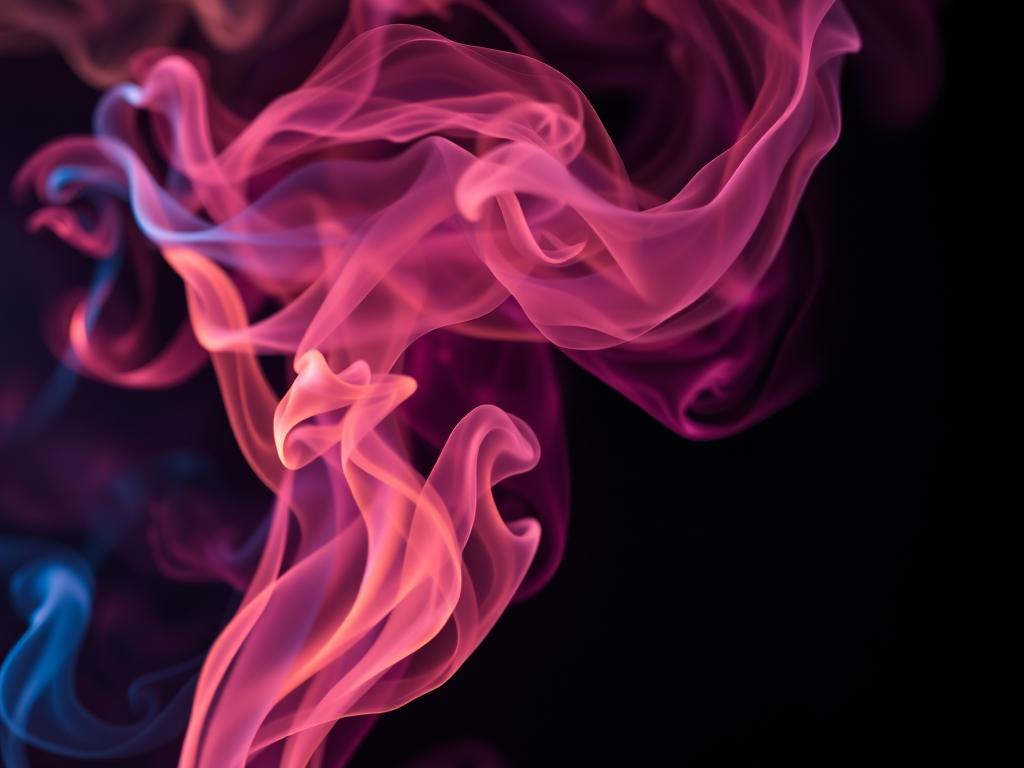

Did you know Enola Gaye’s smoke bombs only last about 20 seconds? Yet, they can create stunning images. In smoke photography, these brief moments can turn into amazing art. I’ll show you how to make these short-lived moments into beautiful photos, using incense sticks, smoke bombs, and more.
Starting your smoke photography journey means learning a few key things. You’ll need the right gear and know how to set up your camera. I’ll guide you through creative ideas and techniques to capture those unique, abstract shots. Imagine making any scene look extraordinary, full of fluid patterns and surreal visuals. Let’s explore the magical world of smoke photography together.
Key Takeaways
- Smoke bombs like Enola Gaye’s can emit smoke for 20 to 60 seconds, creating a brief window for spectacular images.
- Choosing the right camera and lens is key—think about the Canon EOS R5 with an RF 15-35mm f/2.8 lens.
- For the best shots, use a shutter speed of 1/500 sec or higher, ISO between 100-200, and an aperture of F/8 or higher.
- Manual focus is better than autofocus for capturing detailed smoke patterns.
- Creative smoke art can be enhanced with dynamic actions like jumping or dancing, along with good lighting.
Essential Gear for Smoke Photography
For those starting in smoke photography, the right photography gear is key. Knowing what each piece does can make your incense photography better and keep you safe. Let’s look at the must-have items for stunning smoke shots.
Cameras and Lenses
A top-notch camera and lens are a must. The Canon EOS R5 is a great choice for its clear images. Pair it with a wide-angle lens like the RF 15-35mm f/2.8 for wide smoke shots. Or, the Canon 50D with a Canon 50mm f/1.8 lens for sharpness.
Start with ISO 200, 1/60th second shutter speed, and f/9. For bright smoke, set the flash to 1/16th power. Make sure your camera sees the top 4 feet of smoke for the best look.
Smoke Bombs and Incense
Quality smoke bombs and incense are vital for incense photography. Enola Gaye smoke bombs are reliable and colorful. Even cheap incense can last a long time for photography.
Put the flash a few feet away, at a 90-degree angle to your camera. This makes the smoke’s patterns stand out against a dark background, making it more visible and striking.
Safety Equipment
When working with smoke, safety comes first. Always wear gloves and goggles. Have a metal bucket and water ready to put out smoke canisters. Following safety tips for photography keeps you safe from harm.
Tripod and Lighting Tools
A sturdy tripod and varied lighting are key for sharp, bright photos. A tripod keeps your camera steady, avoiding blurry photos. Use backdrops of at least 80×80 cm for standard shots and 50×80 cm for close-ups.
Try different colored filters on your flash for colorful smoke. Red and blue, or green and purple, work well. Don’t worry if the first 20 to 30 shots aren’t perfect. Keep trying until you get the shot you want.
Mastering Camera Settings
Getting the right camera settings is key to capturing smoke’s beauty. Knowing how aperture, shutter speed, and ISO work together is essential. It helps create clear, stunning images that show smoke’s mesmerizing movement.
Aperture, Shutter Speed, and ISO
To freeze smoke’s motion, use a shutter speed of at least 1/500 sec. This stops motion blur and keeps smoke details sharp. A balanced aperture, like f/8, ensures everything in the image is clear. Plus, a low ISO prevents noise and keeps details sharp.
These settings are perfect for creating large, print-worthy images up to 20×30 inches.
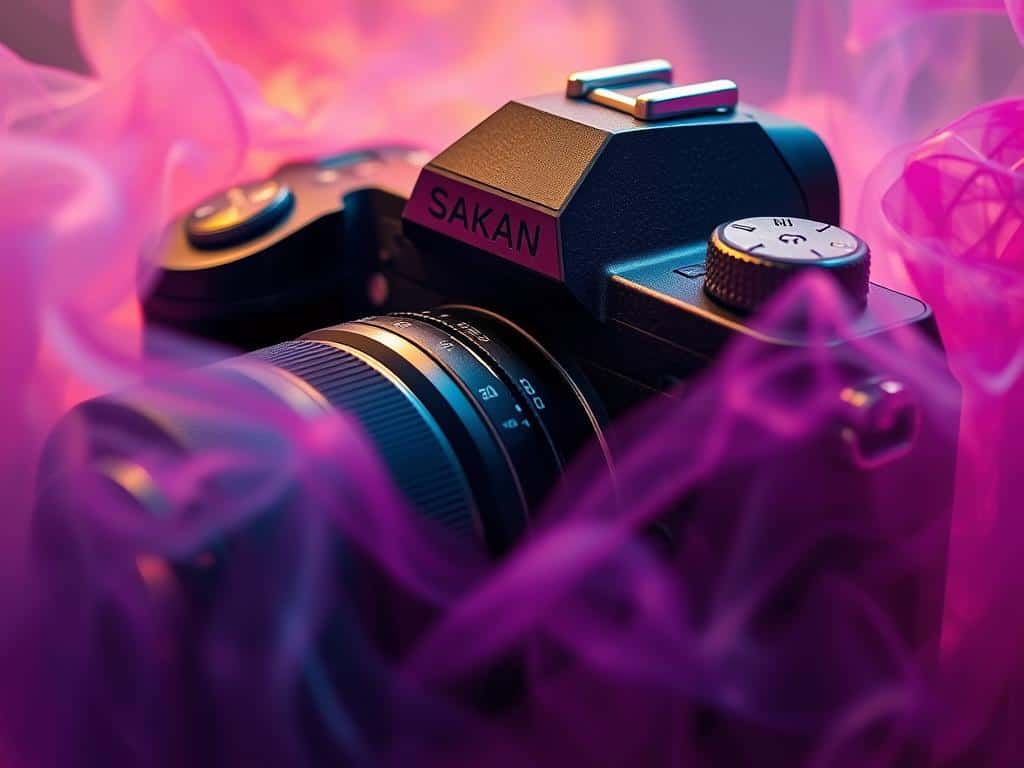
Manual vs. Auto Focus
Choosing between manual and autofocus is important in smoke photography. Manual settings give you more control over focus. This is key in a dark, dust-free space where light and dust can ruin your shot.
Aperture Priority Mode
Using aperture priority mode is great for managing depth of field. It lets the camera adjust shutter speed for you. This way, you can keep your aperture between f/4.0 and f/5.6 for sharp, detailed smoke images.
Creative Smoke Photography Ideas
Exploring creative smoke photography can make your shots more visually appealing. Using different techniques can turn ordinary smoke into art. It combines creativity with technical skill.
Color Theory and Composition
Using color theory and composition can elevate your smoke photography. Smoke bombs of different colors can create vibrant contrasts or harmonious blends. For example, a Canon 5D Mark IV with a 70-200mm f/2.8 IS II lens captures detailed colors in smoke.
This doesn’t just make your shots more interesting. It also guides the viewer’s eye, making the most of your creative smoke art.
Utilizing Backlighting and Side Lighting
Lighting is key in smoke photography. Backlighting highlights the smoke’s delicate swirls and curls. A strip box with a grid behind the smoke ensures even lighting.
Side lighting is better for detailed textures, adding depth to the image. It prevents a flat look that front lighting might cause. Use a 1/250th second shutter speed and ISO 200 to capture your dynamic smoke photography perfectly.
Adding Motion for Dynamic Shots
To make your smoke photography dynamic, add motion. This can be through a model interacting with the smoke or manually moving it. Motion adds energy and action to your photos.
Try using hand movements or fans to create unique patterns. This is effective indoors where you can control the environment. Smaller effects should also be captured indoors to avoid wind disrupting the smoke.
The beauty of this approach is that each motion brings a unique outcome. This makes every photo truly one-of-a-kind.
Conclusion
Mastering smoke photography is a journey that requires skill, creativity, and safety. It starts with choosing the right gear and ends with fine-tuning camera settings. Each step is important for creating stunning smoke shots.
Lighting is a key part of smoke photography. Backlighting with soft, focused light makes the smoke stand out. Using tools like narrow strip softboxes or photo snoots helps. Keeping flash power low lets you use a wide aperture for a blurry background.
Experimenting with shutter speeds and using incense sticks are great tips. Working in closed spaces adds to the atmosphere. Using multiple light sources can create amazing effects.
Photos often need post-processing to look their best. Tools like Adobe Photoshop or Lightroom are used to enhance images. Adjusting contrast, color temperature, and using dodging and burning can make a big difference.
Color grading can make smoke photos more engaging. It’s a key part of abstract photography. Capturing smoke shots is about combining technical skill with the beauty of smoke, opening up endless possibilities in photography.
