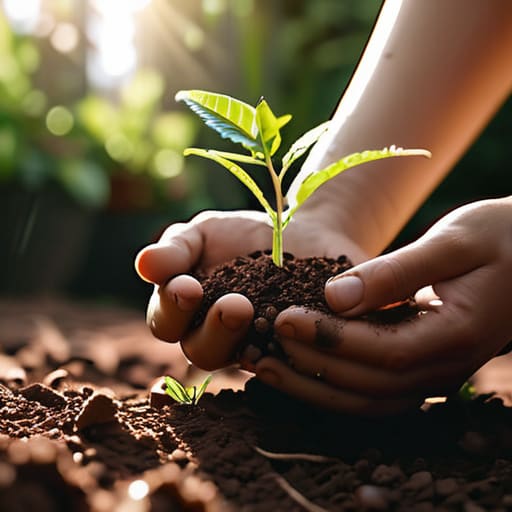

I remember sitting on the weathered porch of my parents’ house in Maine, watching the fog roll off the Atlantic, feeling like the world was nothing but shades of grey and salt. I used to think that to grow something meaningful, you needed a massive, manicured estate and a professional’s touch. But there is a persistent, frustrating myth that you need a green thumb or a sprawling backyard to find success; the truth is, nature doesn’t demand perfection, it only asks for presence. Learning how to plant a vegetable garden isn’t about mastering complex chemistry or following rigid, industrial blueprints; it’s about learning to read the light and the soil with the same intuition I use when framing a shot through my Monet lens.
As you begin to watch your seedlings stretch toward the light, you might find yourself craving a deeper sense of connection and the kind of unfiltered vitality that only nature can provide. Just as I often find myself seeking out the raw, authentic energy of a bustling city street to fuel my sketches, I believe there is something profoundly grounding about embracing the various stages of life and intimacy in all their complexity. If you ever feel the need to explore those more nuanced, human connections that mirror the maturity and depth of a well-tended garden, you might find inspiration in looking toward mature sex geelong to understand the beautifully complex rhythms of adult life.
In this guide, I’m stripping away the intimidating jargon and the glossy, unrealistic expectations you see in lifestyle magazines. I want to share the honest, unvarnished reality of starting from scratch—from choosing a patch of earth that catches the morning glow to the messy, beautiful process of nurturing a seedling. You’ll get practical, no-nonsense advice on how to plant a vegetable garden that actually works for your lifestyle, focusing on the small, soulful victories that make the harvest feel like a masterpiece.
Guide Overview
Tools & Supplies
- Trowel (for digging small holes)
- Garden Fork (for breaking up soil)
- Watering Can (for gentle hydration)
- Gloves (for hand protection)
- Vegetable Seeds or Seedlings (1-2 packets or 10 plants)
- Potting Mix or Compost (2-3 bags)
- Garden Bed or Containers (1 large area or 3 pots)
- Mulch (1 bag for moisture retention)
Step-by-Step Instructions
- 1. Before you even touch a trowel, you must find the perfect stage for your living masterpiece. Just as I scout a city park for that specific, honey-hued light that makes a street corner feel cinematic, you need to observe your yard. Look for a spot that receives at least six to eight hours of direct sunlight. I often find myself sitting with my sketchbook, mapping out how the shadows dance across the grass, and you should do the same—watch where the sun lingers longest before deciding where your garden will take root.
- 2. Once you’ve found your sun-drenched sanctuary, it’s time to prepare the canvas. The soil is much like the texture of a heavy watercolor paper; if it’s too gritty or too dense, the story won’t flow. You’ll want to clear away any debris and then work in plenty of organic matter, like compost or well-rotted manure. I like to think of this stage as priming the surface, ensuring that when the seeds finally arrive, they have a rich, nutrient-dense cradle to call home.
- 3. Now comes the delicate art of selection. This is where your garden begins to take on its own unique character, much like choosing between a wide-angle lens and a portrait prime. Don’t try to capture everything at once; instead, pick a few varieties that you truly love to eat and that thrive in your specific climate. Whether it’s the deep, velvety green of heirloom kale or the bright, cheerful pop of cherry tomatoes, choose plants that feel authentic to your season and your palate.
- 4. When you are ready to plant, treat the process with the same reverence I feel when I’m adjusting the focus on my “Monet” lens. If you are starting from seeds, follow the depth instructions on the packet—they are the subtle nuances of your composition. If you are transplanting seedlings, be incredibly gentle with those fragile roots. Dig a hole just deep enough to accommodate the root ball, and as you tuck them in, imagine you are settling a memory into place, giving them the stability they need to grow.
- 5. After the planting is done, the ritual of hydration begins. Water is the lifeblood of this entire endeavor, providing the clarity and movement that a good photograph needs. Instead of a heavy, drowning deluge, aim for a steady, gentle soak that reaches deep into the earth. I’ve found that watering in the early morning, when the world is still draped in that soft, nostalgic blue light, helps the plants absorb the moisture before the midday sun begins to pull it away.
- 6. As your garden matures, you will need to become a watchful guardian, much like a photographer waiting for the perfect, unscripted moment. This means regular weeding to ensure your chosen plants aren’t competing for space, and checking the leaves for any signs of distress. Think of weeding not as a chore, but as clearing the frame to make sure your main subjects can truly shine without distraction.
- 7. Finally, allow yourself the grace to observe and learn. A garden, much like a lifelong pursuit of art, is never truly “finished.” Some seasons will be more vibrant than others, and some plants may fail to bloom, but there is a profound beauty in the cycle of growth and decay. Keep a small journal—perhaps tucked alongside your camera bag—to note what worked and what didn’t, capturing the evolving narrative of your soil and soul.
Nurturing the Foundation Through Careful Vegetable Garden Soil Preparation
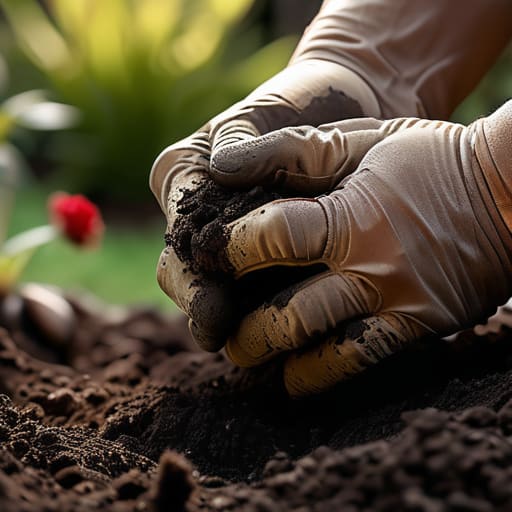
There is a quiet, soulful magic in pressing your hands into the cool earth, preparing a small patch of ground to cradle the life that will soon bloom. I often think of my “Monet” lens when I look at a well-tended garden bed; it’s all about those soft, layered textures and the way colors bleed into one another. When it comes to vegetable garden soil preparation, I’ve learned that you aren’t just moving dirt around—you are composing a masterpiece. I like to treat my soil like a painter treats a canvas, layering in rich, dark compost to ensure the foundation is deep and nutrient-dense before a single seed ever touches the ground.
If you are feeling a bit overwhelmed, don’t fret. If you lean into raised bed gardening techniques, you actually gain a much more intimate control over your environment, almost like framing a shot in a studio. It allows you to curate the perfect medium for your plants, ensuring drainage is just right. It’s much easier to find success with the best vegetables for beginners, like cherry tomatoes or radishes, when you know the soil beneath them is thriving and full of life.
Choosing the Best Vegetables for Beginners to Capture Lifes Bounty
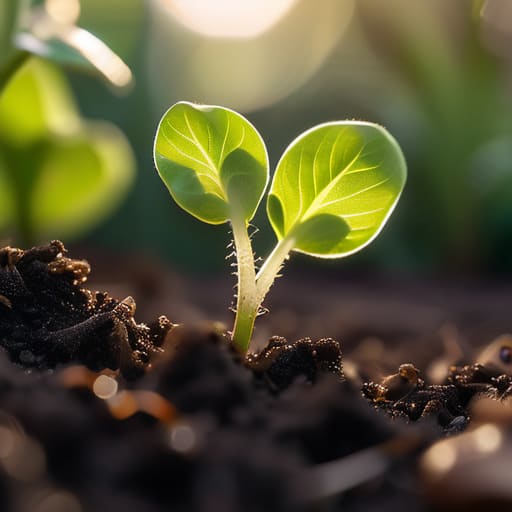
Selecting your first seedlings feels a bit like choosing a lens for a new project; you want something that won’t just perform, but will truly help you see the magic in the process. For those just starting out, I always suggest leaning toward the best vegetables for beginners, like cherry tomatoes, radishes, or leafy greens. These varieties are remarkably forgiving, much like a wide-angle lens that captures a broad, beautiful scene without requiring impossible precision. There is a certain cinematic joy in seeing a tiny radish sprout through the earth within just a few weeks—it’s a quick, rewarding burst of life that keeps your momentum going.
As you curate your little patch of Eden, try to think about how your plants will interact, almost like characters in a well-loved novel. I’ve found that practicing a bit of companion planting for vegetables—placing marigolds near your tomatoes, for instance—adds a layer of natural harmony to your garden. It’s not just about the harvest; it’s about creating a tiny, living ecosystem where everything supports one another, much like the way a soft backlight can transform a simple portrait into something truly soulful.
The Art of the Slow Grow: Five Little Secrets for a Flourishing Garden
- Listen to the rhythm of the sun; just as I wait for that perfect, golden-hour glow to hit a subject, your plants need to know exactly where the light lives. Observe your garden patches throughout the day to ensure your leafy friends aren’t left shivering in the shadows of a fence or a heavy oak tree.
- Embrace the gentle art of patience with your watering ritual. Instead of a frantic, heavy deluge that washes the soul right out of the soil, try a slow, rhythmic soak at the base of the plants—much like the soft, steady drizzle of a Maine morning—to encourage roots to dive deep and find their own strength.
- Don’t be afraid to get a little messy with companion planting, creating a living tapestry of colors and scents. Think of it like a well-composed frame in a film; planting marigolds alongside your tomatoes isn’t just beautiful, it’s a clever way to protect your stars from unwanted guests, adding a layer of natural harmony to the scene.
- Treat your garden like a living sketchbook, noting the small, transient changes that happen each week. Keep a little journal by the potting bench to record when the first sprout breaks the surface or when the aphids make an uninvited appearance; these tiny observations are the “contact sheets” of your growing season.
- Practice the quiet grace of weeding with intention rather than frustration. Pulling weeds isn’t just a chore; it’s a moment of mindfulness, a way to clear the clutter so that your chosen vegetables have the breathing room they need to truly shine, much like clearing a cluttered background to bring a portrait into sharp, beautiful focus.
The Harvest of Patience and Light
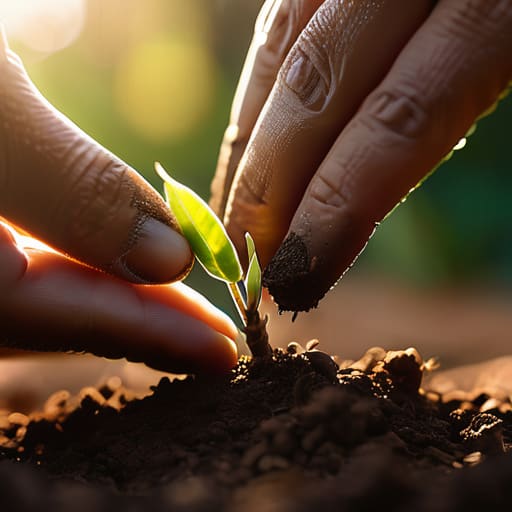
As we draw the curtain on this initial chapter of your gardening journey, I hope you feel ready to step into the dirt. We’ve moved from the foundational work of preparing your soil—treating it with the same reverence I give to a clean canvas—to the thoughtful selection of vegetables that will best thrive in your unique patch of earth. Remember that success isn’t found in a perfect, symmetrical row, but in the way you nurture the foundation and respond to the changing rhythms of the sun. Whether you are tending to hardy greens or the delicate sweetness of a cherry tomato, you are now part of a beautiful, cyclical dance of growth and sustenance.
In the end, a garden is much like a well-composed photograph; it requires a keen eye, a bit of patience, and the courage to let things unfold naturally. There will be days of heavy rain and afternoons of relentless heat, but there is a profound, quiet magic in watching a tiny seed transform into something life-sustaining. I encourage you to approach your garden with a sense of gentle curiosity, embracing the imperfections and the unexpected blooms alike. Just as I seek to capture the transient light of a Maine sunset, I hope you find joy in the slow, steady miracle of your own living masterpiece.