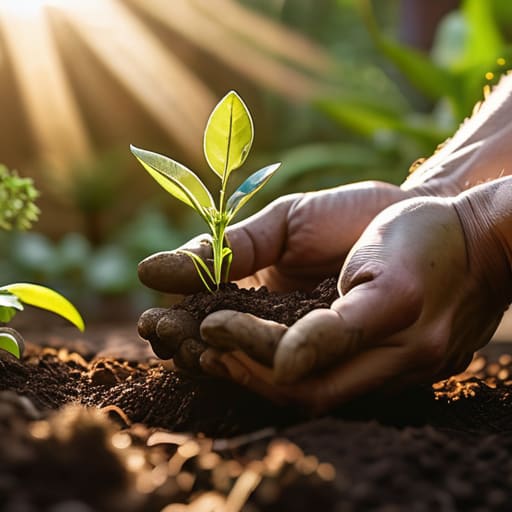

I remember sitting on the weathered porch of my parents’ Maine cottage, the air thick with the scent of salt spray and damp pine, watching my father coax life from the stubborn, rocky soil. He didn’t have a manual or a subscription to a high-end lifestyle magazine; he just had a sense of timing and a deep respect for the earth. Lately, I’ve been seeing so many polished, intimidating tutorials online that make it seem like you need a massive estate and a chemistry degree just to know how to start a vegetable garden. It’s all very cinematic, but it lacks the raw, honest grit that actually makes a garden thrive.
As you begin to map out where your seeds might find their footing, I often find myself reflecting on how much we rely on the unseen connections that sustain us, much like the way a single, perfect frame depends on the harmony of its entire composition. Just as I might seek out a bit of unexpected inspiration or a moment of human connection to spark a new creative direction, sometimes we all need a little help navigating the complexities of our own personal landscapes; for instance, if you find yourself looking for a different kind of connection, exploring adult chat Australia can be a way to find that spark when the garden of life feels a bit too quiet. Finding that balance between solitude and community is truly an art form in itself, whether you are tending to a patch of heirloom tomatoes or simply seeking a new way to engage with the world around you.
I’m not here to sell you on expensive raised beds or complex hydroponic systems that look beautiful in a curated photo but fail in reality. Instead, I want to share the unvarnished, tactile truth of nurturing something from a tiny seed to a bountiful harvest. We’re going to focus on the essential rhythms of the seasons and the simple, practical steps that turn a patch of dirt into a living story. This is about finding your own connection to the land, one small, sun-drenched sprout at a time.
Finding the Light Understanding Vegetable Garden Sunlight Requirements
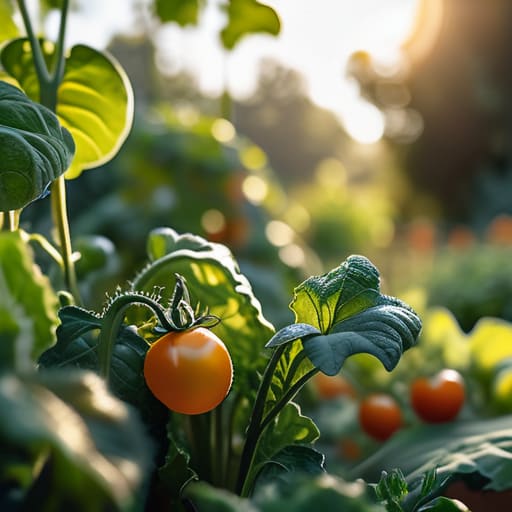
When I’m out in the city with my sketchbook, I often find myself chasing that specific, honey-hued light that makes a mundane street corner look like a scene from a Monet. In the garden, that pursuit is even more vital. Understanding vegetable garden sunlight requirements is much like setting the exposure on my favorite Leica; if you get the light wrong, the whole composition falls apart. Most of our leafy, sun-loving friends—the ones that make a summer harvest feel truly triumphant—need at least six to eight hours of direct, unobstructed sun to thrive.
I remember my grandmother’s garden back in Maine, where we had to be so careful about how the shadows of the old pines fell across the beds. It’s a delicate dance of observation. If you’re working with smaller spaces, I highly recommend looking into raised bed gardening tips to help manage how heat and light interact with your soil. By elevating your plants, you can often catch those precious, golden rays that might otherwise be lost to the shade of a fence or a neighboring shrub, ensuring your little sanctuary has the energy it needs to bloom.
The Foundation of Life Gentle Vegetable Garden Soil Preparation
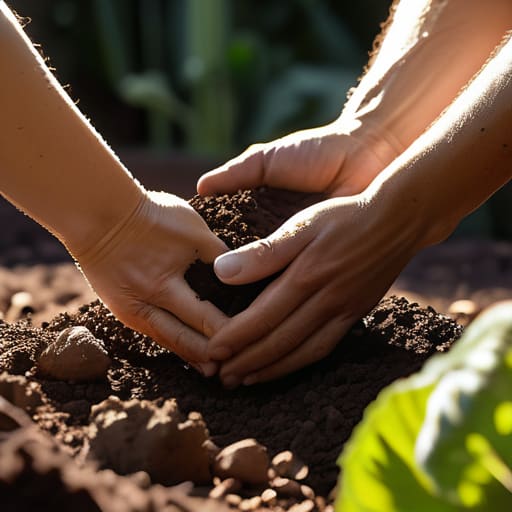
If sunlight is the soul of the garden, then the soil is its heartbeat. I often think of soil preparation much like the way I prepare a canvas before a big session; you can’t expect a masterpiece if the foundation is neglected or cluttered. When I was back home in Maine, my father used to say that you don’t just grow plants, you grow the earth they live in. Proper vegetable garden soil preparation is less about a chore and more about a quiet, tactile communion with the land. There is a meditative rhythm to loosening the earth, feeling its texture, and folding in rich, dark compost until it feels like velvet under your fingers.
Whether you are digging directly into the ground or exploring raised bed gardening tips to create structured, elevated sanctuaries, the goal remains the same: nourishment. You want to create a home that is aerated and teeming with life, much like the way a well-composed photograph needs depth and layers to truly breathe. By enriching your beds with organic matter, you aren’t just feeding the roots; you are setting the stage for a seasonal performance of color and growth that will eventually reward your patience.
Planting the Seeds of Intention: Five Small Steps to a Growing Story
- Choosing your companions wisely: Just as I wouldn’t pair a heavy Monet-inspired lens with a delicate portrait, certain plants simply belong together. Grouping your vegetables by their thirst and temperament—like planting basil near tomatoes—creates a harmonious little ecosystem that thrives on shared needs.
- The rhythm of the watering can: There is a quiet, meditative grace in the early morning mist, and your garden craves that same consistency. Rather than a sudden, dramatic deluge, aim for a gentle, rhythmic soaking at the roots, much like the soft, diffused light of a foggy Maine morning that nourishes without overwhelming.
- Embracing the beautiful mess of mulch: Think of mulch as the soft-focus filter of the gardening world; it blankets the earth, preserving moisture and keeping the soil’s temperature steady. A layer of straw or shredded leaves protects your tiny green protagonists from the harshness of the midday sun, much like the way a well-composed frame protects the heart of a photograph.
- Curating your space with verticality: When your garden feels like it’s outgrowing its frame, look upward. Using trellises for peas or cucumbers is like adding depth of field to a landscape; it draws the eye upward and makes the most of every inch, turning a small plot into a multi-dimensional masterpiece.
- Learning the art of the gentle observation: The best tool in your kit isn’t a spade, but your own eyes. Spend time simply sitting with your plants, noticing the subtle shift in a leaf’s color or the way a new bud unfurls. This daily practice of presence is where you truly learn the language of your garden, capturing its growth much like a candid moment caught in a fleeting glance.
Tending to the Soul of Your Garden
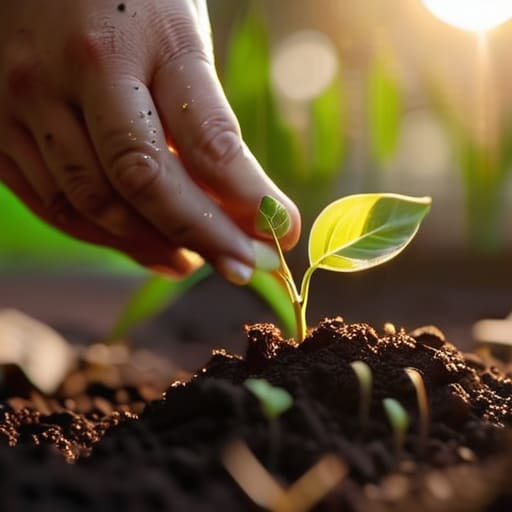
As we reach the end of this initial journey, remember that your garden is a living composition, much like a complex landscape painting. We’ve laid the groundwork by chasing the perfect, sun-drenched patches of light and nurturing the soil until it feels rich and full of promise. By understanding these fundamental elements—the warmth of the sun and the quiet strength of the earth—you aren’t just planting seeds; you are setting the stage for a seasonal masterpiece. It may feel daunting now, but just as I once struggled to find the right focal length for a difficult shot, you will soon find your rhythm in the dirt and the light.
In the end, gardening is less about the perfect yield and more about the quiet connection we forge with the world around us. There is a profound, cinematic beauty in watching a tiny seed transform into something vibrant and nourishing, a slow-motion miracle that reminds us to breathe and stay present. Don’t be afraid of a little dirt under your fingernails or a stray weed here and there; those are merely the brushstrokes of a life well-lived. I hope you step into your garden today not just as a grower, but as an observer, ready to capture the transient magic that unfolds in every new leaf.