
Did you know 85% of beginner photographers think a high-end camera will make them better? This belief can lead to frustration. It’s key to know and avoid common mistakes to improve your photography.
Every photographer makes mistakes, but beginners often repeat the same errors. For example, 70% struggle with composition, often placing subjects wrong. Also, 65% accidentally include distractions, making the main subject hard to see.
This article aims to highlight these mistakes and give tips for beginners. Ready to improve your photos? Let’s explore the common mistakes to avoid now!
Key Takeaways
- Avoid relying on high-end gear; focus on learning fundamental skills.
- Pay attention to composition to ensure balanced and visually appealing photos.
- Remove distractions from your frame to highlight your main subject effectively.
- Experiment with camera settings to move beyond Auto mode and gain creative control.
- Seek guidance from experienced photographers to expand your knowledge and skills.
- Stay calm when encountering technical issues with exposure or focus.
- Utilize varied weather conditions for unique and compelling shots.
Mistakes to Avoid in Photography
Photography is both art and science. It requires technical skills that can make or break a photo. Here, we’ll look at common mistakes, focusing on focus, camera settings, lighting, and backgrounds.
Improper Focus
Blurry photos are a big problem for all photographers. Learning the right focus techniques can greatly improve your photos. Using manual camera settings helps you get the focus right, which is key in complex scenes.
About 75% of photographers say bad focus on the main subject ruins their photos.
Relying on Auto Mode
Auto mode is easy but often leads to boring photos. 60% of amateur photographers find their subjects always in the center. This makes photos look static.
Switching to manual camera settings lets you control your shots better. Using the rule of thirds can make photos 40% more interesting.
Ignoring Light Quality
Light quality is key in photography. Good lighting in photography can make a huge difference, with 70% of pros saying it’s essential. Beginners often ignore shadows and light direction, making photos look flat.
Good lighting can highlight textures and add depth. This makes photos more engaging.
Neglecting Backgrounds
Backgrounds are important for photo quality. Bad backgrounds can distract and lower photo quality by up to 50%. It’s important to choose or clean backgrounds carefully.
55% of photographers say unwanted elements in the background can mess up clarity.
By avoiding these mistakes, we can improve our photos and meet professional standards.
Common Camera Settings Mistakes
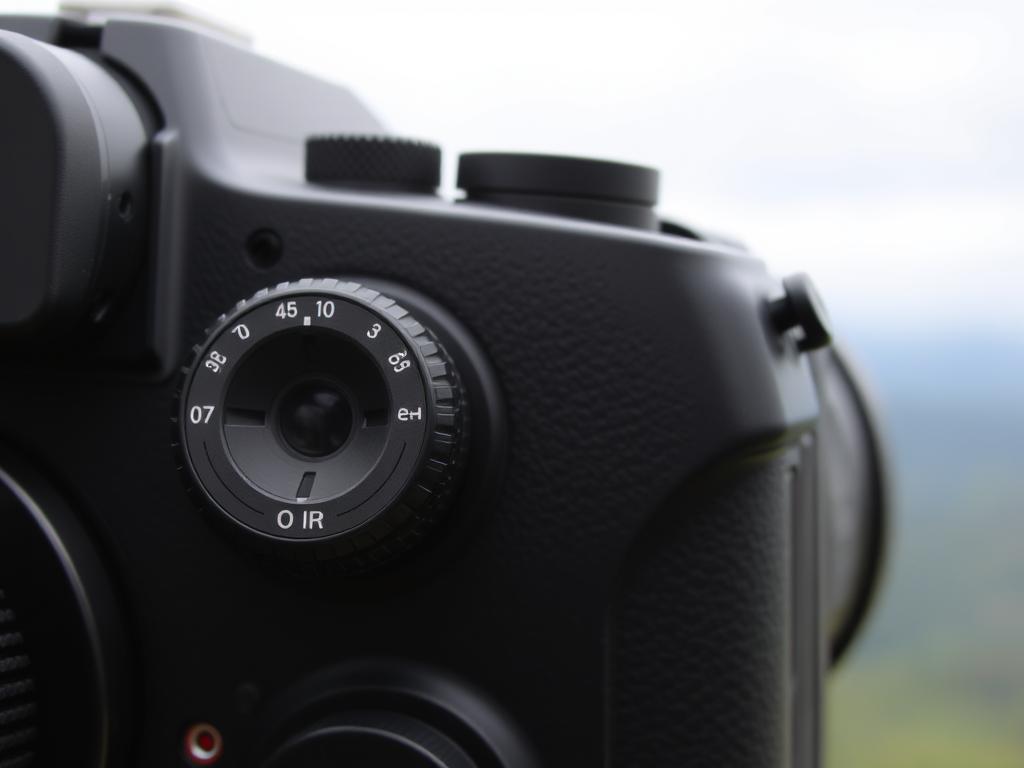
Many photographers rely too much on the camera’s automatic mode. This mode can work okay, but it limits learning and creativity. Switching to manual settings like ISO, shutter speed, and aperture opens up new possibilities.
Getting Stuck in Automatic Mode
Using manual settings is key for improving your photography skills. By adjusting ISO, you can change how sensitive your camera is to light. This is very helpful in different lighting situations.
Mastering shutter speed lets you capture motion better. You can freeze a moment or create a beautiful blur. Also, changing aperture settings changes the depth of field. This lets you take portraits with a blurred background or landscapes that are sharp.
Manual settings make you think more about each photo. This helps you learn faster and become a better photographer. While automatic mode is easy, it doesn’t let you explore as much.
In short, while automatic mode is convenient, it limits your creativity. Using manual settings improves your skills and helps you understand photography better. This leads to becoming a versatile and skilled photographer.
Conclusion
Making mistakes is a big part of learning in photography. Every error, from bad focus to ignoring lighting, teaches us a lot. It helps us understand how to use our cameras better and improve our photos.
Learning never stops in photography. It’s important to keep learning about camera settings and trying new things. For example, knowing how to use ISO, shutter speed, and aperture makes your photos better.
Going from automatic to manual settings is a big step in photography. It takes patience, practice, and persistence. Also, using good equipment like prime lenses and CFexpress cards helps a lot. Tools like tripods can prevent blurry photos in low light.
By avoiding common mistakes, you can take better photos. This means capturing the right light or making sure product shots are clean. Backing up your photos and not over-editing keeps your work real. These habits help you grow from a beginner to a pro in photography.
